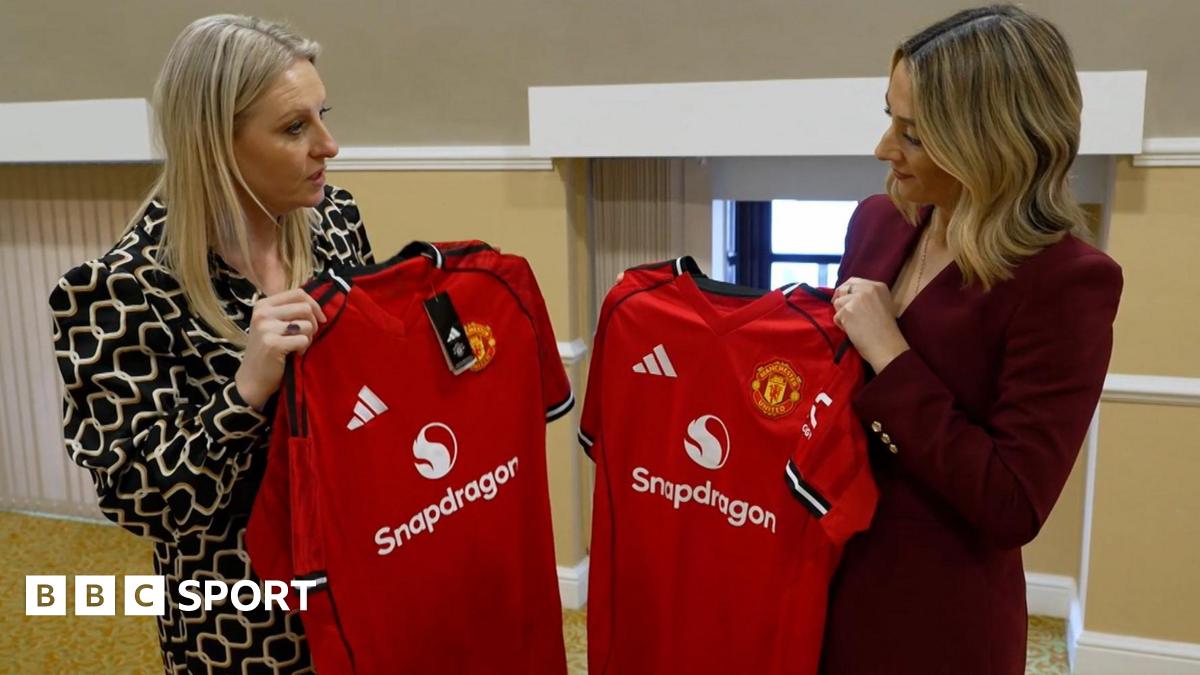
The Hidden Dangers of Fake Football Kits: A Thorough Guide
The allure of a bargain is strong, especially during the holiday season. But when it comes to football kits – jerseys, shorts, and socks – that seemingly unbelievable deal could come with hidden costs. While a genuine Manchester United shirt might set you back around £85, a counterfeit version can be found for as little as £15. But beyond the financial savings, are fake football kits truly worth the risk? This article delves into the concerning world of counterfeit sportswear, exploring the potential health hazards, the origins of these fakes, and how to protect yourself and your family.
The Growing Problem of Counterfeit Kits
Counterfeit football kits aren’t new, but experts are increasingly worried. The rise in the cost of living, coupled with the pressure to provide for loved ones, makes cheaper alternatives more tempting. However, this temptation can lead to unknowingly exposing yourself and your children to possibly harmful materials.
Louise Baxter-Scott of Trading Standards warns, “We just don’t know what’s in these kits – they could pose a health risk.” The problem isn’t just about inferior quality; it’s about a complete lack of regulation and oversight.
Potential Health Risks: What’s Lurking in Your Fake Jersey?
The materials used in counterfeit kits are often substandard and unregulated. This raises serious concerns about potential health implications. Here’s what you need to know:
* Skin Irritation: Chloe Long, deputy director general at the Anti-Counterfeiting Group, explains that wearing a fake kit could cause a rash or other skin irritation.
* Harmful Toxins & Dyes: More significantly,counterfeit manufacturers may use risky toxins and dyes to mimic the appearance of authentic sportswear. These substances can be absorbed through the skin.
* Washing Machine Risks: Washing a fake kit with other clothes can spread these harmful chemicals, contaminating your entire laundry load.
* Increased Risk for Children: Children are particularly vulnerable due to their more sensitive skin and tendency to put things in their mouths.
While definitively identifying the presence of toxins retrospectively is difficult, the lack of quality control is a major red flag. Counterfeiters prioritize profit above all else, cutting corners wherever possible.
The Supply Chain: Where Do These Fakes Come From?
investigations by organizations like the Anti-Counterfeiting Group often trace the origins of counterfeit goods back to factories in China. These factories operate outside the bounds of international safety regulations and intellectual property laws.
The counterfeiters have “no morals, no standards,” according to Long. “The only thing they are motivated by is price.” They will use whatever materials are cheapest and most readily available, regardless of the potential consequences.
How to Spot a Fake Football Kit
Protecting yourself requires vigilance. Here are some key indicators that a football kit might be counterfeit:
* Price: If the price seems too good to be true, it probably is. Genuine kits rarely go on deep discount.
* Quality of Materials: Compare the feel of the fabric to a known authentic kit. Counterfeits often feel rough, thin, or plasticky.
* Stitching: Examine the stitching closely. Authentic kits have neat, precise stitching. Counterfeits often have uneven or loose stitching.
* Logos & Branding: Check for misspellings, blurry logos, or inconsistencies in branding.
* Tags & Labels: Authentic kits have high-quality tags and labels with accurate facts. Counterfeits frequently enough have poorly printed or missing tags.
* Packaging: Genuine kits come in branded packaging. Counterfeits may be shipped in plain packaging.
Beyond Health: The Wider Impact of Counterfeiting
The issue extends beyond personal health. Buying counterfeit goods supports illegal activities and harms legitimate businesses. It also contributes to:
* Loss of Revenue for Sports Clubs: Counterfeiting deprives clubs of vital revenue that supports youth development and player training.
* Exploitation of Workers: Counterfeit factories often operate in unsafe conditions and exploit workers.
* Funding of Criminal Networks: The profits from counterfeiting can be used to fund other criminal activities.
Evergreen Insights: The Long-Term fight Against Fakes
The battle against counterfeit goods is ongoing. technological advancements, like blockchain and improved tracking systems, are being explored to

![Diabetes & Stent Surgery: Increased Complication Risk? | [Year] Update](https://i0.wp.com/scx2.b-cdn.net/gfx/news/hires/2023/heart-surgery-4.jpg?resize=150%2C150&ssl=1 "Diabetes & Stent Surgery: Increased Complication Risk? | [Year] Update")