Rising Financial Losses from Fake Online Shops in Thuringia
Consumers in Thuringia, Germany, are increasingly falling victim to fraudulent online retailers, resulting in significant financial losses. Recent data indicates that approximately €600,000 was lost to so-called “fake shops” in the past year, a figure only slightly lower than the roughly €650,000 reported in 2024. While the overall financial damage remains consistently high, authorities have observed a concerning trend: a decrease in the number of reported incidents coupled with an increase in the average loss per victim, suggesting more sophisticated scams and larger sums of money being stolen. This rise in online fraud underscores the growing need for vigilance and consumer education in the digital marketplace.
The proliferation of fake online shops poses a serious threat to consumers, mimicking legitimate businesses to deceive individuals into purchasing goods that are either never delivered or are counterfeit. These websites often appear professional and convincing, making it hard for even experienced online shoppers to distinguish them from authentic retailers. Consumers frequently stumble upon these fraudulent sites through search engine results, highlighting the challenge of identifying malicious actors online. The CDU-Landtagsfraktion in Thuringia has been actively raising awareness about this issue, prompting the release of data from the state’s Interior Ministry regarding the extent of the problem. The CDU Thuringia has emphasized the need for stronger measures to protect consumers from these scams.
The Evolving Tactics of Online Fraudsters
Fake shops operate by creating websites that closely resemble those of well-known brands or retailers. Customers place orders and make payments, often through seemingly secure channels, only to find that their purchases never arrive or that they receive substandard, counterfeit products. The sophistication of these operations is increasing, with fraudsters employing advanced website design, realistic product descriptions, and even fake customer reviews to build trust and lure unsuspecting shoppers. This makes it increasingly difficult for consumers to identify fraudulent websites before making a purchase.
According to data from the Thuringian Interior Ministry, the number of reported cases of fake shop fraud has decreased from approximately 1,400 in 2021 to around 700 in 2025. However, this decline in case numbers is accompanied by a rise in the average financial loss per incident. In 2021, the total reported damage was around €500,000, while in 2023, it dipped to approximately €365,000, before rising again to nearly €600,000 in 2025. This suggests that while fewer people may be falling victim to these scams, those who do are losing significantly more money. The ministry notes that data prior to 2021 was not statistically tracked, making it difficult to assess long-term trends.
Challenges in Law Enforcement and Prosecution
One of the primary challenges in combating fake shop fraud is the difficulty in tracking down and prosecuting the perpetrators. These operations are often based outside of Germany, making it challenging for law enforcement agencies to investigate and pursue legal action. The use of anonymous payment methods and complex online infrastructure can obscure the identities of those involved. The Thuringian authorities emphasize that prevention and consumer awareness are crucial in mitigating the risks associated with these scams.
The CDU-Landtagsfraktion has been vocal in its criticism of the ongoing financial damage caused by fake shops and has called for increased efforts to protect consumers. Andreas Bühl, the chairman of the CDU-Landtagsfraktion, recently commented on the rising energy prices, demonstrating the party’s focus on economic issues affecting citizens of Thuringia. The CDU’s website details their ongoing work in addressing economic concerns within the region.
Protecting Yourself from Fake Online Shops
Given the increasing sophistication of fake online shops, it is essential for consumers to take proactive steps to protect themselves. Here are some key measures to consider:
- Verify the Website’s Authenticity: Before making a purchase, carefully examine the website’s URL and look for any inconsistencies or suspicious characters. Check for a valid SSL certificate (indicated by “https” in the address bar) to ensure that your connection is secure.
- Research the Seller: Search online for reviews and complaints about the seller. Look for independent sources of information, such as consumer protection websites and forums.
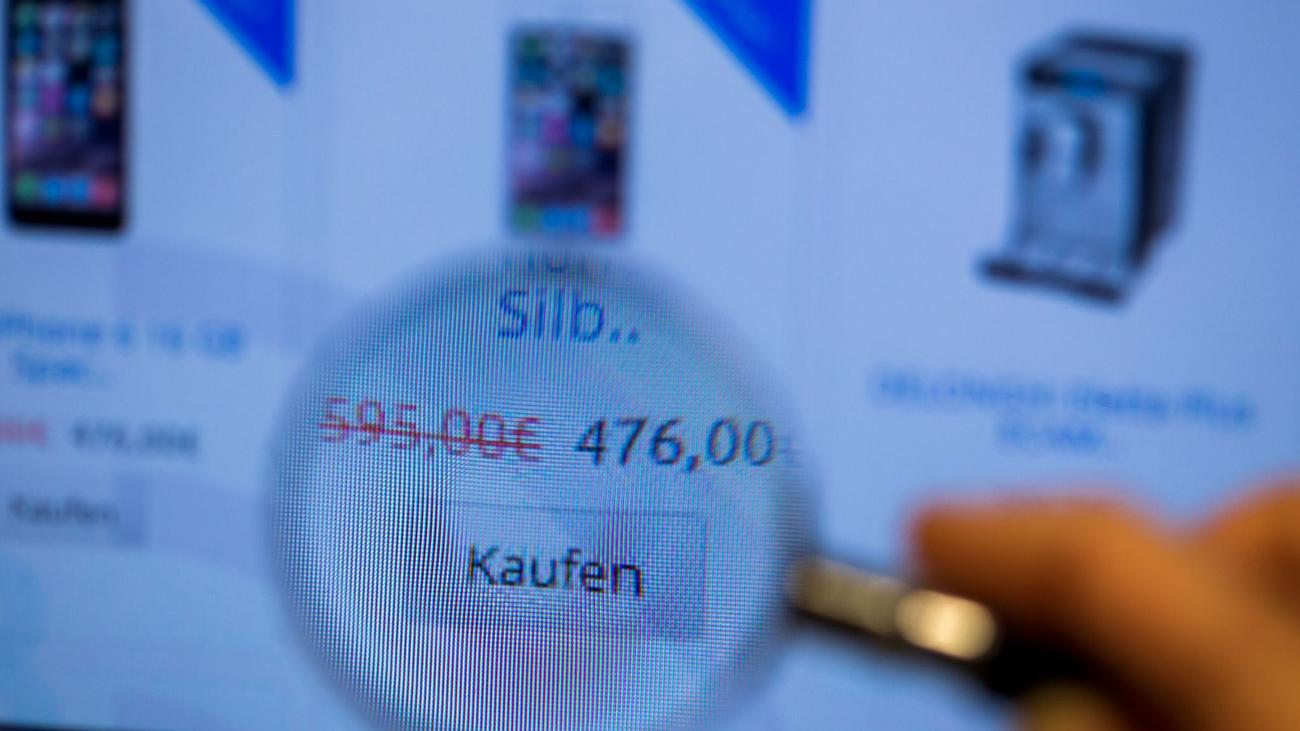
- Be Wary of Unusually Low Prices: If a deal seems too good to be true, it probably is. Fake shops often lure customers with significantly discounted prices to entice them into making a purchase.
- Use Secure Payment Methods: Avoid using direct bank transfers or other payment methods that do not offer buyer protection. Credit cards and PayPal typically provide more robust fraud protection mechanisms.
- Read the Terms and Conditions: Carefully review the website’s terms and conditions before making a purchase. Pay attention to the return policy, shipping information, and contact details.
- Trust Your Instincts: If something feels off about a website or a deal, trust your gut and avoid making a purchase.
Resources for Reporting Fraud and Seeking Assistance
If you believe you have been a victim of a fake online shop, it is important to report the incident to the appropriate authorities. In Thuringia, you can contact the local police department or the consumer protection agency, the Thüringer Ministerium für Inneres und Kommunales. You can also file a complaint with the European Consumer Centre Network, which provides assistance to consumers who have been defrauded by online retailers based in other European countries.
The police and consumer protection agencies regularly publish information about common fraud schemes and provide tips for safe online shopping. Staying informed about these threats is crucial for protecting yourself from becoming a victim. The increasing prevalence of fake shops highlights the need for ongoing vigilance and a proactive approach to online security.
Key Takeaways
- Financial losses from fake online shops in Thuringia remain high, totaling approximately €600,000 in the past year.
- While the number of reported cases has decreased, the average financial loss per victim has increased, indicating more sophisticated scams.
- Law enforcement faces challenges in tracking down and prosecuting perpetrators due to the international nature of these operations.
- Consumers can protect themselves by verifying website authenticity, researching sellers, and using secure payment methods.
- Reporting fraud to the authorities and staying informed about common scams are crucial steps in mitigating the risks.
As online shopping continues to grow in popularity, the threat of fake online shops is likely to persist. Consumers must remain vigilant and take proactive steps to protect themselves from these fraudulent schemes. Authorities will continue to work to combat these crimes, but consumer awareness and caution are the most effective defenses. The Thuringian Interior Ministry is expected to release updated data on online fraud trends in the coming months, providing further insights into the evolving landscape of cybercrime.
What are your experiences with online shopping safety? Share your thoughts and tips in the comments below, and please share this article with your friends and family to support raise awareness about the dangers of fake online shops.
Keep reading