
Japanese tea industry regulators and media outlets have identified a significant rise in products falsely labeled as “Uji Matcha,” prompting concerns over the protection of geographical indications and consumer trust. While authentic matcha from the Uji region in Kyoto Prefecture follows strict traditional cultivation and processing standards, investigations have revealed that numerous products sold in international markets, particularly those originating from Chinese manufacturers, utilize the “Uji” designation without authorization from the relevant Japanese trade associations.
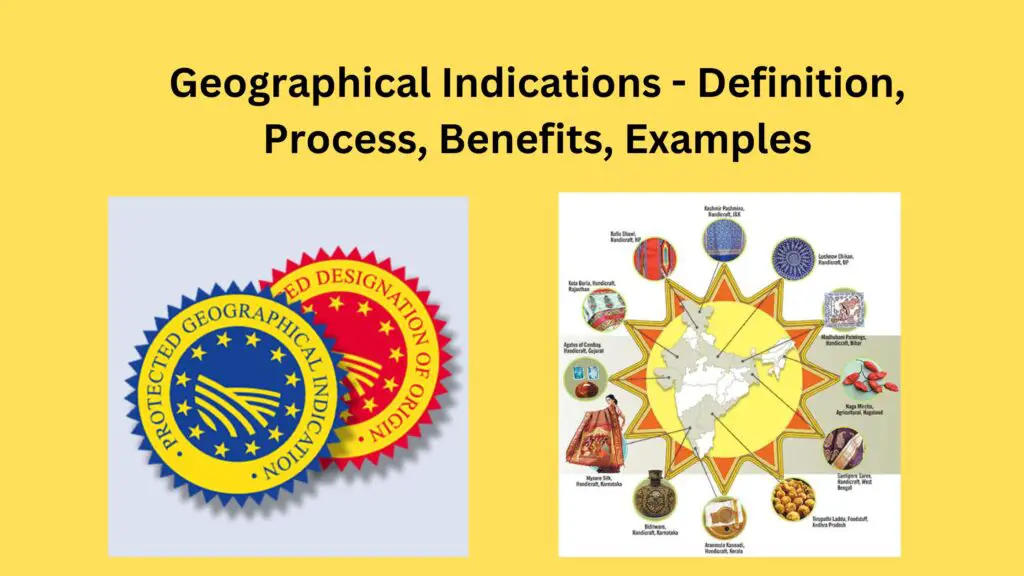
The Uji brand is protected under Japan’s Geographical Indication (GI) system, which ensures that only products meeting specific production requirements within defined geographic boundaries can carry the name. According to the Ministry of Agriculture, Forestry and Fisheries (MAFF) of Japan, the GI system is designed to prevent the misuse of regional names that guarantee quality and authenticity. Despite these legal frameworks, enforcement remains a complex challenge in cross-border e-commerce, where third-party sellers often bypass regional branding restrictions.
The Uji Matcha Designation and Consumer Protection
Authentic Uji matcha is defined by the specific soil, climate, and centuries-old processing techniques found in the Kyoto region. The Uji Tea Producers Union, a key stakeholder in maintaining these standards, has noted that the unauthorized use of the “Uji” label misleads consumers regarding the quality, origin, and health benefits of the tea. Matcha, a finely ground powder of shade-grown tea leaves, requires precise handling to maintain its vibrant green color and chemical profile; imitations often use lower-grade leaves or different processing methods that result in a significantly different product profile.
When Japanese media outlets confronted Chinese manufacturers regarding these labeling practices, responses varied from claims of “marketing intent” to assertions that “Uji” simply refers to a style of tea rather than a geographic origin. However, international intellectual property experts emphasize that geographical indications are protected as intellectual property. Under the World Intellectual Property Organization (WIPO) guidelines, the unauthorized use of a protected name constitutes a violation of trade standards, as it exploits the reputation of an authentic regional product to sell an unrelated item.
Challenges in International Enforcement
The proliferation of “fake” Uji matcha highlights the limitations of domestic GI protections when applied to global supply chains. While Japan has been active in registering its GIs abroad, the sheer volume of retailers on platforms like Amazon, Alibaba, and various social media marketplaces makes it difficult to police every listing. Consumers looking to ensure they are purchasing authentic Japanese tea are advised to check for the official GI certification mark, which is typically displayed on the packaging of certified products.
For international buyers, identifying authentic matcha involves looking for specific indicators beyond the name. The Japan External Trade Organization (JETRO) frequently provides resources for identifying legitimate Japanese agricultural exports. Products that lack clear traceability, are priced significantly lower than market averages for high-grade matcha, or originate from regions outside of Japan are often indicators that the product does not adhere to the standards required for the Uji designation.
What Happens Next for Tea Industry Regulators
The Japanese government and regional tea associations are continuing to monitor online marketplaces to identify patterns of trademark and GI infringement. The strategy moving forward involves closer cooperation with international e-commerce platforms to automate the removal of listings that violate intellectual property rights. Additionally, there is an ongoing push to educate global consumers about the importance of the GI label, which serves as a guarantee of both authenticity and quality.
Industry observers expect that future updates to international trade agreements may include stronger provisions for the protection of agricultural geographical indications. As the global demand for matcha continues to grow—fueled by its status as a health-conscious food trend—the pressure to maintain the integrity of regional brands like Uji will likely intensify. Consumers are encouraged to report suspicious listings to the respective e-commerce platforms to assist in the removal of misleading product labels.
For the latest updates on the protection of Japanese agricultural products and official notifications regarding GI certification, stakeholders and consumers can monitor the official website of the Japanese Ministry of Agriculture, Forestry and Fisheries. We welcome your thoughts on this issue; please share your experiences with identifying authentic tea products in the comments section below.
Keep reading