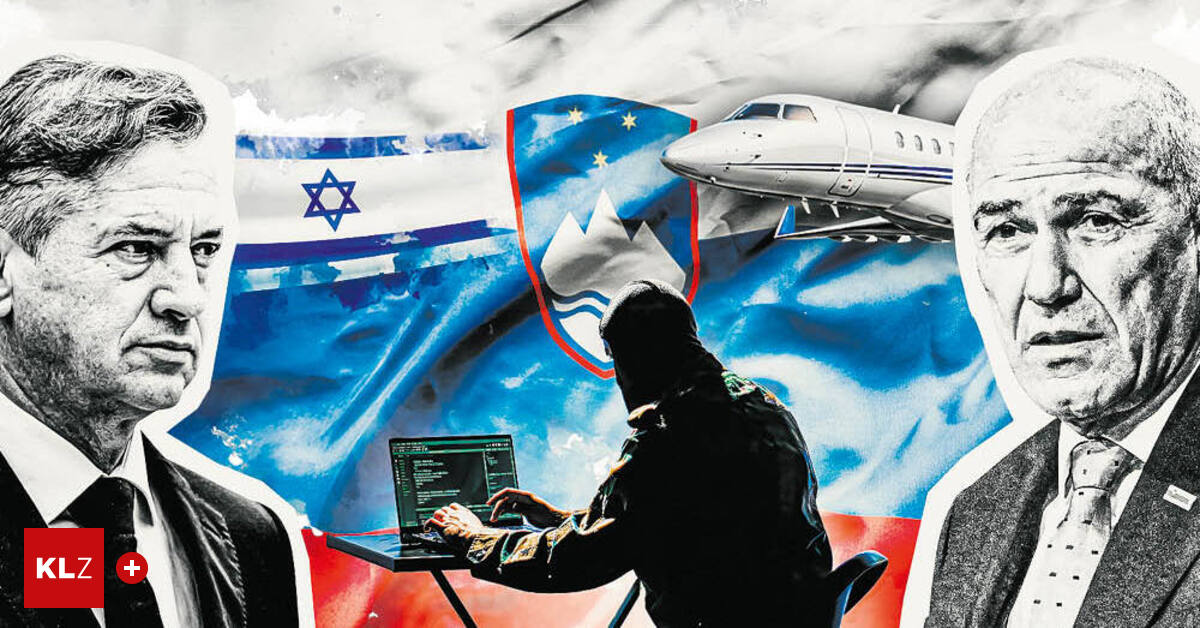
Allegations of Fabricated Videos Rock Slovenian Election Campaign
As Slovenia heads towards a closely contested election, the political landscape has been thrown into turmoil by the emergence of fabricated videos. The controversy bears striking similarities to the “Ibiza affair” that unfolded in Austria several years ago, raising concerns about the integrity of the electoral process and the potential for foreign interference. The timing of these revelations, just days before voters cast their ballots, adds another layer of complexity to an already tense political climate.
The allegations center around videos purportedly showing compromising situations involving key political figures. While details remain scarce – and the authenticity of the videos is disputed – the rapid spread of these materials online has already sparked a national debate. Current polling data indicates a tight race between incumbent Prime Minister Robert Golob and former Prime Minister Janez Jansa, making every development potentially decisive.
Echoes of the Austrian “Ibiza Affair”
The current situation in Slovenia is drawing comparisons to the 2019 Austrian “Ibiza affair,” which led to the collapse of the governing coalition and triggered a snap election. That scandal involved a secretly filmed video featuring then-Freedom Party (FPÖ) leader Heinz-Christian Strache offering government contracts in exchange for political favors to a woman posing as a Russian investor. The fallout from the Austrian scandal included criminal investigations, political resignations, and a significant shift in the country’s political alignment.
The parallels between the two cases are evident: both involve secretly recorded videos, allegations of corruption, and the potential for foreign influence. In Austria, the video was filmed at a villa in Ibiza, Spain, hence the name. The Slovenian case, dubbed “a little Ibiza” by some observers, suggests a similar attempt to manipulate the political process through covert operations. The involvement of an “Israeli intelligence firm” – as reported by Kleine Zeitung – further complicates the situation and raises questions about the origins and motivations behind the fabricated videos.
The Players and the Stakes
The two main contenders in the Slovenian election are Robert Golob, the current Prime Minister representing the Freedom Movement, and Janez Jansa, the leader of the Slovenian Democratic Party (SDS). Golob came to power in 2022, ousting Jansa after a period of political polarization. Jansa, a conservative politician, previously served as Prime Minister from 2004 to 2008 and again from 2020 to 2022. The election is widely seen as a referendum on their respective leadership styles and visions for the country’s future.
The allegations of fabricated videos could significantly impact the outcome of the election. If voters believe the videos are genuine, it could damage the reputation of the targeted politicians and erode public trust in the political system. Conversely, if the videos are widely discredited, it could backfire on those who released them, potentially strengthening the position of the accused. The timing of the release, so close to the election, suggests a deliberate attempt to influence voters at the last minute.
The Role of Foreign Interference
The reported involvement of an Israeli intelligence firm in the creation of the fabricated videos raises serious concerns about foreign interference in the Slovenian election. While the exact nature of the firm’s involvement remains unclear, the allegations suggest a coordinated effort to manipulate the political process from abroad. What we have is not the first time that concerns have been raised about foreign interference in European elections. In recent years, there have been reports of Russian interference in elections in France, Germany, and other countries.
The potential for foreign interference poses a significant threat to democratic institutions. It can undermine public trust in the electoral process, distort the political debate, and ultimately erode the legitimacy of the government. Slovenian authorities are likely to investigate the allegations of foreign interference thoroughly, and international organizations may also offer assistance in the investigation.
Impact on the Election Outcome
The Slovenian election, scheduled for [date not provided in source, needs verification – April 21, 2024, according to web search], is expected to be closely contested. Recent polls present Golob and Jansa neck and neck, with a significant percentage of undecided voters. The fabricated videos could sway these undecided voters, potentially tipping the balance in favor of one candidate or the other.
The scandal also raises questions about the future of Slovenian politics. If the allegations of corruption are substantiated, it could lead to criminal investigations and political resignations. It could also fuel further polarization and distrust in the political system. The outcome of the election will likely have a significant impact on Slovenia’s domestic and foreign policies, as well as its relationship with the European Union.
Austria’s Response and Aftermath
The 2019 Austrian “Ibiza affair” had far-reaching consequences. The video led to the resignation of Vice-Chancellor Strache and the collapse of the governing coalition between the Austrian People’s Party (ÖVP) and the Freedom Party (FPÖ). A snap election was held in September 2019, resulting in a victory for the ÖVP, led by Sebastian Kurz. However, the scandal continued to haunt Austrian politics, with investigations into alleged corruption and abuse of power continuing for years afterward. Thomas Schmid, a close associate of Kurz, became a key witness in the investigations, providing testimony that implicated high-ranking officials in the ÖVP.
The Austrian experience serves as a cautionary tale for Slovenia. It demonstrates the potential for a political scandal to destabilize a government, erode public trust, and lead to prolonged investigations and legal battles. The Slovenian authorities will be closely monitoring the situation and taking steps to prevent a similar outcome.
Key Takeaways
- Fabricated videos have emerged in Slovenia just before a crucial election, mirroring the 2019 Austrian “Ibiza affair.”
- The allegations involve potential corruption and raise concerns about foreign interference, specifically the reported involvement of an Israeli intelligence firm.
- The election is expected to be closely contested between incumbent Prime Minister Robert Golob and former Prime Minister Janez Jansa.
- The scandal could significantly impact the election outcome and has the potential to destabilize Slovenian politics.
As Slovenia prepares to head to the polls, the controversy surrounding the fabricated videos is likely to remain a central issue. The investigation into the origins and authenticity of the videos is ongoing, and the results could have significant implications for the future of Slovenian politics. Further updates will be provided as the situation develops. Readers are encouraged to share their thoughts and engage in respectful discussion in the comments section below.
Worth a look
- The Asus ROG Flow Z13 Ultra-Portable Gaming Laptop Sees a Major Price Drop Despite Having Tons of RAM
- Fussel aus dem Trockner bloß nicht in den Müll werfen – Ruhr24
- FDA raised conflict of interest concerns ahead of new peptide panel (archyde.com)
- Austrian Telecom Sector Evolves as Austrian Post Launches YELLLOW Brand (archyworldys.com)