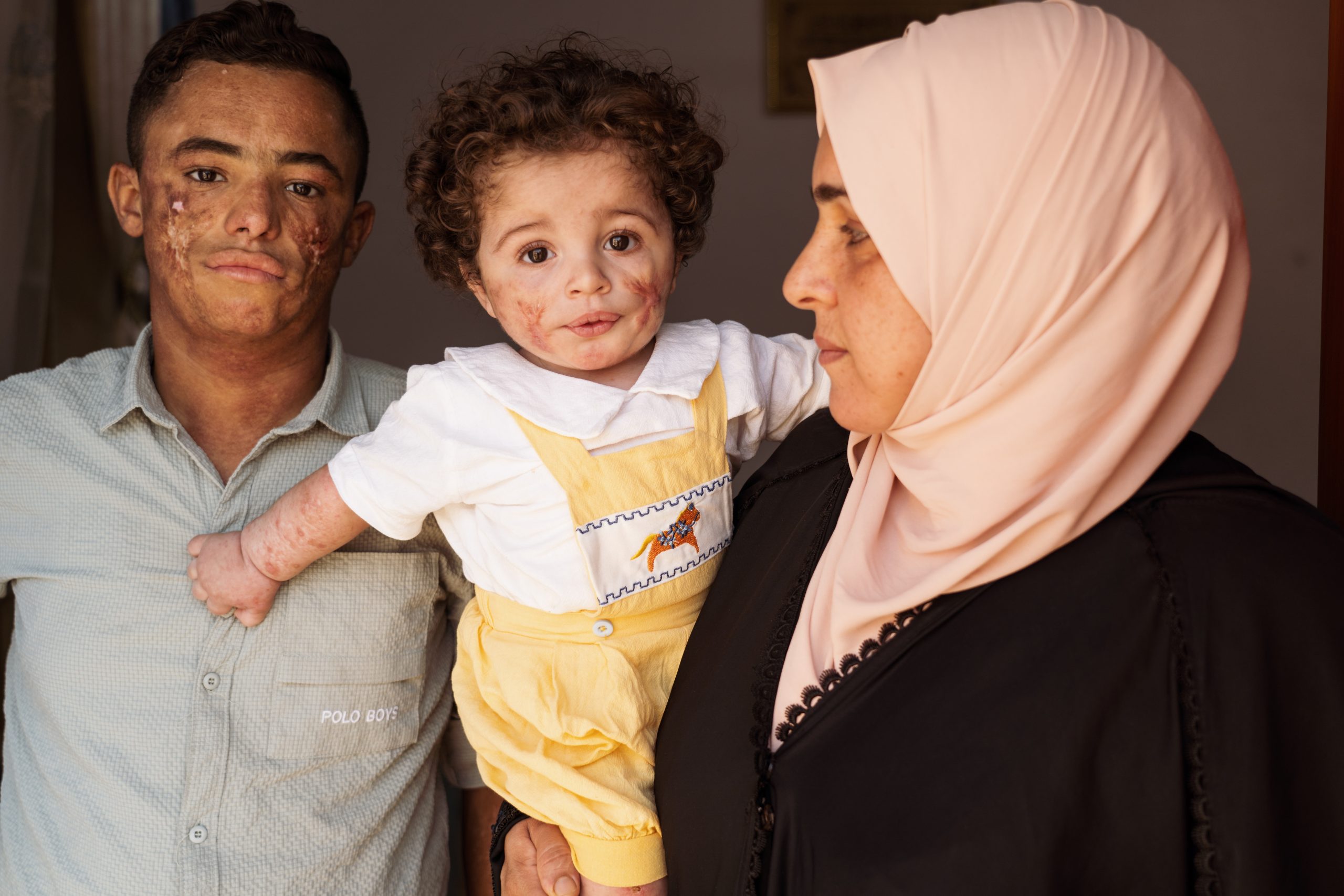
The War’s Lasting Scars: Toxic Contamination and Birth Defects in Fallujah
The city of Fallujah, Iraq, continues to grapple with the devastating consequences of the 2004 U.S.-led military offensives. Beyond the immediate casualties of war, a generational health crisis is unfolding, marked by a dramatic increase in birth defects and cancers. These health issues are widely attributed to the use of controversial weapons and the lingering effects of toxic contamination.This article examines the ongoing impact on families in Fallujah and the calls for accountability and remediation.
The Siege of Fallujah and its Aftermath
In November 2004, U.S. Marines launched a large-scale assault on Fallujah,a city west of Baghdad,to regain control from insurgent groups. The battle, one of the most intense of the Iraq War, involved heavy bombardment and urban combat. Following the initial assault, a second offensive was launched in December 2004.The U.S.military employed white phosphorus and other controversial munitions during these operations, sparking concerns about their long-term health effects. The Guardian reported in 2005 on allegations of white phosphorus use, which the U.S. military initially denied but later acknowledged.
A Surge in Birth defects and Cancer
In the years following the siege, Fallujah experienced a startling rise in birth defects, including heart defects, neural tube defects, and limb malformations. Studies and reports from organizations like the Dirac Research have documented these alarming trends. The incidence of certain cancers, notably leukemia and brain tumors, also increased significantly. While establishing a direct causal link is complex,many residents and health professionals believe the contamination from weapons used during the conflict is a primary factor.
Toxic Contamination: A Lingering Threat
The use of depleted uranium (DU) munitions, along with white phosphorus and other explosives, is suspected of contaminating the soil, water, and air in Fallujah. depleted uranium is a radioactive byproduct of uranium enrichment and is used in armor-piercing weaponry.Its long-term health effects are debated,but exposure has been linked to various cancers,birth defects,and kidney problems. Research published in the National Center for Biotechnology Information details the potential health risks associated with exposure to depleted uranium.
The Human Cost: Bothaina’s Story
Bothaina, a resident of Fallujah, embodies the profound human cost of this crisis. Her daughter, Farah, was born with severe disabilities. “I feel useless… But I guess this is our fate,” she says, reflecting the despair felt by many families. Despite the trauma, Bothaina does not harbor hatred towards the Americans.”Even though they stole my daughter’s future, I don’t hate the Americans,” she adds. “I just want them to fix what they did in Fallujah.” She laments the loss of the future she envisioned for Farah – a future filled with education, marriage, and family – now reduced to the hope that her daughter can simply swallow on her own.
Calls for Accountability and Remediation
Families in Fallujah and international advocacy groups are demanding accountability for the health crisis and calling for comprehensive remediation efforts. These include:
- Autonomous Health Studies: Conducting thorough, independent epidemiological studies to assess the full extent of the health impacts.
- Environmental Remediation: Cleaning up contaminated sites and providing safe water sources.
- Medical Assistance: Providing long-term medical care and support for affected individuals and families.
- Compensation: Offering compensation to victims and their families for the harm they have suffered.
The Ongoing Struggle
The situation in Fallujah remains dire. The lack of adequate healthcare, economic hardship, and ongoing political instability exacerbate the challenges faced by affected families. The story of Fallujah serves as a stark reminder of the long-term consequences of war and the ethical responsibilities associated with the use of weapons and the protection of civilian populations. As Bothaina’s story illustrates, the war in Fallujah continues to unfold, not on the battlefield, but in the lives of its children and the hearts of their mothers.
Published: 2026/01/26 16:46:58