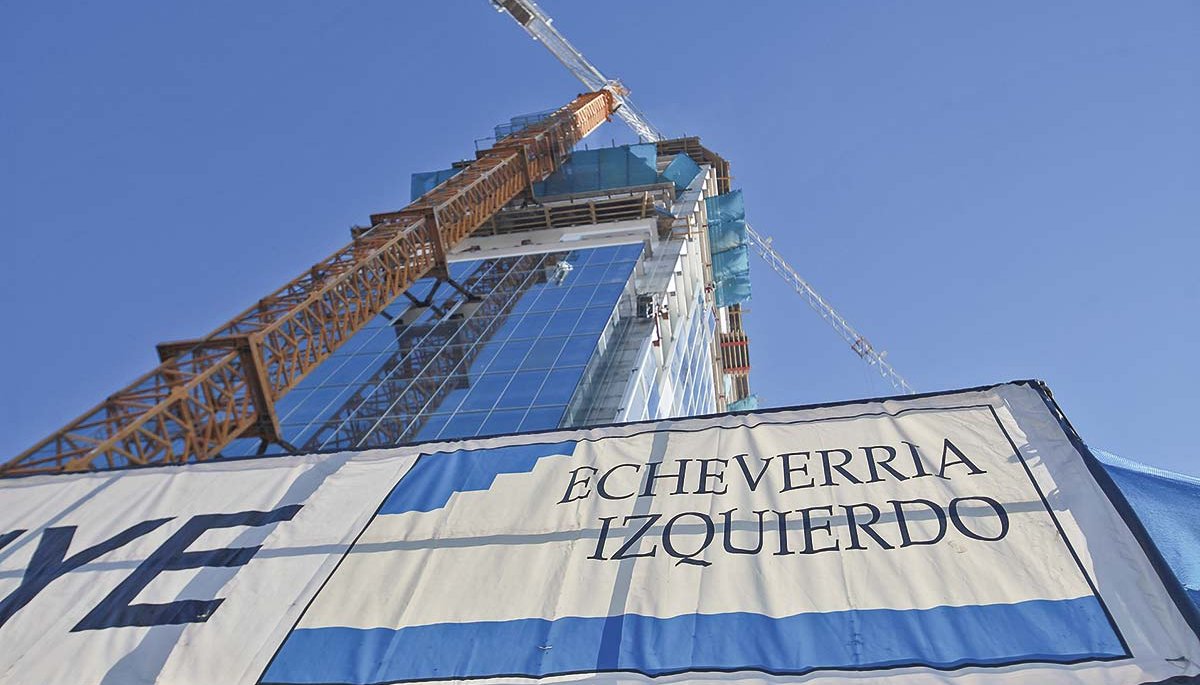
The Barros Izquierdo family has sold a 7.2% stake in the Chilean construction firm Echeverría Izquierdo for more than US$ 23 million, according to reports from Diario Financiero. This divestment represents a significant shift in the ownership structure of one of Chile’s most prominent construction companies as it navigates a complex financial restructuring process.
The transaction involves the transfer of equity from the Barros Izquierdo family to other investors, valuing a small slice of the company at a premium that reflects the strategic importance of the firm’s assets. Echeverría Izquierdo has been under intense scrutiny due to liquidity challenges and the broader downturn in the Chilean construction sector, making this capital move a critical data point for analysts tracking the firm’s stability.
This sale occurs while the company manages a heavy debt load and seeks to maintain operational continuity. The movement of shares by the Barros Izquierdo family suggests a strategic reallocation of capital, potentially distancing certain family interests from the direct operational risks associated with the firm’s current financial obligations.
Financial Implications of the Barros Izquierdo Divestment
The sale of 7.2% of Echeverría Izquierdo for over US$ 23 million places a specific implied valuation on the company’s total equity. According to the figures reported by Diario Financiero, the transaction underscores the liquidity needs of the selling party and the appetite of buyers for a stake in a company currently undergoing restructuring.
For the construction industry in Chile, this move is a bellwether. The sector has faced headwinds including high interest rates and increased material costs, which have squeezed margins for large-scale contractors. Echeverría Izquierdo, known for major infrastructure and residential projects, has had to negotiate with creditors to avoid insolvency. The entry of new capital or the exit of legacy shareholders often precedes a broader reorganization of the company’s balance sheet.
The Barros Izquierdo family has historically held a position of influence within the company. By liquidating this portion of their holding, they are realizing a concrete cash value from an asset that has become volatile. Market observers note that such sales are often timed to capture value before further restructuring terms—which could include equity dilution—are finalized with banks and bondholders.
Echeverría Izquierdo’s Restructuring Context
The transaction does not happen in a vacuum. Echeverría Izquierdo has been engaged in a delicate dance with its creditors to restructure its debt. The company has sought to extend payment deadlines and modify the terms of its loans to prevent a total collapse of its operational capacity.
According to Chilean financial filings and market reports, the firm’s struggles are tied to a combination of project delays and the systemic crisis affecting the national construction industry. When a major shareholder like the Barros Izquierdo family sells a stake, it often signals a change in the risk profile the family is willing to carry. If the company were in a position of absolute strength, such a divestment might be viewed as simple portfolio diversification; however, in the context of a debt crisis, it is viewed as a risk-mitigation strategy.
The impact on the company’s governance remains to be seen. A 7.2% stake is not a controlling interest, but in a closely held construction firm, such a percentage can influence voting blocks and strategic decisions regarding future capital injections or the potential sale of the company’s remaining assets.
Broader Impact on the Chilean Construction Market
The movement of shares in Echeverría Izquierdo reflects a wider trend of consolidation and distress in the Chilean building sector. Many firms are currently facing a “perfect storm” of declining demand and rigid debt obligations. The ability of a distressed firm to find a buyer for a stake at a valuation of US$ 23 million for 7.2% suggests that there is still perceived intrinsic value in the company’s project pipeline and technical expertise.
Industry analysts point out that Echeverría Izquierdo possesses a portfolio of high-value contracts that make it an attractive target for investors who are betting on a cyclical recovery. If the Chilean Central Bank continues to adjust interest rates to stimulate the economy, the cost of financing for these projects may drop, increasing the value of the equity currently being traded.
The Barros Izquierdo family’s decision to exit this portion of their investment may also be a precursor to further equity shifts. In many Chilean corporate structures, family-led divestments are the first step toward a transition to institutional ownership or a strategic merger with a larger international conglomerate.
Next Steps for Shareholders and Creditors
The immediate focus for Echeverría Izquierdo will be the formalization of any remaining debt agreements. Creditors will be monitoring the change in shareholding to ensure that the company maintains a stable leadership core capable of executing the restructuring plan.
The next confirmed checkpoint for the company involves the submission of updated financial statements and the progress of its negotiations with its primary lending banks. These filings will reveal whether the capital from this share sale remains with the family or if any portion of the transaction was tied to a commitment to inject further liquidity into the firm’s operations.
Readers interested in the ongoing financial health of the Chilean construction sector can monitor official filings through the Comisión para el Mercado Financiero (CMF) of Chile for updates on equity changes and debt restructuring milestones.
Do you have insights into the Chilean construction market or the impact of this divestment? Share your thoughts in the comments below.