
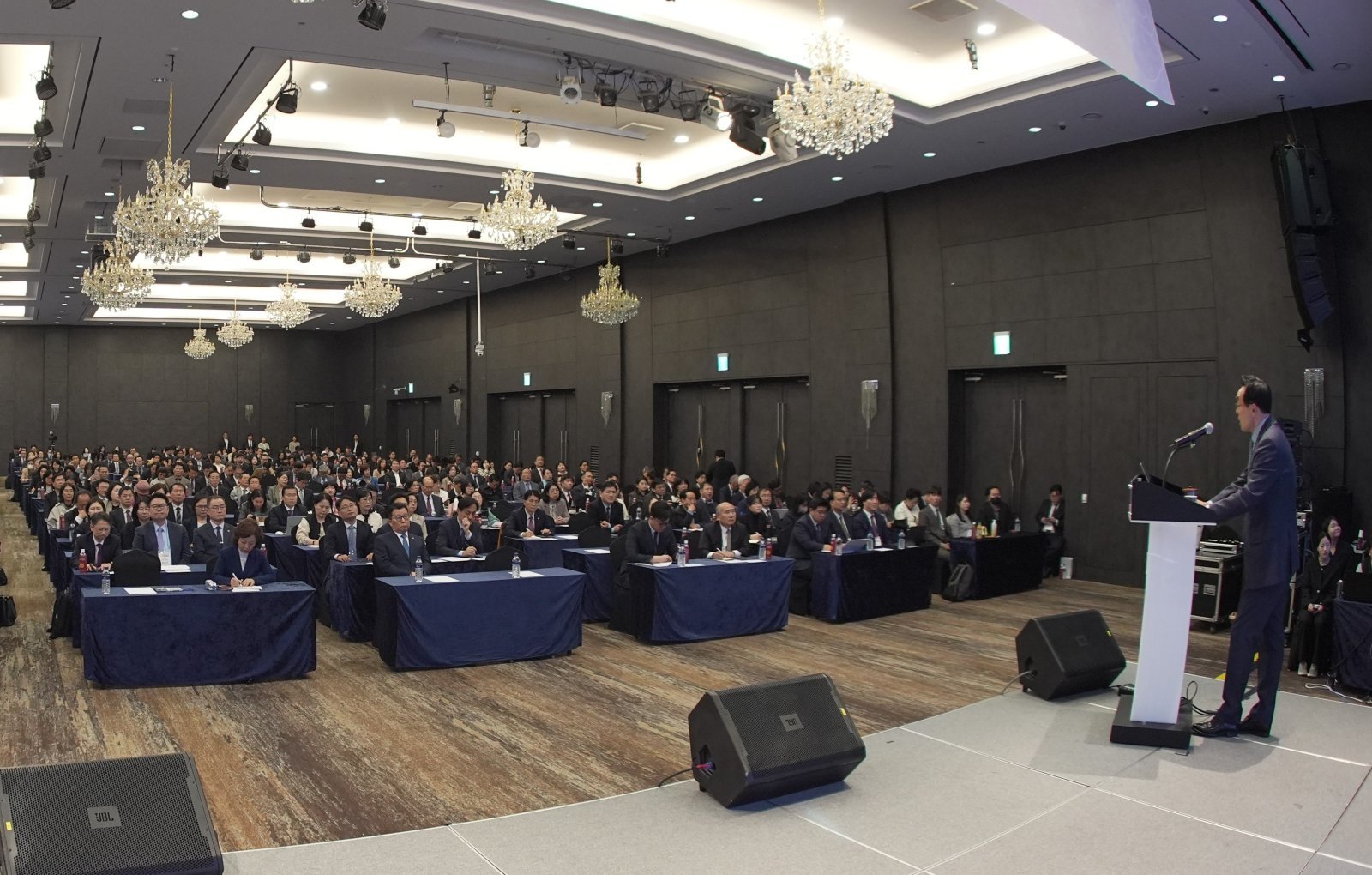
The Family Federation for World Peace and Unification (FFWPU) has launched a high-intensity effort to reform its organizational structure and restore public trust, convening a major leadership summit in South Korea this week. The organization is seeking to pivot away from past practices to establish itself as a religious community that contributes meaningfully to Korean society.
Starting April 7, 2026, the 2026 National Ministers General Assembly gathered approximately 600 ministers and public officials at the The Ocean Resort in Yeosu, South Jeolla Province according to MBN. The three-day event, titled “With the Heart of True Parents, Toward Newness,” serves as a strategic response to what the organization describes as a period of crisis.
The assembly is centered on the “Vision 2027” initiative, a roadmap designed to revitalize the ministry’s momentum and fundamentally alter the organization’s internal culture. By focusing on self-reflection and the establishment of “Hyo-jeong” (filial heart) values, the leadership aims to transform current hardships into a catalyst for growth as reported by Newfile News.
Structural Reforms and the Shift Toward Transparency
During the opening ceremony, Song Yong-cheon, the President of the Korean Association, emphasized the urgent need for self-reflection and a departure from traditional, authoritarian management styles. Song called for a structural shift toward a model defined by communication, transparency, and shared information to regain the trust of the public and its members.
This push for “high-intensity innovation” is not merely internal. Song specifically highlighted the importance of establishing strict public official ethics and breaking ties with outdated practices, citing external pressures as a primary driver for these changes. He pointed to the legal challenges facing the organization abroad, specifically mentioning the request for a dissolution order of the religious corporation in Japan per Newfile News reports.
The assembly’s focus on “organizational constitution improvement” suggests a move toward more professionalized governance. By integrating transparency as a core value, the FFWPU hopes to mitigate the criticism and legal scrutiny it has faced in multiple jurisdictions, attempting to reposition itself as a transparent and accountable entity within the broader religious landscape of East Asia.
Addressing the ‘Vision 2027’ Strategy
The “Vision 2027” goal serves as the overarching objective for the current leadership. The assembly in Yeosu was designed to align the 600 attending officials with this specific timeline, focusing on the recovery of “ministry field dynamics.” This implies a concerted effort to re-energize local chapters and grassroots efforts that may have stagnated due to the aforementioned crises.
Key pillars of the strategy discussed during the assembly include:
- Mission Redefinition: Encouraging public officials to redefine their roles and sense of duty in a modern social context.
- Value Establishment: Promoting the value of “Hyo-jeong” (filial heart) as a foundation for personal and organizational ethics.
- External Adaptation: Developing strategies to navigate hostile legal environments, such as the ongoing issues with the Japanese government.
- Health and Spirit: The gathering included prayers and sincerity for the health of Hak Ja Han Moon, the leader of the organization according to official proceedings.
Why This Shift Matters
For a global audience, the FFWPU’s move toward “transparency” and “disconnection from past practices” represents a significant admission of systemic failure. The mention of the Japanese dissolution order is particularly critical, as it signals that the organization recognizes the legal precariousness of its current operational model in certain territories. By attempting to “reform” its image in Korea, the FFWPU is likely seeking a stable home base from which to manage its global interests.
The transition from an “authoritarian” operating style to one of “communication and sharing” is a common trajectory for organizations facing existential threats. Whether this shift results in genuine transparency or is a strategic rebranding effort remains a point of scrutiny for observers of religious movements and international law.
Key Takeaways from the Yeosu Assembly
- Attendance: Approximately 600 ministers and public officials gathered at The Ocean Resort in Yeosu via MSN.
- Core Theme: “With the Heart of True Parents, Toward Newness,” focusing on the “Vision 2027” victory.
- Primary Goal: To break away from past practices and move toward a transparent, trustworthy religious community.
- External Pressure: The organization explicitly cited the Japanese government’s request for dissolution as a reason for urgent reform.
- Leadership Stance: President Song Yong-cheon advocated for the removal of authoritarian management in favor of structural change.
As the assembly concludes its three-day run, the focus shifts to how these resolutions will be implemented across the organization’s national and international networks. The success of “Vision 2027” will likely be measured by the organization’s ability to avoid further legal dissolution orders and its capacity to maintain member retention amidst a climate of public skepticism.
The next scheduled phase of this initiative involves the implementation of the “structural changes” promised by President Song Yong-cheon to the 600 officials in Yeosu. Further updates on the organization’s legal status in Japan and its subsequent reforms in Korea are expected as the 2027 deadline approaches.
Do you consider organizational transparency can truly restore trust in religious institutions facing legal challenges? Share your thoughts in the comments below.