
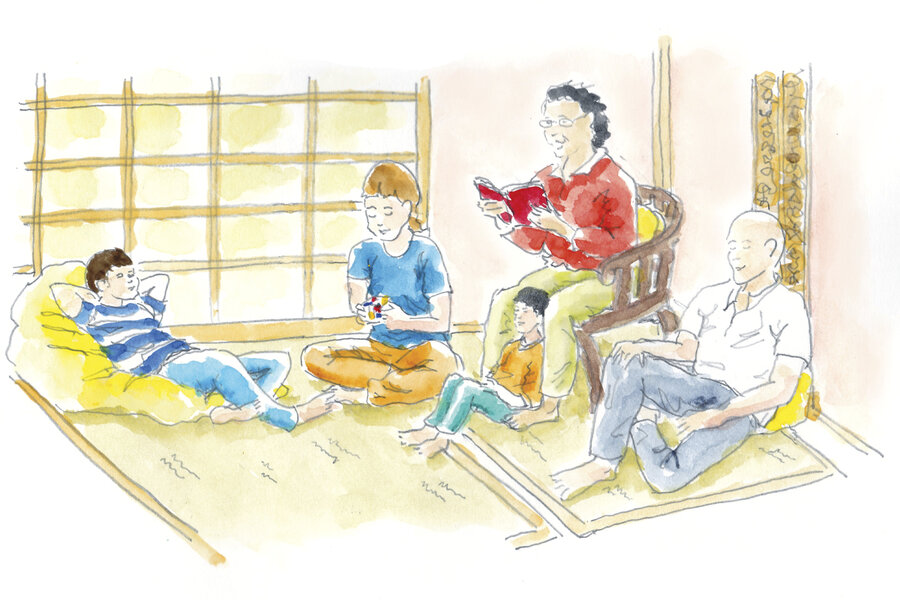
The Enduring Power of Shared Stories: How Reading Aloud Builds Connection, Empathy, and a Lifelong Love of Literature
In a world increasingly fragmented by screens and the demands of modern life, the simple act of reading aloud can be a powerful antidote. It’s a practice that has profoundly shaped my family’s connection, fostering not only a love of literature but also crucial emotional intelligence and a deeper understanding of ourselves and the world around us. This isn’t just about bedtime stories; it’s about intentionally cultivating a shared experience that transcends age and circumstance. For years, we’ve prioritized reading chapter books together, a journey that began with lighthearted tales and has evolved into explorations of complex themes and diverse perspectives.
Why Read aloud Beyond the Early Years? The Developmental Benefits
Many parents associate reading aloud with early childhood, focusing on phonics and basic comprehension. However, the benefits extend far beyond these foundational skills. As children enter elementary school and beyond, reading aloud continues to be invaluable. It significantly expands vocabulary – encountering new words in context is far more effective than rote memorization. More importantly, it allows children to grapple with refined narratives and emotional landscapes they might not yet be able to navigate independently.
We began this practice around age seven or eight, recognizing that chapter books offered a bridge to more complex thinking. Initially, illustrations were vital, providing visual cues to aid comprehension. But as my children matured, they developed the ability to create vivid mental images solely through the power of language. This shift marked a turning point: reading together transitioned from a language acquisition exercise to a deeply enriching shared experience.
Curating a Literary Landscape: Choosing Books That matter
Selecting the right books is paramount. I approach this with intention, balancing classic literature with contemporary works that reflect the diversity of human experience. We’ve journeyed through the thought-provoking world of Lois Lowry’s “The Giver” and its sequels, explored the challenges and triumphs of immigrant life in Kelly Yang’s “Front desk,” and been inspired by the ingenuity of William Kamkwamba in “The Boy who Harnessed the Wind.”
However, the process isn’t solely dictated by my choices. My daughter’s enthusiasm for a japanese translation of Alan Gratz’s “Ban This Book” led us to explore the original English version,sparking lively discussions about censorship,freedom of expression,and the power of storytelling.This experience underscored a crucial lesson: the most impactful books are often those that resonate personally and ignite conversation.
The Emotional Resonance of Story: building empathy and Connection
The true magic of reading aloud lies in its ability to evoke emotion and foster empathy. It’s in those shared moments of laughter, tears, and quiet contemplation that the deepest connections are forged.I vividly remember reading “Ban This Book” and the collective eruption of laughter when the characters devised hilariously absurd fake book covers. The sheer joy was palpable, a shared experience that created an instant inside joke.
But the power of story extends beyond humor. A notably poignant scene in “Front Desk,” depicting the father’s anguish after his wife’s attack and hospitalization – his heartbreaking admission of feeling like he’d failed to protect her – deeply affected me. I struggled to voice the words, overwhelmed by the raw emotion. My children, sensing my distress, intuitively understood the weight of the moment, offering a silent acknowledgment of the pain and resilience embedded within the narrative. These moments are invaluable, demonstrating how literature can provide a safe space to explore complex emotions and build emotional literacy.
portrayal Matters: seeking Diverse Voices in Children’s Literature
A critical aspect of our reading journey has been a conscious effort to diversify our literary landscape. While Western authors dominate mainstream English publishing, it’s essential to seek out stories that reflect the experiences of all cultures. Books featuring Filipino and Chinese characters and narratives are often underrepresented, yet they hold immense value for my family, allowing my children to see themselves reflected in the pages and fostering a sense of belonging.
“front Desk” resonated deeply, offering a glimpse into the challenges and triumphs of a young Chinese immigrant family. Similarly, “The Boy Who Harnessed the Wind,” though set in Malawi, highlighted universal themes of ingenuity and resilience that mirrored the resourcefulness frequently enough found within Filipino culture. Even seemingly unrelated stories, like David Walliams’ “Grandpa’s Great Escape,” reinforced values like respecting elders, a cornerstone of Chinese tradition. This exploration has revealed a powerful truth: while cultural expressions differ, fundamental human values are universally shared.
The Ritual as a reset: Finding Common Ground in a busy World
Life is often chaotic. We all carry the weight of daily





