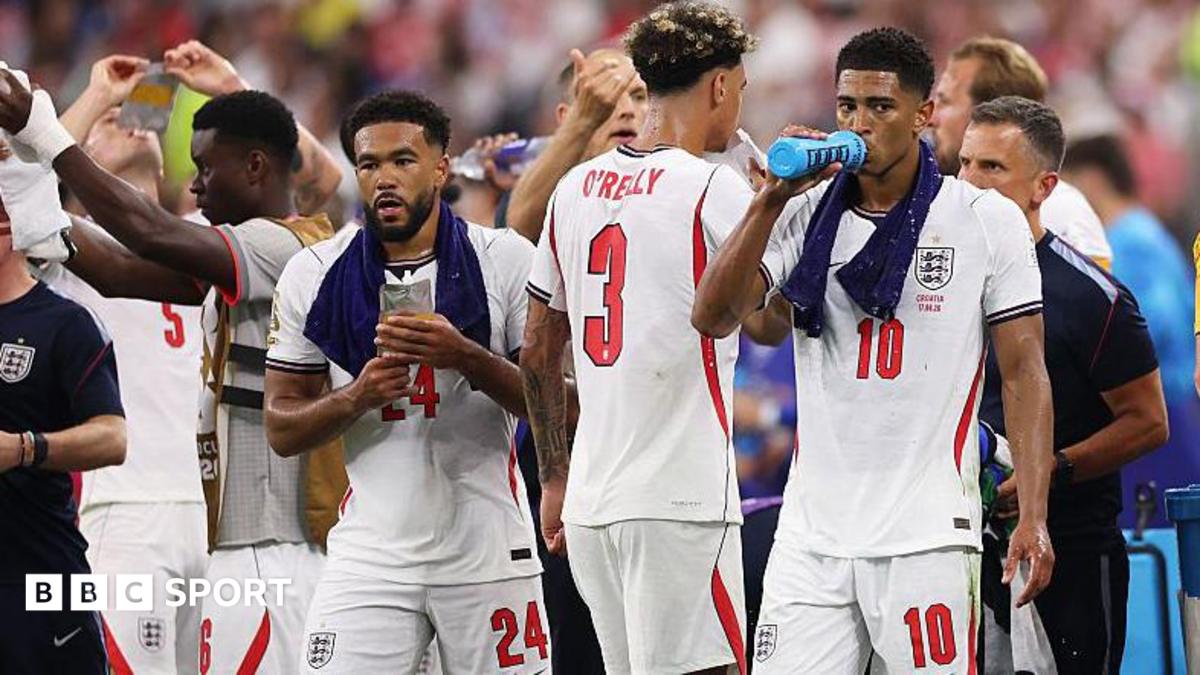
Mid-half hydration breaks have become a polarizing feature of modern football at the FIFA World Cup, forcing a complex balancing act between athlete health and the expectations of spectators. While tournament officials mandate these pauses when wet-bulb globe temperature (WBGT) thresholds are met, the practice continues to draw vocal disapproval from fans in stadiums and on social media, even as coaches and players refine their tactical approach to these regulated intervals.
FIFA’s medical committee introduced these breaks to mitigate the risks of exertional heat illness, particularly in climates where humidity and temperature combine to create dangerous playing conditions. According to the FIFA Football Medicine guidelines, officials monitor environmental data throughout the match. When the WBGT index exceeds 32 degrees Celsius, referees are empowered to pause play for up to three minutes, allowing athletes to rehydrate and lower their core body temperature.
The Conflict Between Fan Sentiment and Player Safety
The friction surrounding hydration breaks stems largely from the disruption of match momentum, a sentiment frequently expressed by supporters during high-stakes tournament fixtures. Fans in attendance often boo when the referee signals for a break, perceiving the stoppage as an artificial interference that stifles the flow of the game. For many viewers, the spectacle of the World Cup is defined by continuous, high-intensity action, and any pause is viewed through the lens of entertainment value rather than medical necessity.
However, the physiological demands on professional footballers in extreme conditions are significant. Research published by the British Journal of Sports Medicine indicates that fluid loss through sweat can exceed two liters per hour in high-temperature environments, leading to decreased cognitive function and physical performance. While the optics of a stoppage may frustrate the crowd, the medical consensus remains that these breaks are a vital component of duty-of-care protocols for international athletes.
Tactical Adjustments: How Coaches Utilize the Pause
Away from the criticism of the stands, head coaches and their technical staffs have adapted to these stoppages by treating them as informal tactical timeouts. Because the ball is out of play for several minutes, managers use the opportunity to deliver refined instructions, substitute players, or adjust defensive structures without the need for a formal substitution window.
The strategic use of these breaks has transformed them into a secondary managerial tool. During a 2014 World Cup match between the Netherlands and Mexico, the first instance of a hydration break in the tournament’s history, coaches on both sides utilized the time to regroup and speak directly with their captains. This behavior has since become standard practice across the sport. By the time the 2022 FIFA World Cup in Qatar took place, the integration of these breaks into the tactical rhythm of a match was viewed by analysts as a predictable, albeit controversial, element of the modern game.
The Evolution of Heat Management Protocols
The implementation of hydration breaks is not a universal constant but a conditional measure based on real-time data. FIFA’s medical staff works in conjunction with local meteorological services to assess conditions before and during each match. This data-driven approach ensures that the breaks are only utilized when the environmental risk to players justifies the disruption of the broadcast and the match flow.
Beyond the breaks themselves, teams have invested heavily in heat acclimation strategies. Players often undergo specialized training in climate-controlled chambers or travel to host nations weeks in advance to allow their bodies to adjust to the local environment. These efforts are designed to reduce the reliance on external interventions like hydration breaks, though the extreme nature of some tournament venues makes them difficult to avoid entirely. The FIFA Council continues to review these medical mandates periodically to ensure they align with the latest sports science regarding thermal stress.
Looking Ahead to Future Tournaments
As the international football calendar expands, the challenge of hosting matches in diverse climates will likely keep hydration breaks in the spotlight. The governing body for global football remains committed to the current medical framework, prioritizing the prevention of heat-related injuries over the aesthetic preference for uninterrupted play.
The next major evaluation of these protocols is expected to occur during the post-tournament technical reviews conducted by FIFA’s medical and competition committees. These internal reports typically synthesize data from all tournament matches to determine if existing thresholds for environmental safety require adjustment. Readers interested in the official updates regarding FIFA’s medical policies can monitor the organization’s official documents portal for the latest technical circulars and regulatory amendments.
How do you view the balance between player safety and the flow of the game? Share your thoughts in the comments section below, and join the conversation on our social media channels to see how other fans are reacting to these ongoing tournament changes.
Worth a look