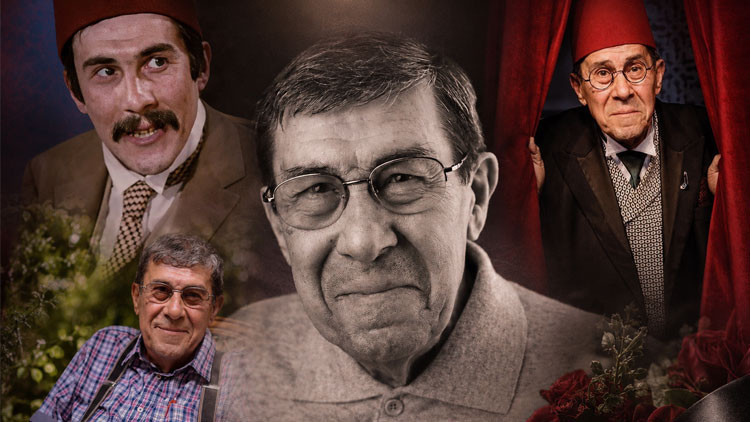
Turkish theater actor Zihni Göktay has died in a hospital in Istanbul. The actor passed away following medical treatment in the city, according to reports from the Ihlas News Agency and TRT Haber.
Family and colleagues gathered to bid farewell to the actor during his final journey. The event was marked by emotional tributes to Göktay’s contribution to the Turkish stage, with Hürriyet describing the loss as the closing of a chapter in theater history.
Following his death, Göktay’s daughter revealed a letter her father had written years prior, a document that has since drawn significant attention from the public and the arts community, as reported by Sözcü Gazetesi and Milliyet.
Who was Zihni Göktay and what was his impact on Turkish theater?
Zihni Göktay was a figure of the Turkish theatrical tradition. According to Hürriyet, he is regarded as a “plane tree” (çınar) of Turkish theater, a term used in Turkish culture to denote a towering, protective, and deeply rooted figure of wisdom and experience.

His career spanned several decades, during which he influenced generations of performers. TRT Haber confirmed that his passing occurred in Istanbul, where he had been receiving medical care.
The emotional discovery of Zihni Göktay’s final letter
A central point of public interest following the actor’s passing has been a letter written by Göktay to his daughter. According to Milliyet and Sözcü Gazetesi, the letter was not written immediately before his death but had been composed years earlier.
The daughter of the actor shared the contents of the letter, which Milliyet reported left attendees and readers in tears. Its emergence has served as a piece of communication between the artist and his family, highlighting the personal side of a man known primarily for his public stage presence.
Funeral and final tributes in Istanbul
The funeral proceedings for Zihni Göktay took place in Istanbul, where he spent his final days under hospital care. Reports from the Ihlas News Agency indicate that the actor was escorted on his “last journey” by a gathering of mourners, including family members and peers from the theater world.

The collective mourning across various Turkish media outlets—including TRT Haber and Hürriyet—reflects the reach of Göktay’s work. The consistent framing of his death as the “closing of an era” suggests that his influence extended beyond specific plays.
For those seeking further information on the legacy of Zihni Göktay, official archives of Turkish theater and announcements from the Istanbul municipal theater circles typically provide the most comprehensive records of his credited roles and contributions.
Details regarding further memorial services or the publication of his collected works have not yet been officially announced. Updates are expected to be released through the family’s official channels or the professional theater unions in Istanbul.
Please share your memories of Zihni Göktay’s work in the comments below.