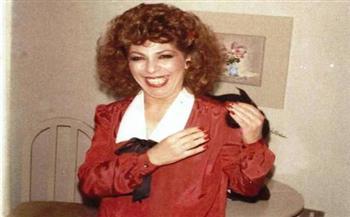
Ferial Karim, the celebrated Lebanese actress and singer known for her comedic timing and versatile performances, remains an iconic figure in the history of Lebanese theater and television. Her career, which spanned several decades, was defined by her ability to bridge the gap between traditional folk performance and modern entertainment, ultimately leaving a lasting impact on the Arab artistic landscape. Karim famously passed away on stage while performing, a moment that solidified her legacy as an artist entirely dedicated to her craft.
Born in the mid-20th century, Karim rose to prominence during the golden age of Lebanese theater. She became a household name through her collaboration with the Rahbani brothers and her prominent roles in the plays of the legendary comedian Ibrahim Marashi, as well as her work with the renowned actor and director Mohamed Chamel. According to historical records from the Al Jazeera arts archives, her career was characterized by a unique blend of sharp wit and authentic Lebanese dialect, which made her characters relatable to audiences across the Arab world.
A Career Defined by Versatility
Karim’s artistic range was expansive. While she is frequently remembered for her comedic roles, she possessed a strong vocal ability that allowed her to excel in musical theater. Her performance style often involved observational humor, drawing from the daily realities of Lebanese social life. This approach allowed her to maintain a deep connection with her audience, as she frequently portrayed archetypes that resonated with the struggles and joys of the average citizen.

Her television career further cemented her status as a cultural icon. She appeared in numerous Lebanese series throughout the 1970s and 1980s, a period often cited by critics as a flourishing era for local television production. By utilizing the medium of television, Karim reached viewers far beyond the physical constraints of the theater stage, ensuring her sketches and songs became embedded in the national consciousness.
The Final Performance
The circumstances of Ferial Karim’s death are frequently recounted in Lebanese cultural history as a testament to her devotion to the theater. On July 4, 1988, while performing on stage at the Casino du Liban, she suffered a heart attack that led to her collapse in front of her audience. She was pronounced dead shortly thereafter, an event that shocked the nation and the regional artistic community. This tragic moment marked the end of a prolific career, yet it also transformed her final hours into a symbol of the ultimate sacrifice for the arts.

Details regarding her passing have been documented by several regional media outlets, including reports from An-Nahar, which have periodically revisited her contributions to the Lebanese stage. Her death signaled a shift in the local theater scene, as many of her contemporaries recognized that her departure marked the end of a specific era of Lebanese comedy that relied heavily on the interaction between the performer and the live audience.
Legacy and Cultural Impact
Decades after her passing, Ferial Karim is still studied by students of performing arts in the Middle East. Her influence persists through the archives of her television appearances and the memories of those who witnessed her live performances. She is often cited as a pioneer for women in Lebanese comedy, having navigated a male-dominated industry to carve out a space where she could lead with her own voice and creative vision.

The preservation of her work remains a priority for many Lebanese cultural institutions. While much of the early film and theater footage from the mid-20th century faces challenges regarding digital restoration, the cultural memory of Karim’s sketches continues to circulate through social media and retrospective broadcasts. Her ability to remain relevant long after her death underscores the enduring power of her performance style, which prioritized human connection over spectacle.
For those interested in exploring the evolution of Lebanese theater, the works involving Ferial Karim serve as a primary reference point. Her career provides a window into the social and political climate of Lebanon during the latter half of the 20th century, reflecting the resilience and creativity of the artistic community during challenging times. Readers are encouraged to share their memories or insights regarding her most memorable performances in the comments section below.