
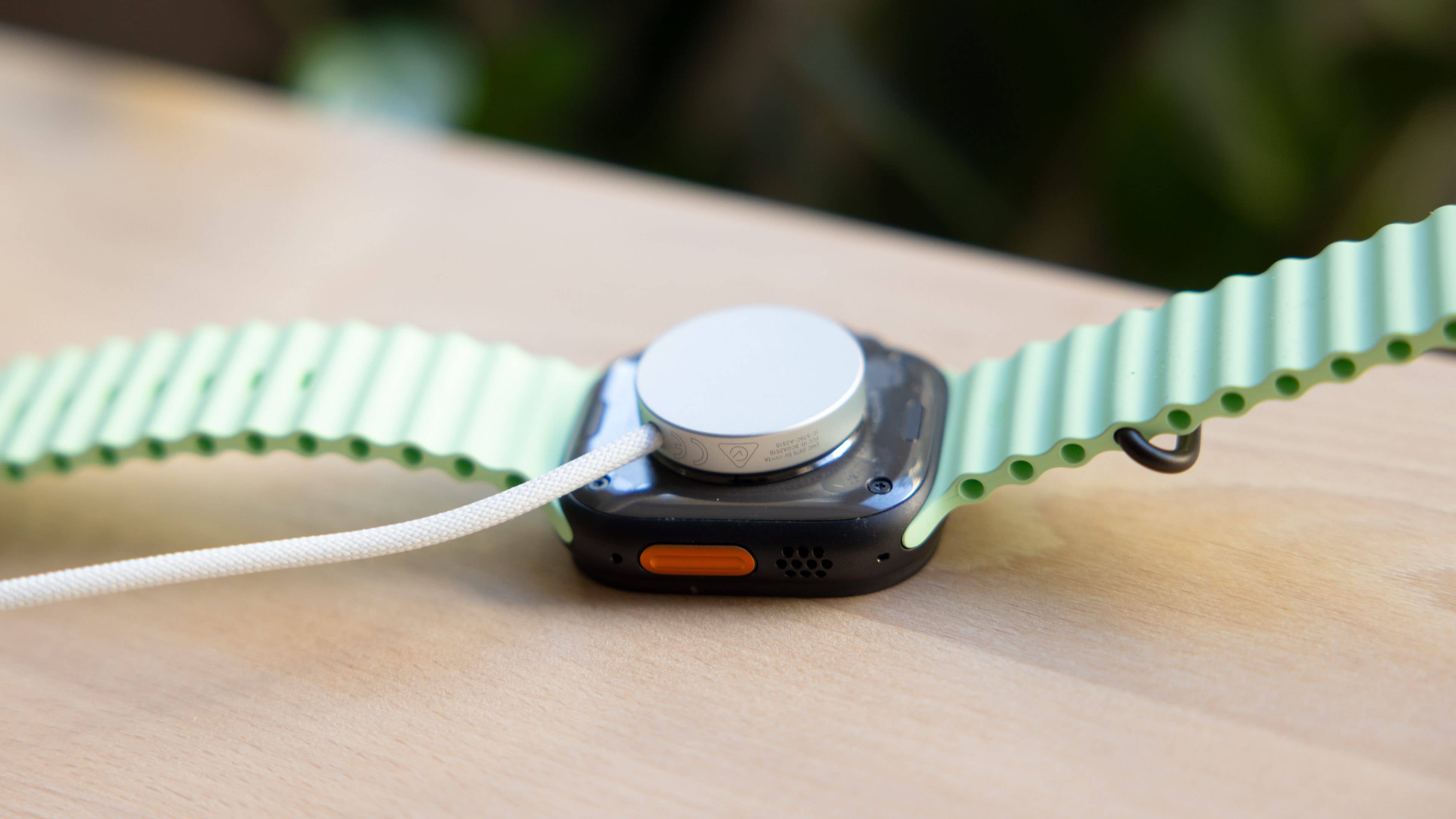
Maximizing Your Smartwatch Charging Speed & Battery Health
You rely on your smartwatch to stay connected, track fitness, and simplify your day. But a slow charge can be frustrating. Fortunately, optimizing your charging habits can significantly improve speed and extend your device’s lifespan. Here’s a comprehensive guide to getting the most out of every charge.
Understanding Lithium-Ion Battery Behavior
Lithium-ion batteries, the power source for most smartwatches, are sensitive to heat and charging habits. Understanding these sensitivities is key to maximizing performance. Heat is a major enemy,increasing internal resistance and potentially throttling or stopping the charging process to prevent damage. Prolonged exposure to high temperatures also accelerates battery aging and,in extreme cases,can even cause cell swelling.
Optimizing Your Charging Environment
Where and how you charge your smartwatch matters. Follow these guidelines for optimal results:
* Prioritize Coolness: Choose a cool, well-ventilated location.
* Avoid Direct sunlight: Never charge your device in direct sunlight.
* Skip soft Surfaces: Don’t place your smartwatch on soft surfaces like blankets or pillows, as these trap heat.
* Stay Below 86°F (30°C): Ideally, keep the ambient temperature below 86° Fahrenheit.
* Distance from Heat Sources: Keep your smartwatch away from heaters or other heat-generating appliances.
Smart Charging Practices for Speed & Longevity
Beyond the environment, your charging practices play a crucial role. Consider these tips:
- Let it Cool down First: Avoid charging immediately after intense activity like GPS workouts or streaming music.Allow the device to cool to room temperature first.
- Use the Right Charger: Always use the charger that came with your smartwatch or a certified replacement. Using incompatible chargers can damage the battery.
- Consider a Charging Stand: A charging stand can improve airflow around the device, helping to dissipate heat.
- Partial Charges are Beneficial: Unlike older battery technologies, lithium-ion batteries don’t suffer from “memory effect.” Frequent, partial charges are actually better for long-term battery health than letting it drain entirely.
- Optimize Software Settings: Check your smartwatch’s settings for battery optimization features. These can limit background activity and extend battery life between charges.
The Impact of Fast Charging
Fast charging is convenient, but it generates more heat. While modern smartwatches are designed to handle this,it’s even more critically important to follow the environmental guidelines above when using fast charging. If your room is already warm, charging will naturally slow down to protect the battery.
Troubleshooting Slow Charging
If you’re still experiencing slow charging, consider these potential issues:
* Check the Charging Port: Ensure the charging port on your smartwatch is clean and free of debris.
* Inspect the Cable: Examine the charging cable for any signs of damage.
* restart Your Device: A simple restart can sometimes resolve software glitches that may be affecting charging.
* Update Software: Ensure your smartwatch’s software is up to date. Updates frequently enough include battery management improvements.
Extending Your Smartwatch’s Battery Life
Proactive battery care extends the overall lifespan of your device.Here are some key habits:
* Manage Display Brightness: Lowering the screen brightness significantly reduces power consumption.
* Limit Notifications: Reduce the number of apps sending notifications to your smartwatch.
* disable Unused Features: Turn off features you don’t use, such as always-on display or continuous heart rate monitoring.
* Regularly Update Software: Software updates frequently enough include battery optimization improvements.
Final Thoughts
Implementing these simple adjustments can dramatically improve your smartwatch charging experience. You’ll notice faster charging times and contribute to the long-term health of your device’s battery. These practices are especially beneficial for older smartwatches where battery efficiency naturally declines over time.
What charging habits work best for you? Share your tips and experiences – let’s help each other get the most out of our wearables.





