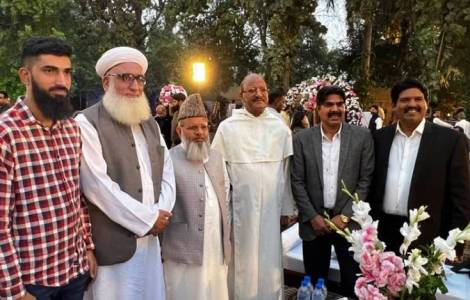
The Catholic Church in Pakistan is intensifying its commitment to interreligious dialogue and social development, according to Father James Channan, a prominent figure in the Dominican order and a long-time advocate for peace in the region. As the director of the Peace Center in Lahore, Father Channan emphasizes that the Catholic community’s primary objective remains the promotion of social harmony, educational advancement, and the protection of fundamental human rights within a national framework that remains predominantly Muslim.
This strategic focus comes at a time when religious minorities in Pakistan continue to face significant systemic challenges, including the ongoing debate surrounding blasphemy laws and the broader protection of minority rights as outlined by the Human Rights Commission of Pakistan. Father Channan’s work, which spans decades of engagement between Christian and Muslim scholars, seeks to mitigate these tensions through structured grassroots initiatives and high-level theological exchanges.
Expanding the Scope of Interreligious Dialogue
Interreligious dialogue in Pakistan has evolved from basic academic discussions into practical, community-based programs. Father Channan, who has been a consistent voice for reconciliation, argues that the current climate requires more than just symbolic gestures. The Peace Center in Lahore serves as a hub for these activities, organizing workshops that bring together religious leaders from various denominations to address local disputes before they escalate into broader sectarian conflicts.
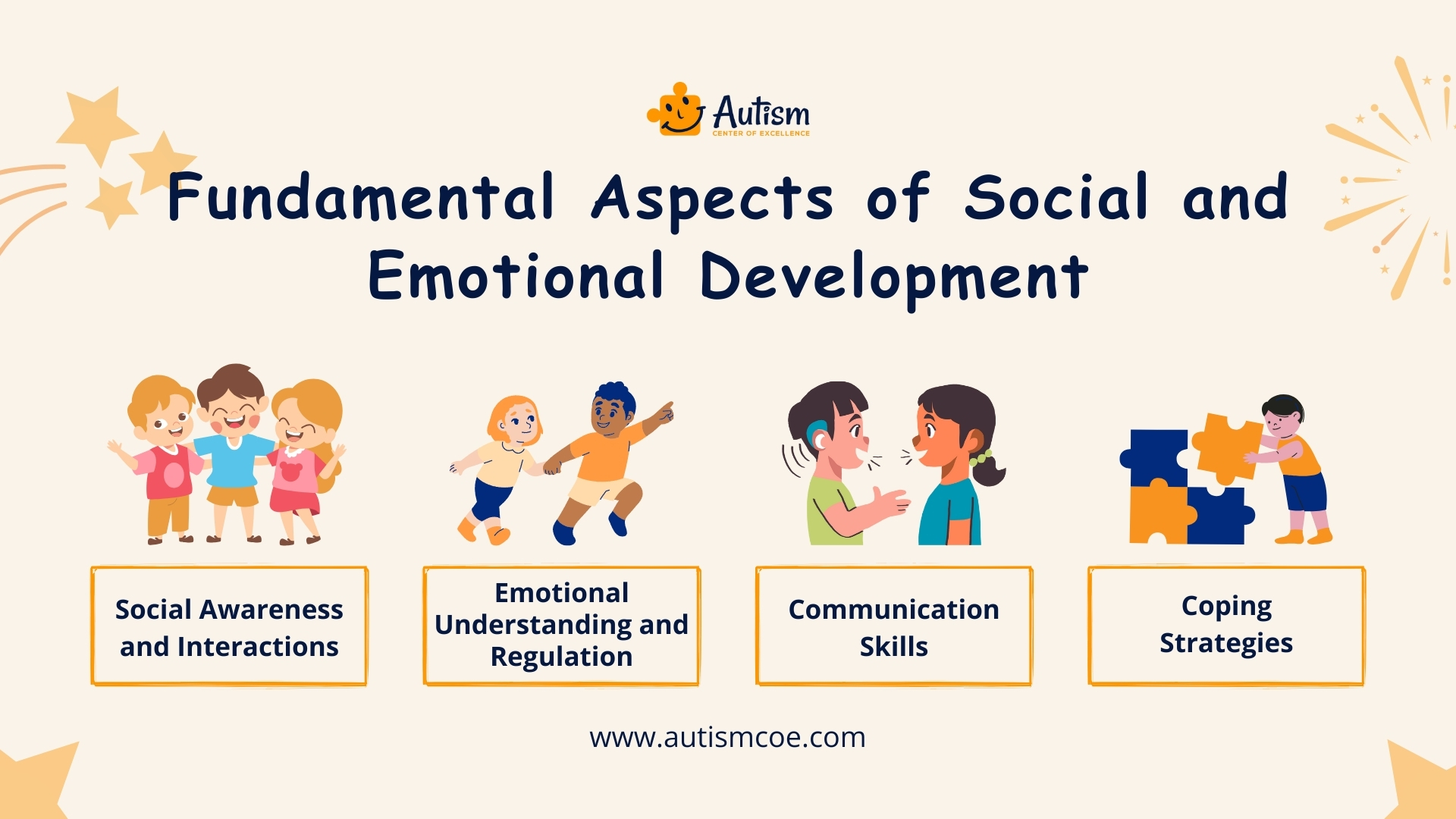
According to reports from the Vatican News service, the Catholic Church’s approach is increasingly centered on “social formation.” This involves training youth from different religious backgrounds to collaborate on projects related to environmental protection and civic education. By shifting the focus toward shared societal goals, the Church aims to create a neutral space where personal relationships can transcend religious identity, ultimately fostering a more tolerant public discourse.
Addressing Social and Educational Challenges
Education remains a cornerstone of the Church’s social mission. Catholic institutions in Pakistan, including schools and vocational training centers, provide services to students regardless of their religious affiliation. This inclusivity is a deliberate policy designed to challenge stereotypes and build trust within local neighborhoods.
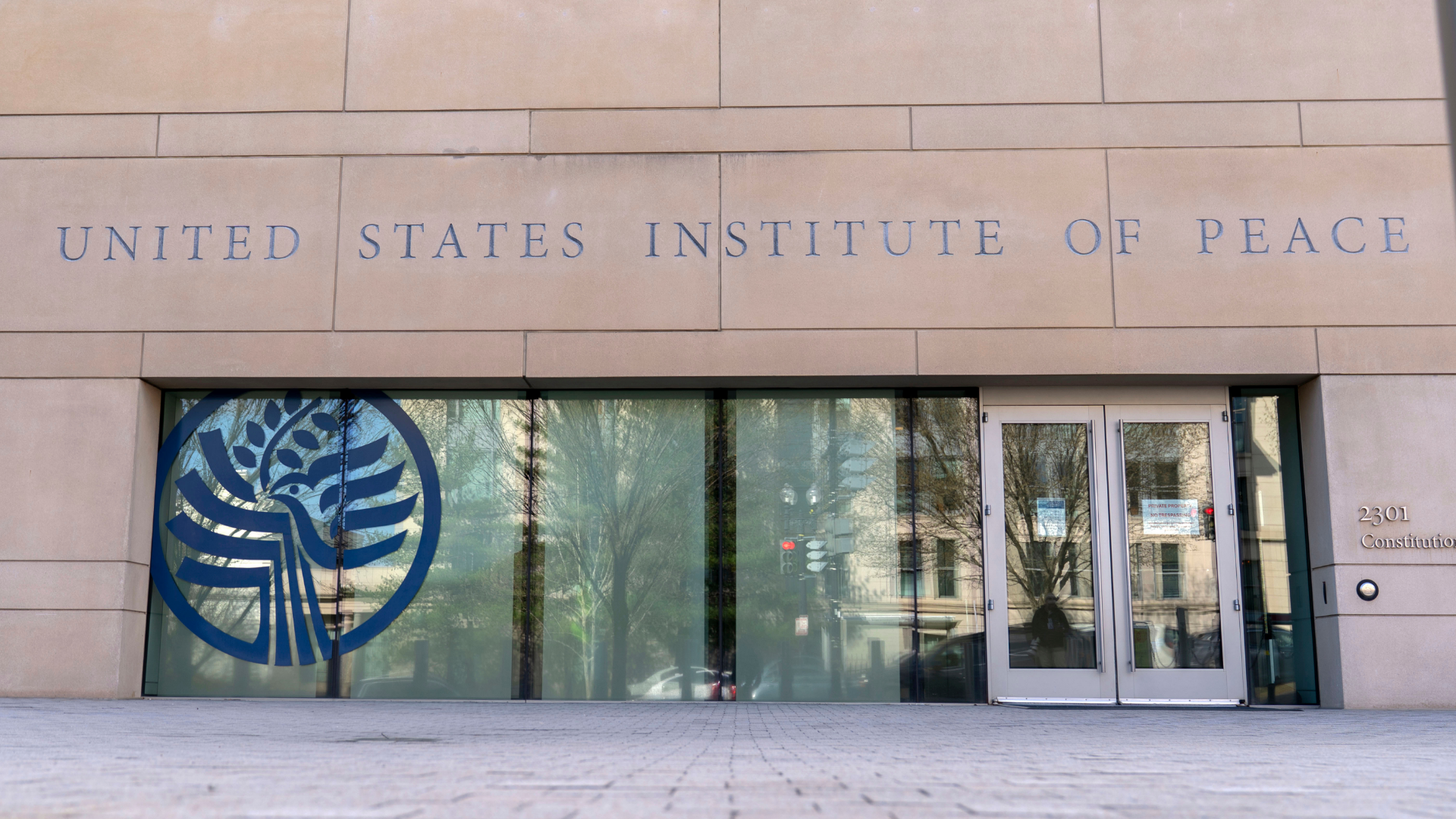
Data from the United States Institute of Peace indicates that educational outreach is one of the most effective tools for reducing religious intolerance in South Asia. By providing quality education to marginalized populations, the Church not only assists in economic upliftment but also equips young people with the critical thinking skills necessary to resist extremist rhetoric. Father Channan has frequently noted that the Church’s role in Pakistan is not merely one of charity, but of nation-building through the empowerment of all citizens.
The Role of Human Rights Advocacy
Protecting the rights of the vulnerable is a central tenet of the Catholic community’s advocacy in Pakistan. This work often involves legal assistance for those accused under controversial laws and lobbying for legislative reforms that ensure equal treatment under the constitution. The United Nations Office of the High Commissioner for Human Rights has regularly documented the vulnerabilities faced by religious minorities in the country, highlighting the importance of sustained advocacy from organizations like the Catholic Church.
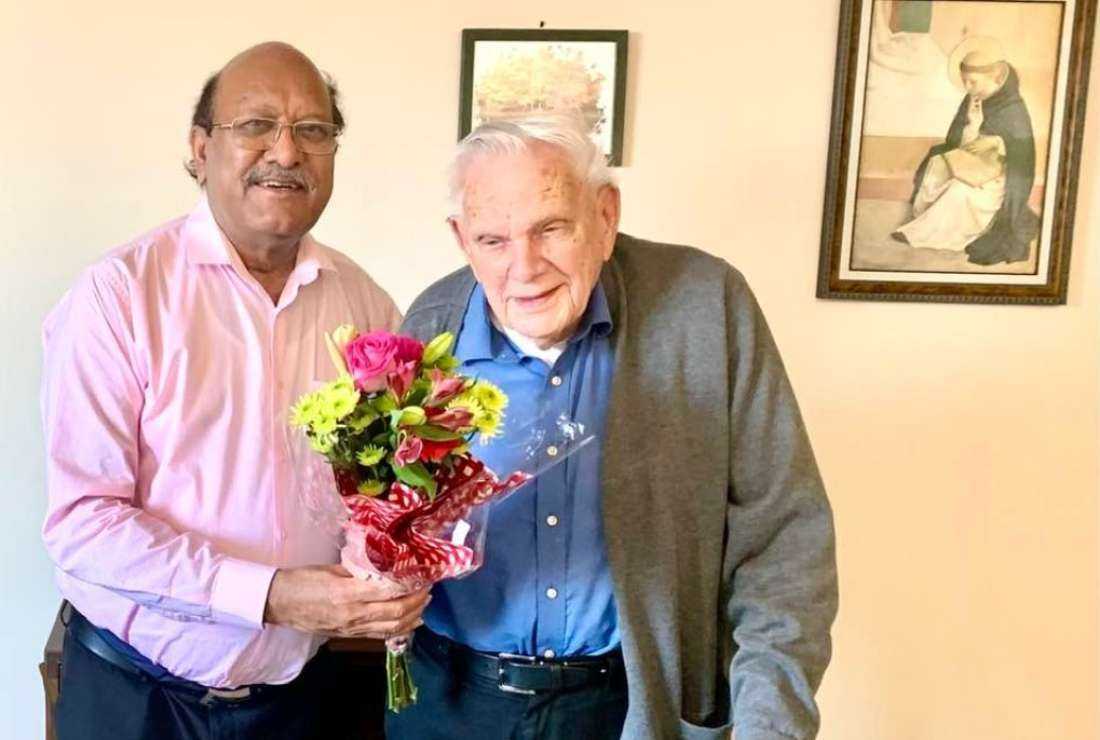
Father Channan’s efforts are closely aligned with these international standards, focusing on the promotion of the Universal Declaration of Human Rights as a common language for peace. By framing human rights as a shared value rather than a Western imposition, the Church has successfully engaged various sectors of Pakistani society in meaningful dialogue about justice and equality.
Looking Ahead: Future Initiatives for Peace
The Catholic Church in Pakistan continues to navigate a complex environment, balancing its religious mission with the realities of a society undergoing significant political and cultural shifts. Future initiatives, as outlined by church leaders, involve expanding the Peace Center’s reach into rural areas where interfaith tensions are often exacerbated by a lack of information and economic instability.

There are no specific legislative changes currently pending that would alter the legal standing of these initiatives, but church observers remain focused on the potential for future policy revisions regarding minority protections. The next major forum for these discussions is expected to be the upcoming interfaith conference scheduled for later this year in Islamabad, where religious leaders will gather to assess the progress of current peace-building programs. Readers interested in following these developments can monitor official updates through the Catholic Bishops’ Conference of Pakistan for the latest statements and community announcements.
We invite our readers to share their thoughts on the role of religious institutions in fostering social cohesion. How do you view the impact of interfaith dialogue in your own community? Please leave your comments below to contribute to the ongoing discussion on global human rights and religious harmony.
Worth a look