
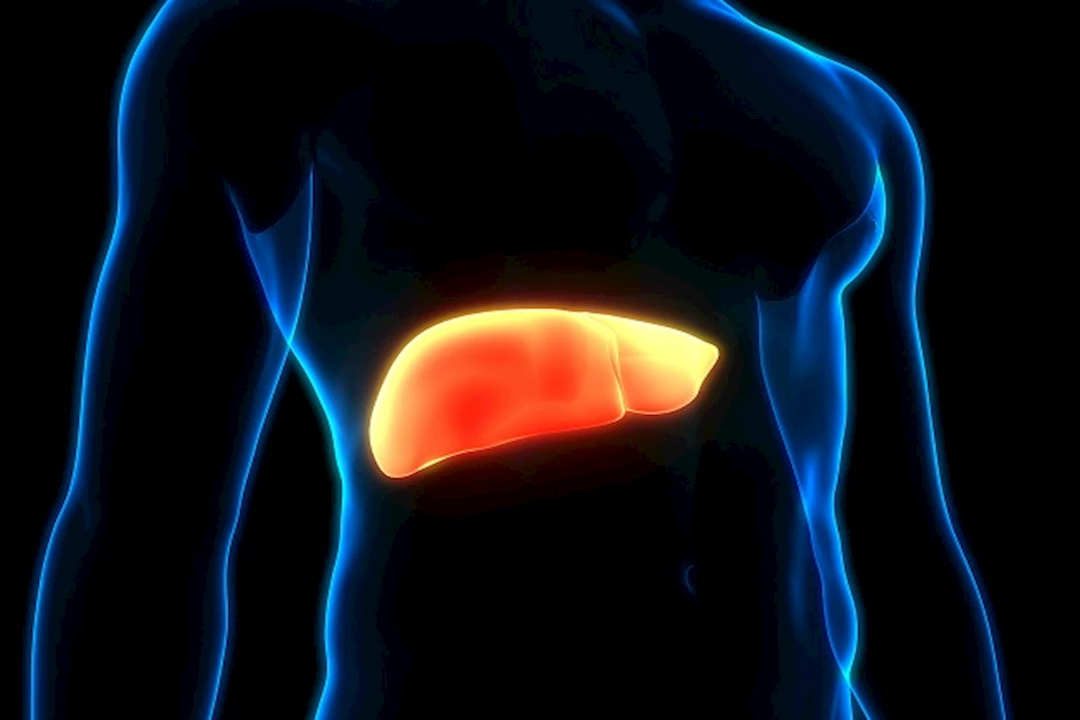
The global health community is facing a quiet but escalating crisis as non-alcoholic fatty liver disease (NAFLD) becomes increasingly prevalent, particularly in regions experiencing rapid dietary shifts. While the world celebrates the eradication of certain viral threats, a new “time bomb” is emerging in the form of metabolic dysfunction, where the liver becomes an unintended reservoir for excess fat.
Recent medical data highlights a staggering trend in Egypt, where a scientific study involving 1,060 cases across 22 governorates revealed that 67.7% of Egyptians suffer from fatty liver. According to Dr. Mona Hegazy, a professor of internal medicine, gastroenterology, and hepatology at Cairo University, this figure represents one of the highest prevalence rates globally ([2]).
This surge in fatty liver disease is not merely a statistic; it is a symptom of a broader public health struggle. The condition, often asymptomatic in its early stages, can silently progress from simple fat accumulation to inflammation, fibrosis, and eventually liver failure or hepatocellular carcinoma (liver cancer) if left unmanaged ([1]).
Understanding the drivers of this epidemic is critical for prevention. The prevalence is closely tied to “metabolic syndrome”—a cluster of conditions including obesity, type 2 diabetes, hypertension, and high triglycerides—alongside a systemic reliance on highly processed “junk food” and sedentary lifestyles ([3]).
The Mechanics of Fatty Liver: Why It Happens
Fatty liver disease occurs when the liver cannot process fat efficiently, leading to the accumulation of triglycerides within the liver cells. While many associate the condition exclusively with obesity, clinical evidence suggests a more complex picture. Dr. Mona Hegazy noted that approximately 22% of individuals with a normal body weight likewise suffer from liver fat, often due to insulin resistance, poor nutrition, or the accumulation of visceral fat in the abdominal area ([2]).
The progression of the disease typically follows a dangerous trajectory. It begins as simple steatosis (fat accumulation), but can evolve into steatohepatitis, where the liver becomes inflamed. This inflammation triggers the growth of scar tissue, known as fibrosis. When the scarring becomes extensive, it leads to cirrhosis, a state where the liver can no longer perform its essential functions, such as detoxifying the blood and producing vital proteins ([1]).
The Role of Metabolic Syndrome
The “metabolic syndrome” mentioned by health experts is a primary driver of this condition. When the body develops insulin resistance, it struggles to regulate blood sugar, leading to higher levels of circulating fats that are then deposited in the liver. This cycle is exacerbated by the modern diet, characterized by high intakes of refined sugars and saturated fats ([3]).
Dietary Triggers and the Danger of Processed Consumption
A critical component of the fatty liver epidemic is the shift toward “modern” eating habits. Medical experts, including Dr. Sayed Al-Mur, a consultant in internal medicine and gastroenterology, identify the reliance on fried foods, fast food, and white sugar as primary catalysts for fat accumulation in the liver ([3]).
Sugary beverages and high-fructose corn syrup are particularly problematic. Fructose is processed almost exclusively by the liver; when consumed in excess, it is rapidly converted into fat, directly fueling the development of non-alcoholic fatty liver disease. This process creates a vicious cycle where the liver becomes overwhelmed by the volume of sugar, leading to increased inflammation and a higher risk of insulin resistance.
Key Factors Contributing to the Spread
- High-Calorie, Low-Nutrient Diets: Regular consumption of junk food and saturated fats without nutritional balance.
- Physical Inactivity: A sedentary lifestyle that prevents the body from burning excess calories and improving insulin sensitivity.
- Weight Distribution: The presence of abdominal obesity, even in individuals who do not appear “obese” by standard BMI measures.
- Co-morbidities: The presence of diabetes and hypertension, which often coexist with and exacerbate liver fat accumulation.
From Steatosis to Systemic Failure: The Risks
The danger of fatty liver disease lies in its “silent” nature. Many patients do not experience symptoms until the liver is significantly damaged. Still, once the disease progresses to the stage of inflammation and fibrosis, the risks increase exponentially. The most severe outcomes include the total failure of liver functions and the development of liver cancer ([2]).
This transition is often accelerated by continued poor dietary choices. The accumulation of lipids in the liver is not just a storage issue; it triggers oxidative stress and the release of pro-inflammatory cytokines, which damage the liver’s cellular architecture. Over time, the liver replaces healthy tissue with scar tissue, leading to a permanent loss of function.
Who is Most at Risk?
While the recent study in Egypt highlights a massive regional spike, the risk is global. Those most vulnerable include individuals with type 2 diabetes, those struggling with obesity, and people with high triglyceride levels. However, the discovery that 22% of normal-weight individuals are also affected serves as a warning that dietary quality and metabolic health are more key than weight alone ([2]).
Preventative Measures and Metabolic Recovery
The good news is that early-stage fatty liver is often reversible. The primary treatment is not pharmacological but behavioral. Reducing the intake of refined sugars, eliminating junk food, and adopting a balanced diet can help the liver shed excess fat and reduce inflammation ([3]).
Physical activity plays a dual role: it helps burn stored calories and improves the body’s response to insulin, which reduces the amount of fat the liver needs to store. Regular exercise, combined with weight management, is the most effective way to prevent the progression from simple steatosis to cirrhosis.
Summary of Risk Factors and Prevention
| Risk Factors (Accelerants) | Protective Factors (Preventatives) |
|---|---|
| High intake of white sugar and fructose | Balanced, nutrient-dense diet |
| Frequent consumption of junk/fried food | Reduction of saturated fats |
| Sedentary lifestyle/Lack of exercise | Regular physical activity |
| Unmanaged diabetes and hypertension | Metabolic health monitoring |
| Abdominal obesity/Insulin resistance | Weight management and visceral fat reduction |
As healthcare systems transition away from treating infectious diseases like Hepatitis C toward managing lifestyle-driven chronic conditions, the focus must shift toward primary prevention. The “time bomb” of fatty liver can be defused through systemic changes in dietary habits and a renewed commitment to metabolic health.
For those concerned about their liver health, the next step is consulting a healthcare provider for metabolic screening and liver function tests to identify the stage of the disease and implement a personalized recovery plan.
Do you have questions about metabolic health or dietary changes? Share your thoughts and experiences in the comments below.