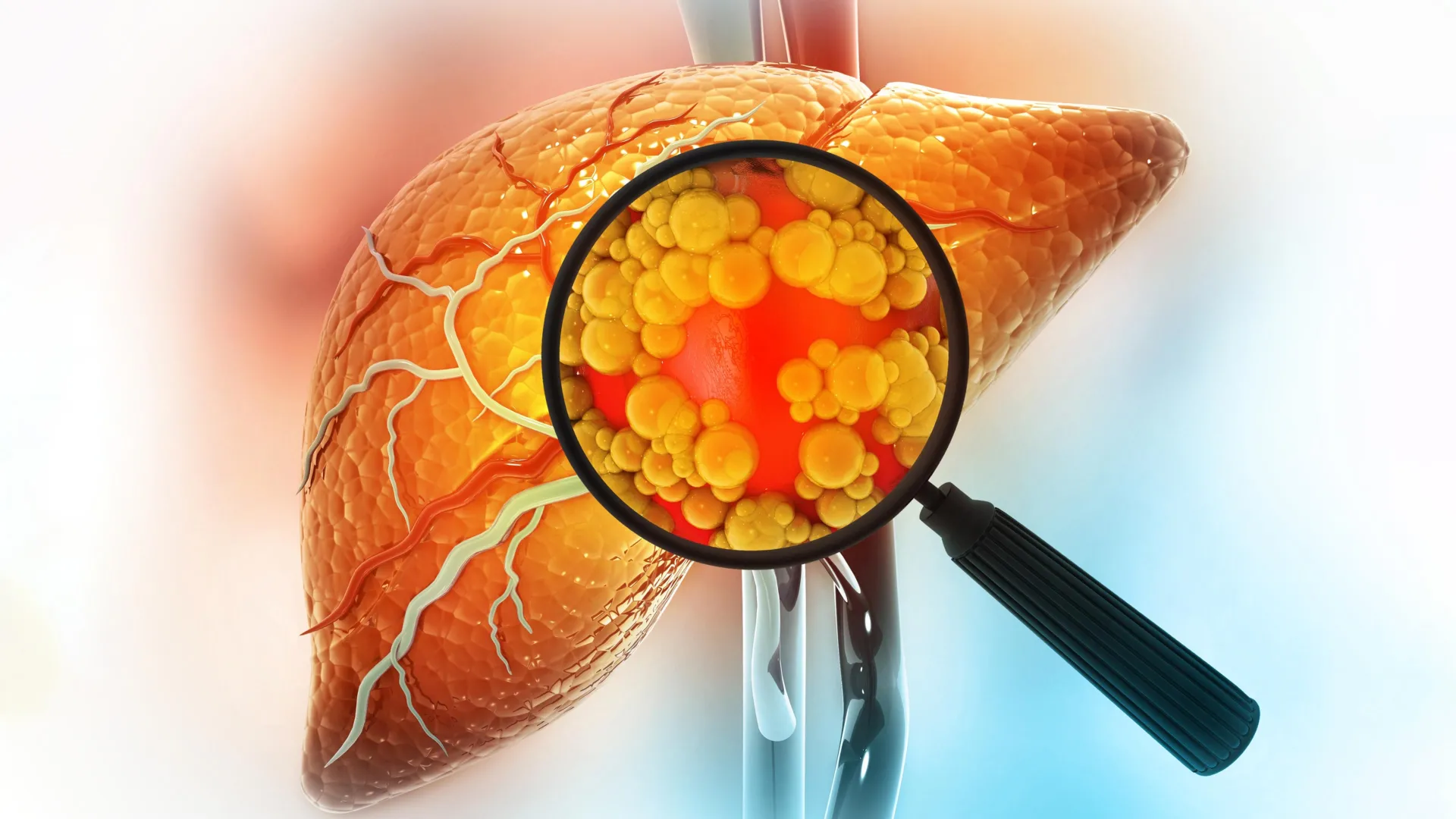
Understanding MASLD: the Deadly Cardiometabolic Risks You Need to Know
Metabolic dysfunction-associated steatotic liver disease (MASLD), formerly known as non-alcoholic fatty liver disease (NAFLD), is now recognized as the most prevalent chronic liver disease globally, impacting over a third of the world’s population. While frequently enough silent in its early stages, MASLD carries critically important health risks, potentially progressing to advanced liver disease, heart complications, and even kidney failure. But what many don’t realize is that not all contributing factors to MASLD are created equal when it comes to thier impact on mortality.
This article delves into the latest research identifying the most dangerous cardiometabolic risk factors associated with MASLD, empowering you with knowledge to proactively manage your health and understand potential risks.
What is MASLD and Why is it a Growing Concern?
MASLD develops when excessive fat accumulates in the liver. This buildup isn’t isolated; it’s intrinsically linked to a cluster of conditions known as cardiometabolic risk factors.These include:
* Obesity: Excess body weight is a primary driver of fat accumulation in the liver.
* Type 2 Diabetes: Insulin resistance, a hallmark of Type 2 diabetes, contributes to both fat buildup and liver inflammation.
* High Blood Pressure (Hypertension): Frequently enough co-occurring with other cardiometabolic conditions, hypertension exacerbates liver damage.
* High Blood Sugar (Hyperglycemia): Elevated blood glucose levels contribute to inflammation and fat deposition.
* Low HDL cholesterol: Frequently enough referred to as “good” cholesterol, low levels of HDL are associated with increased cardiovascular and liver disease risk.
These factors aren’t simply present with MASLD; they actively contribute to its development and progression. The increasing prevalence of these conditions, driven by lifestyle factors like diet and lack of exercise, is fueling the global rise in MASLD cases.
The Most Lethal Cardiometabolic Threats in MASLD
Recent research from Keck Medicine of USC, published in Clinical Gastroenterology and Hepatology, has pinpointed the three cardiometabolic risk factors that pose the greatest threat to life for individuals with MASLD:
- High Blood Pressure: This condition elevates the risk of death by a striking 40%. Surprisingly, the study revealed hypertension to be a more significant mortality risk than diabetes - a finding that challenges previously held assumptions.
- Pre-Diabetes or Type 2 Diabetes: These conditions increase the risk of death by 25%.The link between impaired glucose metabolism and MASLD progression is well-established, but this study quantifies the considerable impact on mortality.
- Low HDL Cholesterol: Low levels of this protective cholesterol increase the risk of death by 15%.HDL plays a crucial role in removing cholesterol from the arteries and liver, and its deficiency contributes to disease progression.
Importantly,these risks were independent of the number or combination of other cardiometabolic factors present. This means that even if someone has multiple risk factors, these three consistently demonstrated the strongest association with mortality, irrespective of gender, age, race, or ethnicity.
“MASLD is a complicated disease, and this study sheds new light on where doctors may want to focus their efforts when treating patients,” explains Dr. Norah A. Terrault,a hepatologist with Keck Medicine and senior author of the study. “Knowing which aspects of MASLD might lead to poorer outcomes can help us offer patients the best possible care.”
The role of Obesity and Multiple Risk Factors
While high blood pressure, diabetes, and low HDL cholesterol emerged as the most potent individual threats, the study also highlighted the dangers of obesity and the cumulative effect of multiple risk factors.
* Obesity & BMI: The study confirmed that obesity considerably raises mortality risk, with the level of risk directly correlating to a patient’s Body Mass Index (BMI). Higher BMI equates to a greater association with death.
* Cumulative Risk: For each additional cardiometabolic risk factor present in a MASLD patient, the risk of death increased by 15%. This underscores the importance of a holistic approach to managing MASLD,addressing all contributing factors,not just one or two.
How Was This Research Conducted?
The findings are based on a robust analysis of data from the National Health and Nutrition Examination Survey (NHANES), a comprehensive source of health details collected from a nationally representative sample of over 134,515 U.S. adults between 1988 and 2018. Researchers identified approximately 21,000 participants who met the criteria for MASLD and meticulously tracked all-
Related reading
- DOJ Shifts Olmstead Enforcement: What It Means for HCBS Providers
- Implementing Dental Health Rooms in Elementary and Special Education Schools: Legal Basis and Staffing
- Phil Collins Reveals Near-Fatal Organ Failure After Years of Alcohol Abuse (time.news)
- Virginia Tech Study Reveals New Patterns in Storm Surge Behavior (newsdirectory3.com)