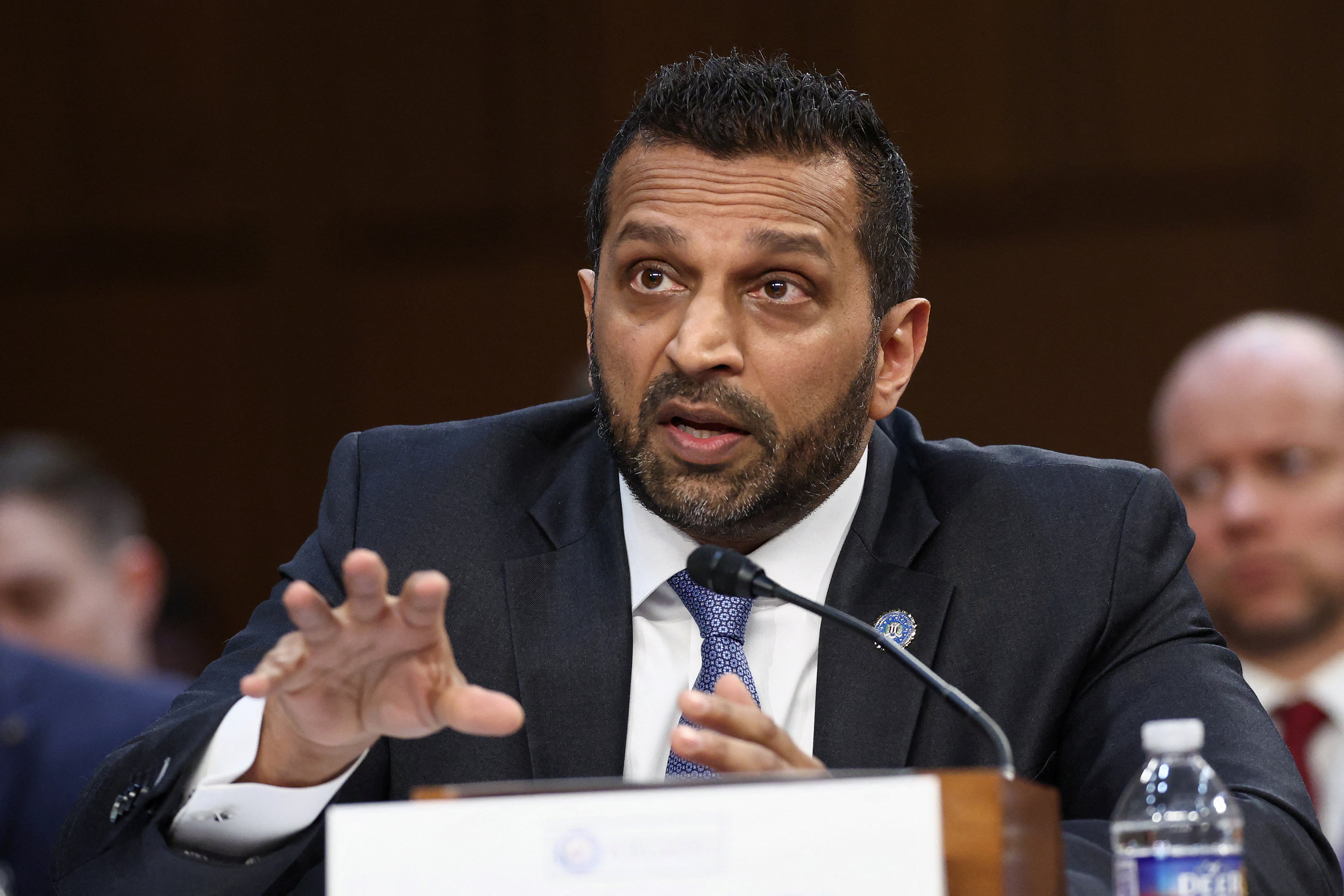
The FBI’s practice of purchasing commercially available data, potentially including location information of Americans, has sparked a heated debate over privacy rights and government surveillance powers. The revelation, confirmed by FBI Director Kash Patel during a Senate hearing on March 18, 2026, raises concerns about the Fourth Amendment and the increasing accessibility of personal data in the digital age. This practice allows the agency to circumvent traditional warrant requirements for obtaining such information from cell service providers, a process established following the 2018 Supreme Court ruling in Carpenter v. United States.
Director Patel defended the FBI’s actions, stating that the agency purchases data “consistent with the Constitution and the laws under the Electronic Communications Privacy Act,” and that this information has proven valuable in intelligence gathering. However, critics argue that this approach represents an complete-run around established legal protections and poses significant risks to civil liberties, particularly given the increasing sophistication of artificial intelligence used to analyze vast datasets. The core issue revolves around the balance between national security and individual privacy in an era where location data is readily available for purchase.
The FBI’s decision to buy data rather than seek warrants, as mandated by Carpenter v. United States, has drawn sharp criticism from lawmakers. The 2018 Supreme Court case established that the government generally needs a warrant to obtain cell-site location records (CSLR) that detail a mobile device’s past movements. This ruling aimed to protect the privacy of individuals by requiring law enforcement to demonstrate probable cause and obtain judicial approval before accessing sensitive location data. However, the FBI’s current practice bypasses this requirement by acquiring the same information from data brokers, who collect it from various sources, including smartphone apps.
Concerns Over Fourth Amendment Rights and Data Privacy
Senator Ron Wyden (D-Ore.) voiced strong opposition to the FBI’s data purchasing practices during the Senate Intelligence Committee hearing. He argued that acquiring location data without a warrant is “an outrageous end run around the Fourth Amendment,” which protects against unreasonable searches and seizures. Wyden emphasized the dangers of using artificial intelligence to comb through massive amounts of private information, potentially leading to unwarranted surveillance and profiling of citizens. The Fourth Amendment, ratified in 1791 as part of the Bill of Rights, is a cornerstone of American legal protections against government overreach.
The Electronic Communications Privacy Act (ECPA) of 1986, which Patel cited as justification for the FBI’s actions, was originally designed to address privacy concerns related to electronic communications. However, critics argue that the ECPA has not kept pace with the rapid advancements in data collection and tracking technologies. The law has been amended several times since its enactment, but concerns remain about its adequacy in protecting privacy in the digital age. The debate centers on whether the ECPA’s provisions are sufficient to regulate the purchase and leverage of commercially available data by law enforcement agencies.
The availability of location data from commercial sources has dramatically changed the landscape of surveillance. Data brokers collect information from a variety of sources, including smartphone apps, social media platforms, and publicly available records. This data is then aggregated and sold to various entities, including law enforcement agencies. The business model of these data brokers relies on the collection and monetization of personal information, raising ethical concerns about the commodification of privacy. The lack of transparency surrounding data collection practices and the potential for misuse of this information are key concerns for privacy advocates.
Patel’s Past Controversies and Broader Government Surveillance
The controversy surrounding Patel’s confirmation of the FBI’s data purchasing practices is further complicated by his history of questionable actions. Reports have surfaced regarding his ordering of SWAT protections for his girlfriend and his involvement in celebratory events at the recent Winter Olympics, raising concerns about potential abuses of power. The Latest York Times detailed these incidents in February 2026, highlighting a pattern of behavior that has drawn scrutiny from lawmakers and the public. These past actions contribute to a broader narrative of potential overreach and disregard for ethical boundaries.
Beyond the FBI, other government agencies have also faced criticism for their surveillance practices. The Department of Homeland Security (DHS) is currently facing legal challenges for allegedly illegally tracking protestors at immigration raid demonstrations. NPR reported on February 23, 2026, that the lawsuit alleges DHS used biometric data to monitor and identify individuals participating in protests. Similarly, the Pentagon recently labeled Anthropic, an artificial intelligence company, as a supply-chain risk after the company refused to allow its products to be used for mass surveillance of Americans. Engadget covered this development on March 15, 2026, highlighting the growing tension between government demands for access to AI technology and concerns about privacy and civil liberties.
The Role of Data Brokers and the Commercial Data Ecosystem
The FBI’s ability to purchase location data from data brokers underscores the growing power and influence of the commercial data ecosystem. Companies like X-Mode Social, previously known for collecting location data from mobile apps, have faced scrutiny for their practices. While X-Mode Social ceased operations in 2021, other data brokers continue to thrive, collecting and selling vast amounts of personal information. The lack of regulation in this industry allows for the widespread collection and sale of sensitive data, raising concerns about privacy and security.
The data purchased by the FBI can include precise location information, travel patterns, and even details about individuals’ routines and associations. This information can be used to track individuals’ movements, identify potential suspects, and build profiles of individuals of interest. The potential for misuse of this data is significant, particularly in the absence of robust oversight and accountability mechanisms. The ability to track individuals’ movements raises concerns about chilling effects on freedom of speech and assembly.
Legislative Efforts and Potential Reforms
Senator Wyden is among a growing number of lawmakers pushing for an overhaul of the laws governing government access to personal information. He advocates for stricter regulations on the sale of location data and a requirement for warrants before law enforcement agencies can access such information. The debate over these reforms is likely to intensify in the coming months, as lawmakers grapple with the challenges of balancing national security and individual privacy.
Proposed legislative changes could include amendments to the ECPA to address the unique challenges posed by the commercial data ecosystem. These amendments could clarify the circumstances under which law enforcement agencies can purchase location data and establish stricter requirements for data security and privacy. Other potential reforms include strengthening oversight mechanisms and increasing transparency about government surveillance practices. The goal is to create a legal framework that protects individual privacy while allowing law enforcement agencies to effectively investigate and prevent crime.
Key Takeaways
- The FBI has confirmed it is purchasing commercially available data, including potentially location information, without necessarily obtaining a warrant.
- This practice raises concerns about Fourth Amendment rights and the erosion of privacy protections.
- Senator Ron Wyden and other lawmakers are advocating for reforms to limit government access to personal data.
- The commercial data ecosystem and the role of data brokers are central to the debate.
- Past controversies surrounding FBI Director Kash Patel add to the scrutiny of the agency’s actions.
The debate over the FBI’s data purchasing practices is likely to continue as lawmakers and privacy advocates grapple with the implications of this evolving technology. The next step in this process will be further scrutiny from the Senate Intelligence Committee and potential legislative action to address the concerns raised. The outcome of this debate will have significant implications for the future of privacy and surveillance in the United States. We encourage readers to share their thoughts and engage in a constructive dialogue about these key issues in the comments below.
Keep reading