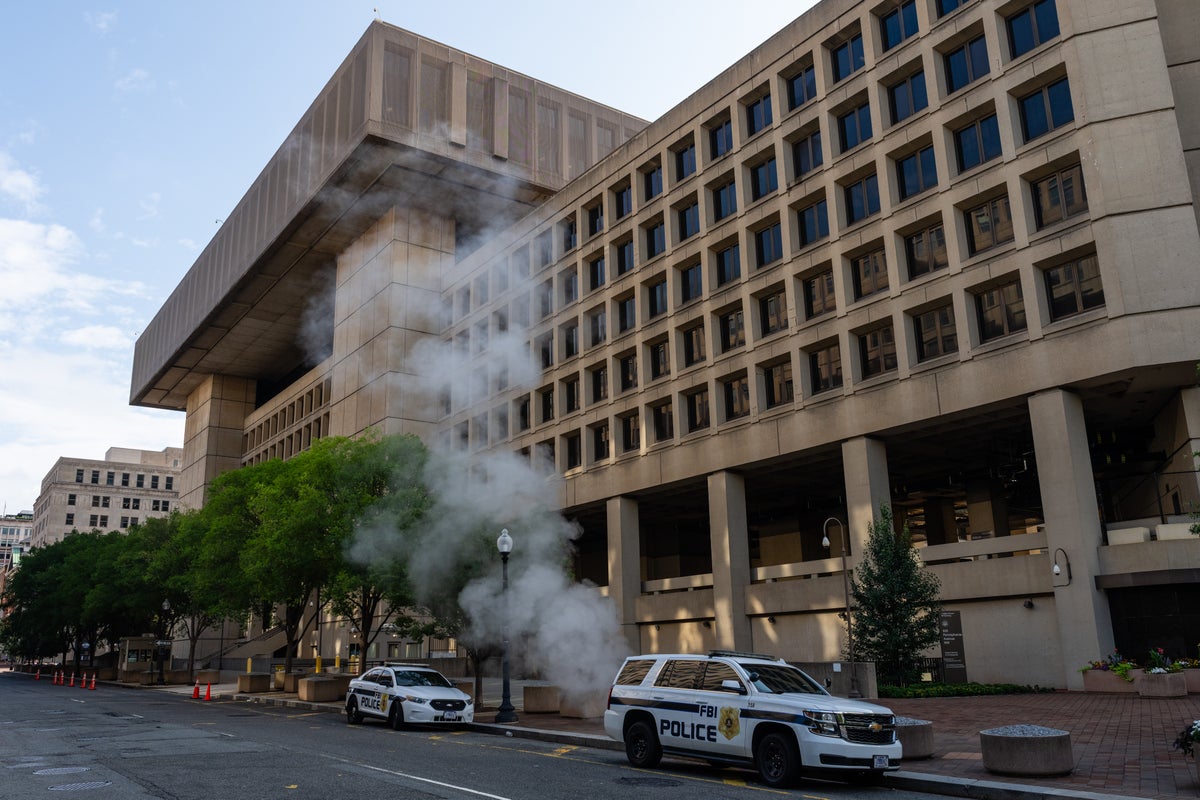
Federal Presence in Washington D.C. Raises Concerns Over Authority and Local Control
Recent increased federal law enforcement activity in Washington D.C. is sparking debate about the appropriate level of federal intervention in local affairs. The situation centers around a visible deployment of resources, even as local officials maintain the city doesn’t face a current crime surge. This article delves into the complexities of jurisdiction, the concerns raised by D.C. leadership, and the broader implications for the balance of power between the federal government and the nation’s capital.
Understanding the Layers of Jurisdiction
Typically, maintaining order in the nation’s capital involves a multi-layered approach. The U.S. Park Police and the Secret Service frequently handle security duties, notably around federal monuments and buildings. However, the FBI’s role is usually supportive, working alongside local law enforcement rather than leading patrol efforts.
It’s vital to remember that Washington D.C. operates under a unique political structure. While residents elected their own mayor and city council following the 1973 Home Rule Act, the federal government retains significant control. This dynamic allows for greater federal authority than in other cities,even amidst protests from local leaders.
Concerns from D.C. Officials
Mayor muriel Bowser has publicly stated that Washington D.C. is “not experiencing a crime spike.” She points to data showing a 26% decrease in violent crime in the first seven months of the year compared to 2023, and an overall crime reduction of roughly 7%.
Bowser expressed concern that the increased federal presence may be intended as a show of force. She believes this isn’t driven by a genuine public safety crisis, but rather a demonstration of power. You might be wondering why this matters – it underscores the delicate balance between federal oversight and local autonomy.
Limited Local Control: As D.C. isn’t a state, its ability to resist federal intervention is limited.
Unusual Use of Power: A federal takeover of the D.C. police department would represent an unprecedented step. Focus on Perception: The situation raises questions about whether the federal response is based on actual crime statistics or political messaging.
The Trump Administration and Federal Deployment
According to reports from The Washington Post, top officials within the D.C. police department revealed the Trump administration hadn’t inquired about deploying additional resources. This lack of communication is noteworthy, especially considering the former president’s public commentary on the city.
On Sunday, Donald Trump criticized Mayor Bowser on Truth Social, claiming the city was becoming “dirtier and less attractive.” This statement, coupled with the increased federal presence, fuels speculation about the motivations behind the deployment.
FBI’s Stance and Ongoing Participation
the FBI acknowledged its involvement in the increased law enforcement presence in a statement to The Washington Post. Agents from the Washington Field Office are assisting their partner agencies. Though, the nature and extent of this assistance remain a point of contention.
implications for the Future
This situation highlights a critical issue: the balance of power between the federal government and the District of Columbia. It’s a conversation about self-governance, local control, and the appropriate role of federal intervention in a city with a unique political status.
As you follow this story, consider these key takeaways:
Data-Driven Decisions: Public safety strategies should be based on accurate crime statistics, not political rhetoric.
Respect for Local Authority: federal intervention should be reserved for situations where local authorities are demonstrably unable to maintain order.
Transparency and Communication: Open dialog between federal and local officials is crucial for effective collaboration.
This situation warrants continued scrutiny as it unfolds, and it’s vital to stay informed about the evolving dynamics between the federal government and the nation’s capital.