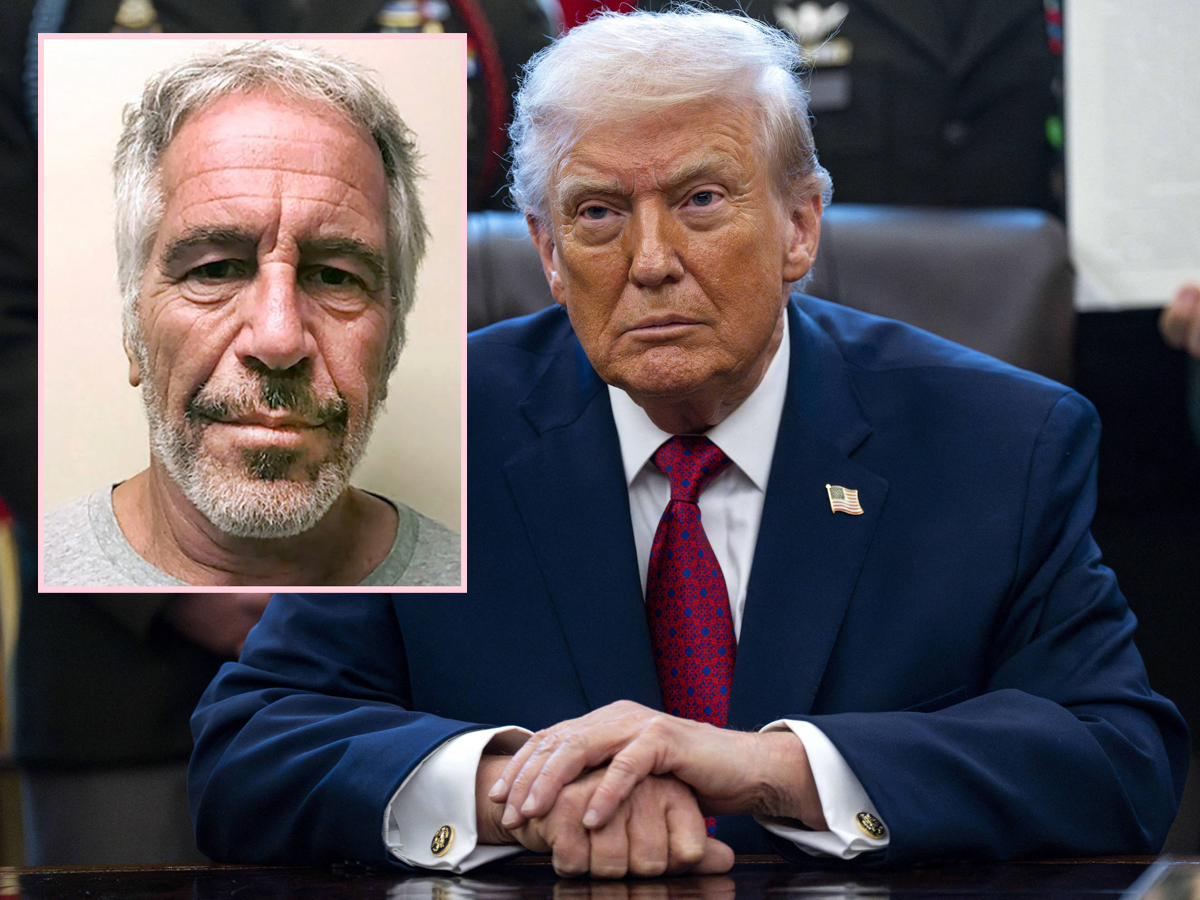
DOJ Declares Epstein-Nassar Letter Fake: why Skepticism Remains High
The department of Justice (DOJ) swiftly declared a letter purportedly written by Jeffrey Epstein to Larry Nassar as inauthentic, just two hours after it’s release within a massive trove of Epstein-related documents. This rapid determination has ignited a firestorm of criticism and fueled deep distrust, leaving many questioning the DOJ’s motives and thoroughness.
The letter, dated December 23, 2025 (a date that itself raised eyebrows), allegedly detailed Epstein’s desire to connect with the convicted sex offender Nassar. While the Associated Press previously reported on the existence of such a letter in 2023, the actual content remained unknown until this recent document dump.
But why the immediate dismissal, and why is the public so unconvinced? Here’s a breakdown of the concerns:
The Speed of the inquiry
Two hours to determine authenticity? Many find this timeframe implausible, especially given the sensitive nature of the document and its potential implications. Critics are asking:
* Was a genuine, extensive investigation even possible in such a short period?
* Why wasn’t this verification conducted before the files were publicly released?
Missing Evidence & Unanswered Questions
The DOJ’s statement has raised more questions than it answered. Key pieces of information are conspicuously absent:
* Handwriting Analysis: the DOJ claims handwriting analysis supports their conclusion, but the actual report remains unreleased. Where are the results?
* Original FBI Investigation: Reports suggest the FBI investigated the letter’s authenticity in 2020. What were those findings,and were they considered?
* Letter’s Inclusion: If the letter was known to be potentially fake,why was it included in the released files in the first place?
Selective Scrutiny & Disappearing Evidence
adding to the skepticism is the DOJ’s approach to addressing claims within the released documents.
* The department has only actively debunked “untrue and sensationalist claims” specifically targeting Donald Trump.This selective response raises concerns about potential bias.
* Notably, a photograph reportedly depicting Trump disappeared from the DOJ website shortly after the files were made public, further eroding trust.
Public Reaction: A Chorus of Doubt
Social media is brimming with criticism, reflecting widespread distrust in the DOJ’s explanation. Here’s a sampling of the sentiment:
* “You completed your investigation in 2 hours?”
* “If it wasn’t authentic, why was it released as part of the files in the first place?”
* “Where’s the FBI document from 2019 concluding that it was fake? A tweet isn’t enough.”
* “The @FBI requested handwriting analysis in 2020.Where are the results?”
* “This seems incredibly important. Was the handwriting assessment included in the release?”
Many believe the DOJ is simply resorting to a blanket “fake news” defense to deflect scrutiny, rather than providing transparent and verifiable evidence.
What Does This Mean for You?
This situation highlights the importance of critical thinking and self-reliant verification when consuming information, especially regarding high-profile cases.The DOJ’s handling of this situation has understandably fueled public cynicism.
As a reader, you deserve transparency and accountability. Demand evidence, ask questions, and don’t accept superficial explanations.
What are your thoughts? Do you find the DOJ’s explanation convincing? Share your perspective in the comments below.
[image via MEGA/WENN, New York Sex Offender Registry]
Disclaimer: This article provides analysis and commentary on publicly available information. It is not intended to be a definitive legal judgment.
Worth a look