
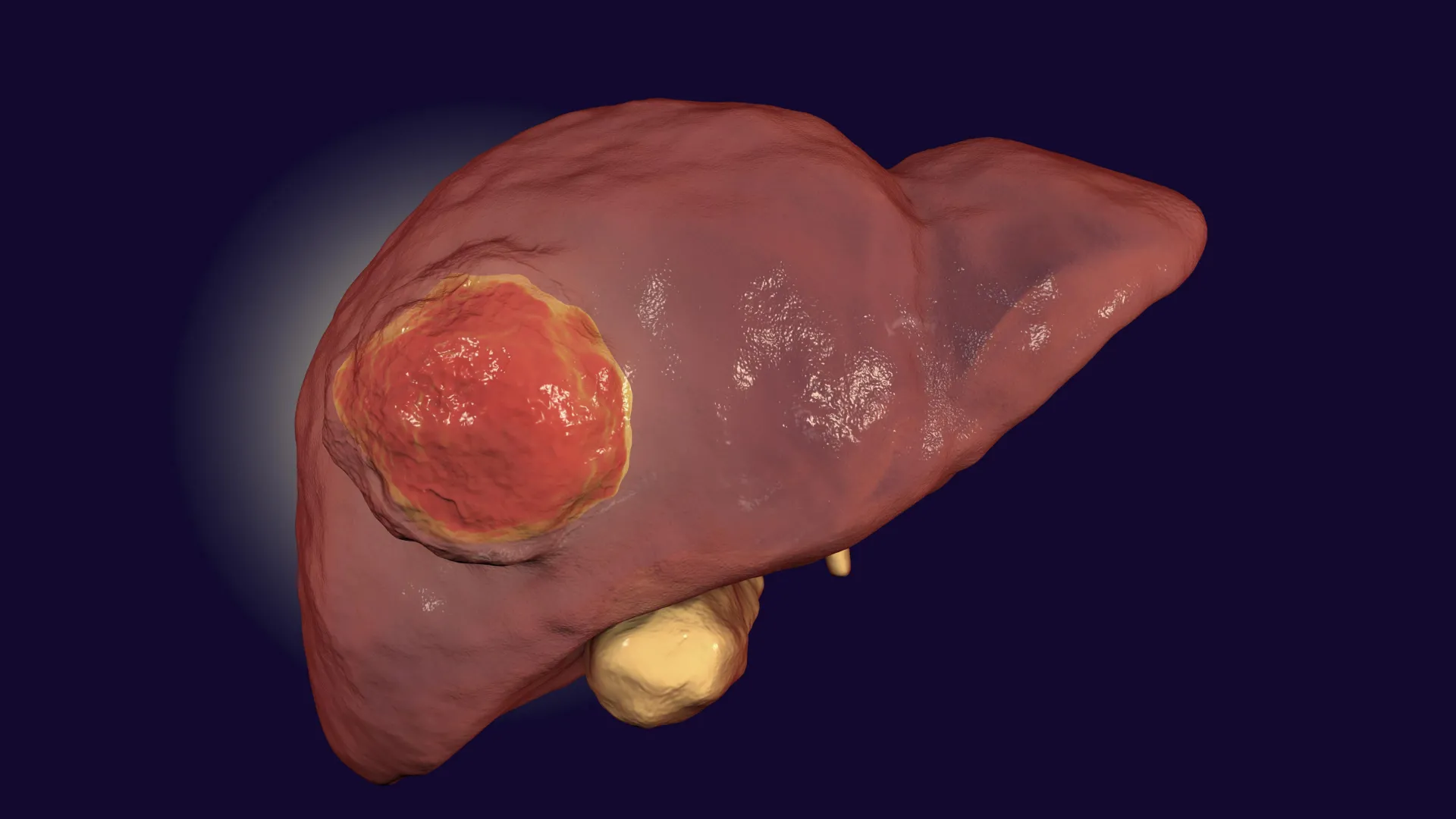
Researchers have identified a mechanism by which certain rare liver cancers evade immunotherapy, potentially paving the way for more effective treatments using existing pharmaceuticals. A study published in Science Immunology reveals that these tumors actively lure immune T cells away from the cancer site, sequestering them within surrounding fibrous tissue to prevent an effective anti-tumor response. Laboratory experiments indicate that the FDA-approved drug plerixafor, known as AMD3100, can mobilize these trapped cells, allowing them to infiltrate the tumor and resume their function of attacking cancerous cells.
This discovery centers on the tumor microenvironment, specifically the role of CXCL12, a protein signaling molecule that acts as a “molecular magnet.” According to the National Cancer Institute, immunotherapy often fails in solid tumors because immune cells cannot physically reach their targets. In this specific context, the fibrous, or “desmoplastic,” tissue surrounding the liver tumor creates a physical and chemical barrier, effectively neutralizing the body’s natural defense mechanisms.
Understanding the Role of the Tumor Microenvironment
The research, led by scientists at the University of California, San Francisco (UCSF), focused on how solid tumors manipulate their surroundings to survive. By analyzing the interaction between immune cells and the fibrous stroma of the tumor, the team observed that the cancer cells secrete high levels of CXCL12. This protein binds to the CXCR4 receptor on T cells, essentially “locking” them in the periphery of the tumor.

“The immune system is ready and willing to fight, but it is being held hostage in the wrong zip code,” said the researchers in their published findings. By utilizing AMD3100—a drug originally developed to mobilize stem cells—the scientists were able to block the CXCR4 receptor. Once the “lock” was broken, the T cells were no longer tethered to the fibrous tissue and were observed migrating into the tumor core to initiate an immune response.
Clinical Implications for Rare Liver Cancers
While the study provides a significant advancement in understanding tumor resistance, it remains in the preclinical stage. The drug AMD3100 (plerixafor) is currently approved by the U.S. Food and Drug Administration (FDA) for use in stem cell transplantation, specifically to move stem cells from the bone marrow into the bloodstream for collection, as noted in official FDA prescribing information.
The application of this drug to cancer therapy represents a repurposing of existing medical technology. Oncology experts emphasize that while the laboratory results are promising, clinical trials are necessary to determine if this mechanism translates to human patients. The primary challenge remains the safety profile of combining such agents with current checkpoint inhibitors, which are the standard-of-care immunotherapies for many liver malignancies.
Future Research and Patient Safety
The researchers are now looking toward identifying biomarkers that could predict which patients might benefit from this combined approach. Because liver cancers are heterogeneous—meaning they vary significantly from patient to patient—not all tumors rely on the CXCL12-CXCR4 axis to exclude immune cells. Precision medicine approaches will be required to ensure that this treatment is directed at the specific subsets of liver cancer that exhibit this “trapping” behavior.

Regulatory pathways for such drug combinations typically involve Phase I or Phase II clinical trials to establish dosing and toxicity. Patients interested in emerging therapies are encouraged to monitor the ClinicalTrials.gov database for updates on upcoming studies related to CXCR4 inhibitors and immunotherapy. It is essential that patients consult with their oncologists before considering any off-label use of medications, as the interaction between immunotherapeutic agents and stem cell mobilizers can have complex effects on the immune system.
As the medical community continues to explore how tumors hide from the immune system, this research underscores the importance of the tumor-stroma interface. Future updates on this study are expected as the research team prepares for further investigation into the long-term efficacy of T-cell mobilization in human subjects. We encourage our readers to share this update with their medical networks and join the conversation in the comments section below regarding the evolving role of immunotherapy in oncology.