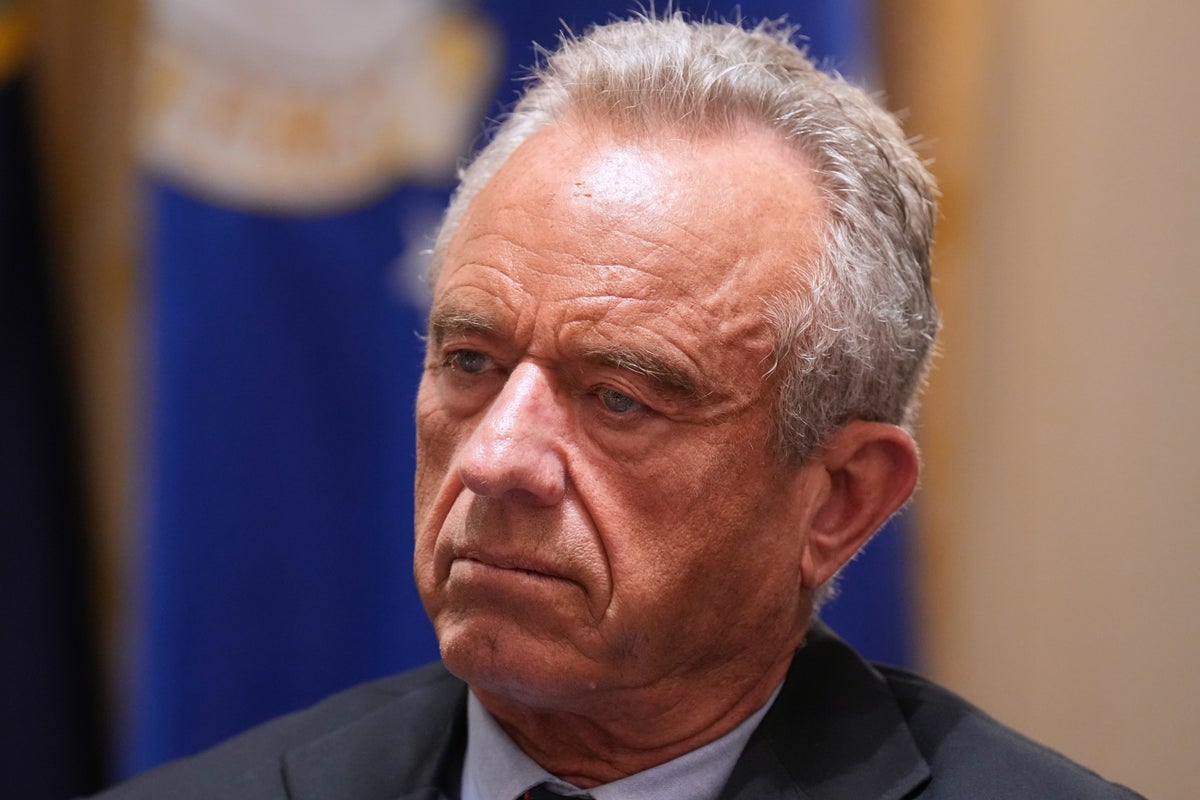
Health advisers convened by the U.S. Food and Drug Administration are reviewing more than a half-dozen unapproved peptide injections, including BPC-157 and TB-500. Backed by Health Secretary Robert F. Kennedy Jr., the two-day Washington meeting weighs whether to ease compounding restrictions despite career scientists warning of sparse safety data and contamination risks.
A high-stakes regulatory clash is underway in Washington as the Food and Drug Administration hosts a two-day meeting to evaluate the safety and compounding status of more than a half-dozen popular synthetic peptides. These unapproved compounds, which include BPC-157 and TB-500, have surged in popularity across wellness circles, fitness platforms, and social media channels despite an absence of rigorous human clinical trials.
Political Momentum Meets Institutional Resistance at the FDA
The review carries the backing of Health Secretary Robert F. Kennedy Jr., a prominent proponent of the Make America Healthy Again agenda who has publicly described himself as a big fan of peptide therapies. Rogan and wellness influencer Gary Brecka, who sells peptide formulations online, have amplified public demand by championing the alternative remedies.
That political momentum has created palpable friction with the agency’s career staff. Regulators reiterated their longstanding safety concerns in a scientific review posted ahead of the hearings, noting that most available data stems from animal studies in rats rather than human trials. Staffers cautioned that the substances present significant risks regarding contamination, allergic reactions, and quality control.
“There aren’t that many other substances people are injecting into themselves where you see that the clinical evidence is so lacking.”
Rita Jew, president of the Institute for Safe Medication Practices
Industry Ties and Conflict of Interest Concerns on the Advisory Panel
The composition of the advisory panel has drawn intense scrutiny from public health advocates. The 20-member outside expert panel initially included at least seven doctors and pharmacists with financial ties to the peptide industry, including wellness clinic owners and compounding pharmacy operators. In response to public criticism over potential conflicts of interest, the agency added several independent academic experts to the panel ahead of the sessions.
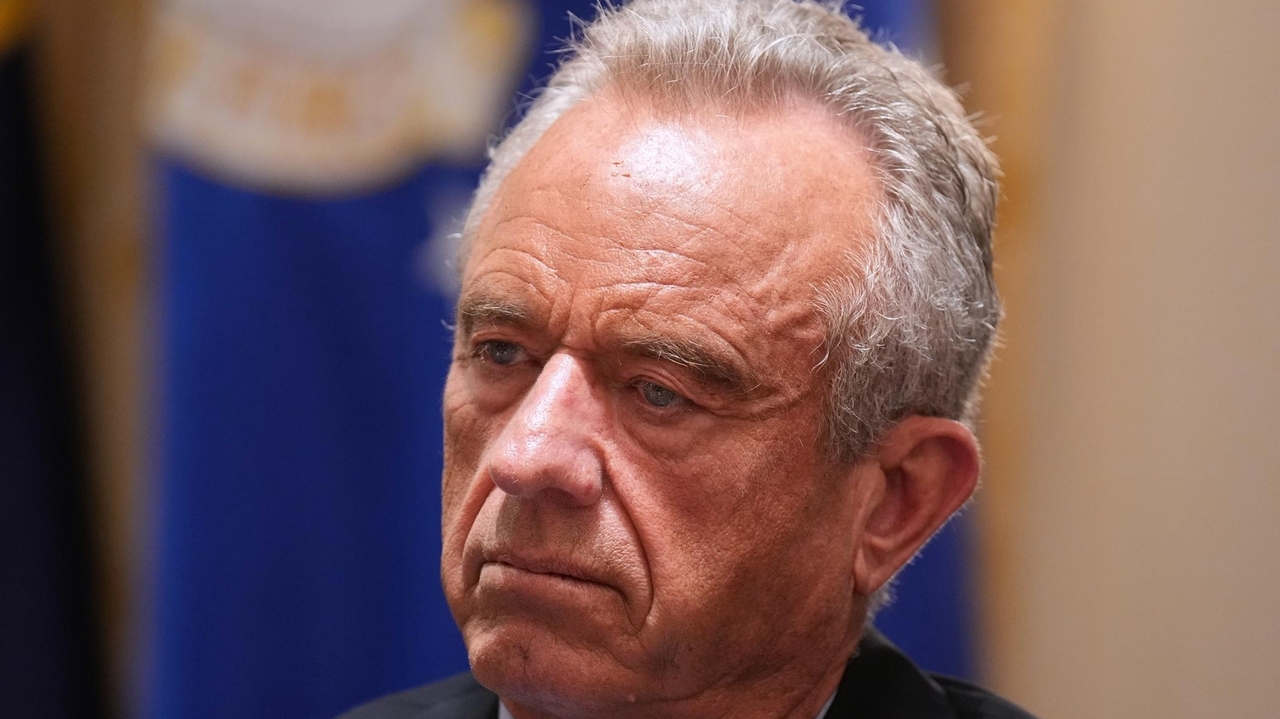
Critics argue that loosening regulations threatens established safety standards. Dr. Peter Lurie, a former FDA official who now leads the Center for Science in the Public Interest, characterized the move bluntly. The Wild West is about to become wilder,
Lurie said, warning that bypassing traditional drug approval paths establishes a dangerous precedent.
The Compounding Pharmacy Loophole and International Reach
Because these peptides lack formal FDA approval for human use, they cannot be manufactured by major pharmaceutical companies. Instead, they circulate primarily through compounding pharmacies, which mix customized medications. Under the previous administration led by President Joe Biden, the FDA added nearly 20 peptides to a restrictive list barring compounding pharmacies from producing them.
Supporters argue that restrictions merely push consumers into an unregulated gray market.
The debate also reverberates far beyond U.S. borders. Regulatory bodies in nations such as Kenya and Nigeria face mounting challenges policing underground clinics that administer unverified intravenous drips and biohacking compounds, watching Washington closely to establish global safety baselines.
Next Steps and Potential Policy Outcomes
While the outside panel will vote on whether to recommend adding seven popular peptides to safe compounding lists, these recommendations remain non-binding, and the FDA has occasionally rejected expert advice.
Industry observers note that any formal rulemaking process to amend federal compounding lists takes months or years to draft. Consequently, FDA-watchers suggest the immediate outcome may manifest as a temporary enforcement policy reassuring pharmacies that they will not face targeted action while the agency evaluates its long-term stance.