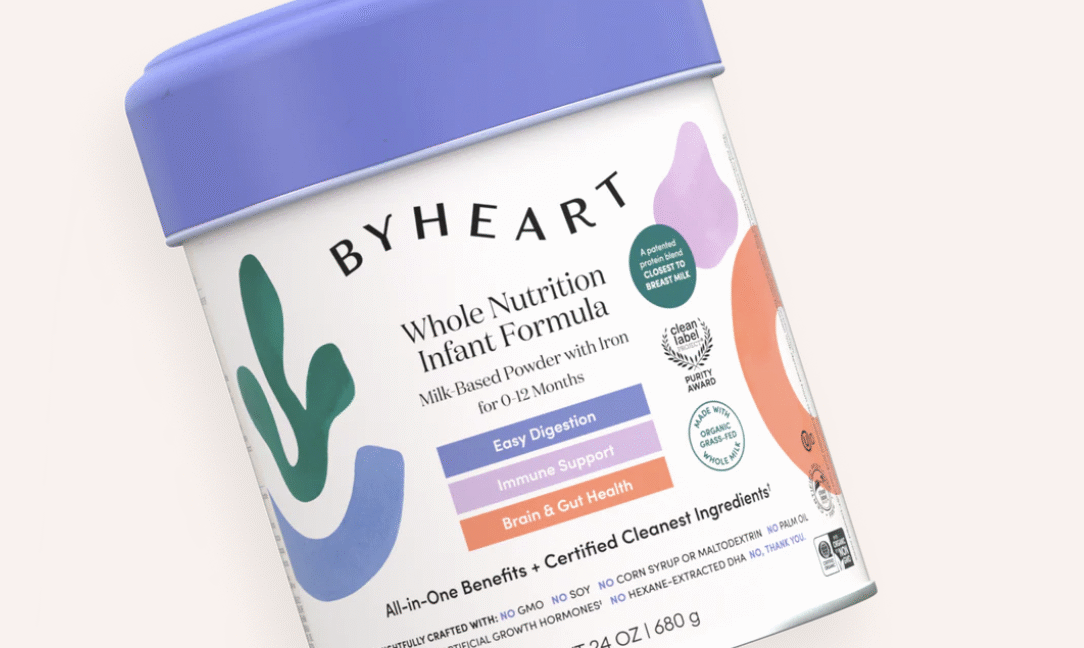
The investigation into a significant infant botulism outbreak linked to powdered formula has reached a formal conclusion, yet federal regulators admit that the precise root cause remains elusive. For parents and caregivers, the end of the official inquiry serves as a somber reminder of the complexities inherent in food safety and the challenges of pinpointing contamination in highly processed nutritional products.
The U.S. Food and Drug Administration (FDA) recently declared the outbreak investigation closed, noting that while the agency successfully tracked the source of the illness to specific products, it has been unable to definitively determine how Clostridium botulinum bacteria—the pathogen responsible for botulism—entered the manufacturing supply chain. According to the FDA’s official record of the investigation, this lack of clarity persists despite extensive efforts to analyze ingredients and production processes.
Understanding the Scope of the Recall
The safety concerns centered on ByHeart Whole Nutrition Infant Formula. The recall affected all lots of the company’s formula, including both standard cans and single-serve “anywhere pack” sticks. Because ByHeart infant formula products accounted for approximately 1% of the total infant formula market in the United States, the recall did not trigger widespread supply shortages or necessitate emergency rationing for the general population. Nonetheless, the impact on affected families was profound, as the contamination posed severe health risks to infants.

Infant botulism is a rare but serious condition that occurs when an infant ingests the spores of Clostridium botulinum. Once inside the digestive system, these spores can produce a toxin that attacks the body’s nerves. Clinical symptoms often begin with constipation, followed by poor feeding, loss of head control, and difficulty swallowing. As the condition progresses, it can lead to respiratory distress and even respiratory arrest, necessitating immediate medical intervention. Parents are reminded that symptoms can take up to several weeks to manifest following the consumption of contaminated product.
Regulatory Oversight and Post-Incident Response
With the primary outbreak investigation now concluded, the FDA has shifted its focus to post-incident response activities. The agency is continuing to conduct surveillance and implement prevention and compliance measures to bolster the safety of the infant formula supply. The regulator emphasizes that its ongoing work involves a critical review of ingredients and manufacturing protocols, though it has acknowledged the limitations of current scientific evidence in explaining the specific mechanism of the ByHeart contamination.
The FDA’s current post-outbreak response activities are intended to ensure that such an incident does not recur. For consumers, the primary directive remains clear: any remaining ByHeart formula should not be used. While the products have been removed from retail shelves and online storefronts, the agency urges caregivers who suspect their child may have consumed the product to monitor them closely for the symptoms mentioned above and to seek immediate medical attention if any signs of illness appear.
What Parents Need to Know
Navigating food safety recalls can be daunting, particularly when the product in question is a fundamental source of nutrition for infants. Below are the essential takeaways regarding the ByHeart recall and the current status of the investigation:
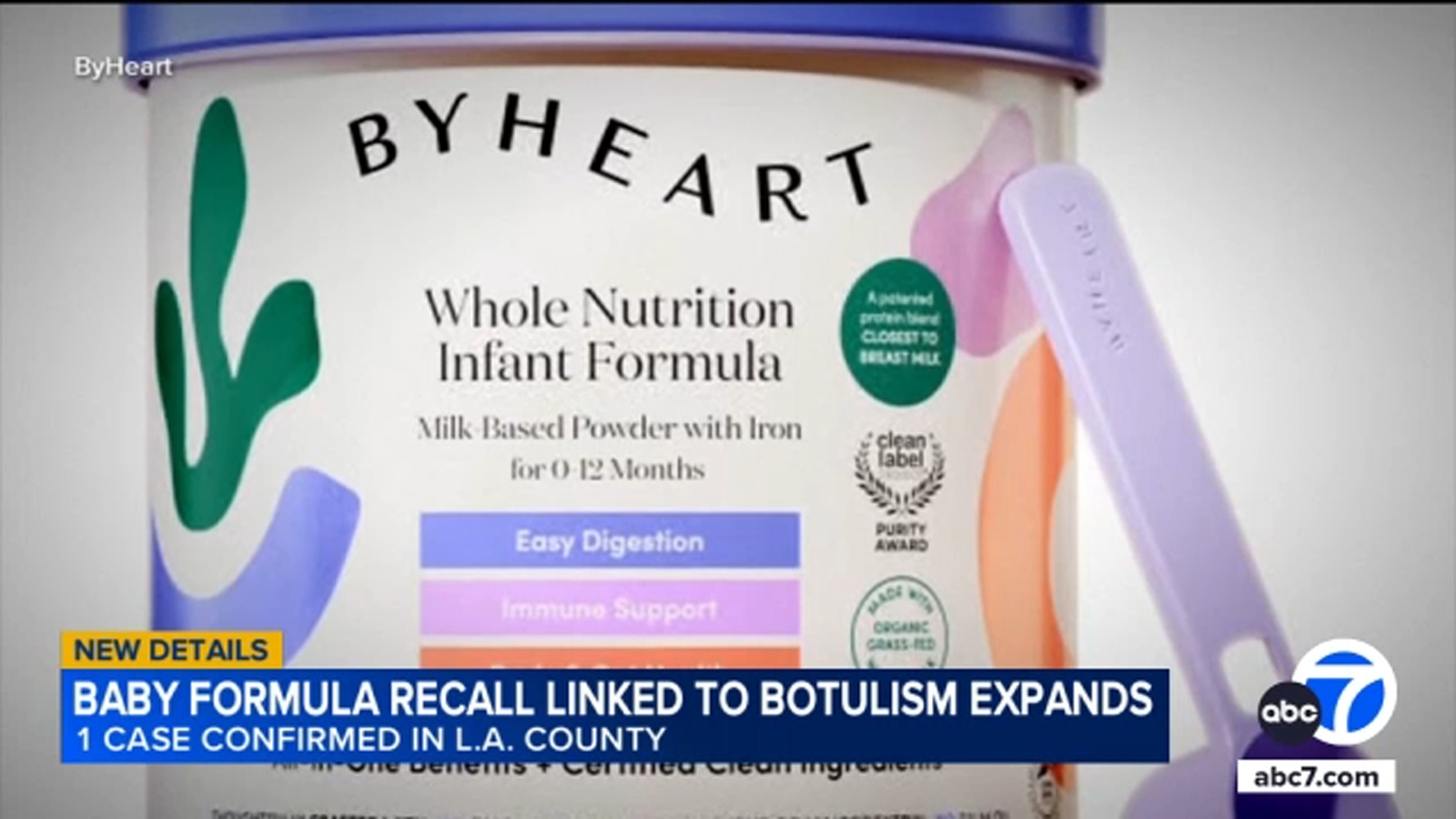
- Status of Products: All ByHeart Whole Nutrition Infant Formula products, including sticks and cans, have been recalled and should be discarded immediately.
- Clinical Awareness: Botulism symptoms in infants, such as constipation and lethargy, require urgent medical evaluation.
- Investigation Status: The FDA has officially closed the outbreak investigation but continues to perform surveillance and compliance work related to infant formula safety.
- Supply Security: The recall represented a small fraction of the U.S. Market, and there are no current concerns regarding a broader formula shortage.
As the FDA continues its long-term efforts to enhance safety oversight, the agency remains the primary source for updates on foodborne illness investigations. Caregivers are encouraged to stay informed through official government channels to receive the most accurate guidance on infant nutrition safety.
Have you been affected by recent infant health safety alerts, or do you have questions about the FDA’s oversight of nutritional products? We invite you to share your thoughts and join the conversation in the comments section below.