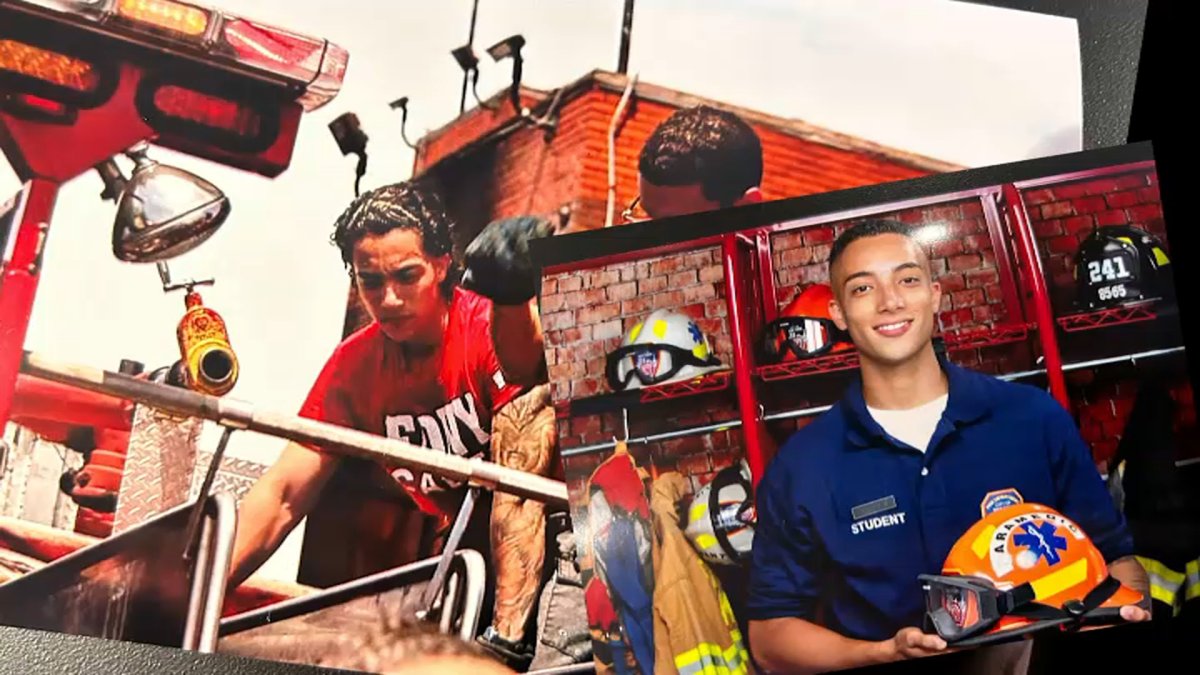
FDNY Fire Cadet Program Faces Scrutiny after Unexpected Terminations
The New York City Fire Department (FDNY) is facing criticism following the termination of 15 Fire Cadets who graduated from the program this past summer. This situation,coupled with a broader restructuring of the Cadet program,has sparked debate about its initial design,implementation,and impact on diversity efforts within the department.As a long-time observer of public safety workforce development, I’ll break down the complexities of this situation, the concerns raised, and what it means for the future of the FDNY.
The Core of the Controversy
The issue centers around a two-year Fire Cadet program launched in 2023, intended to diversify the FDNY’s ranks. The program offered an alternative pathway into the department, aiming to address historical underrepresentation of minority applicants – currently, approximately 62% of NYC firefighters are white, while the city’s population is only 31% white according to 2020 Census data.
However, the transition from Cadet to probationary firefighter hasn’t been seamless. The crux of the problem? A perceived misalignment between the program’s timeline and the schedule of the Fire academy.
What Happened? A timeline of Events
Here’s a breakdown of how the situation unfolded:
* Program Launch (2023): Former Fire Commissioner Laura Kavanagh initiated the Cadet program with the expectation that graduates woudl directly enter Probationary Firefighter School.
* Contractual Gap: Current commissioner Tucker argues the two-year Cadet contracts didn’t align with the start of a Fire Academy class, creating a gap in employment. This gap meant Cadets needed to be reclassified as temporary EMS Trainees.
* Accelerated Training & Testing: Cadets were given a compressed timeframe – two weeks – to prepare for the EMS trainee written exam, a process that typically takes three months.
* Terminations & Reclassification: 15 Cadets were terminated for failing the EMS exam. 68 were reclassified as EMS trainees,with 45 afterward transitioning back to the fire service through the October Fire Academy class.
* Differing Perspectives: Commissioner tucker defends the restructuring as “making lemonade out of lemons,” preserving jobs for the majority.Former Commissioner Kavanagh believes the issue was avoidable and suggests internal resistance sabotaged the program’s success.
The Cadets’ Outlook: Dreams Deferred
The human cost of this restructuring is significant. Cadets like Juan Osorno, who dreamed of following in his firefighter father’s footsteps, are left in limbo. He, along with the other terminated Cadets, are now considering legal options and pleading for reconsideration.
“I’ve wanted this since I was a kid, honestly,” Osorno shared. “That was my whole dream and its still my dream.”
The rushed readiness for the EMS exam is a key point of contention.As one Cadet, Greene, stated, “We had two weeks to do a whole medical process that usually takes 3 months.” This raises questions about fairness and adequate preparation.
Why This Matters: diversity, equity, and Inclusion
This situation isn’t just about 15 individuals; it’s about the FDNY’s commitment to diversity, equity, and inclusion. The program was specifically designed to broaden the applicant pool and address systemic underrepresentation.
* Addressing Historical Disparities: Federal courts have previously found the FDNY’s hiring practices underrepresented minority applicants.
* The Program’s Intent: The FDNY’s own DEI report stated the goal was for Cadets to seamlessly transition into probationary firefighter School.
* Potential Legal Challenges: The terminated Cadets are exploring legal recourse, potentially leading to further scrutiny of the FDNY’s actions.
Commissioner Tucker’s Defense & Kavanagh’s Response
Commissioner Tucker maintains his decision was pragmatic, prioritizing the jobs of the majority of Cadets. He argues that dealing with the “totality of the Department” required difficult choices. However, Kavanagh strongly disagrees, suggesting the “gap” was a self-inflicted problem and that internal opposition may have undermined the program.She believes the program had built-in contingencies to prevent this outcome.
Looking Ahead: What Needs to Happen?
This situation highlights the importance of careful planning, clear communication, and consistent support in workforce development programs.Here are