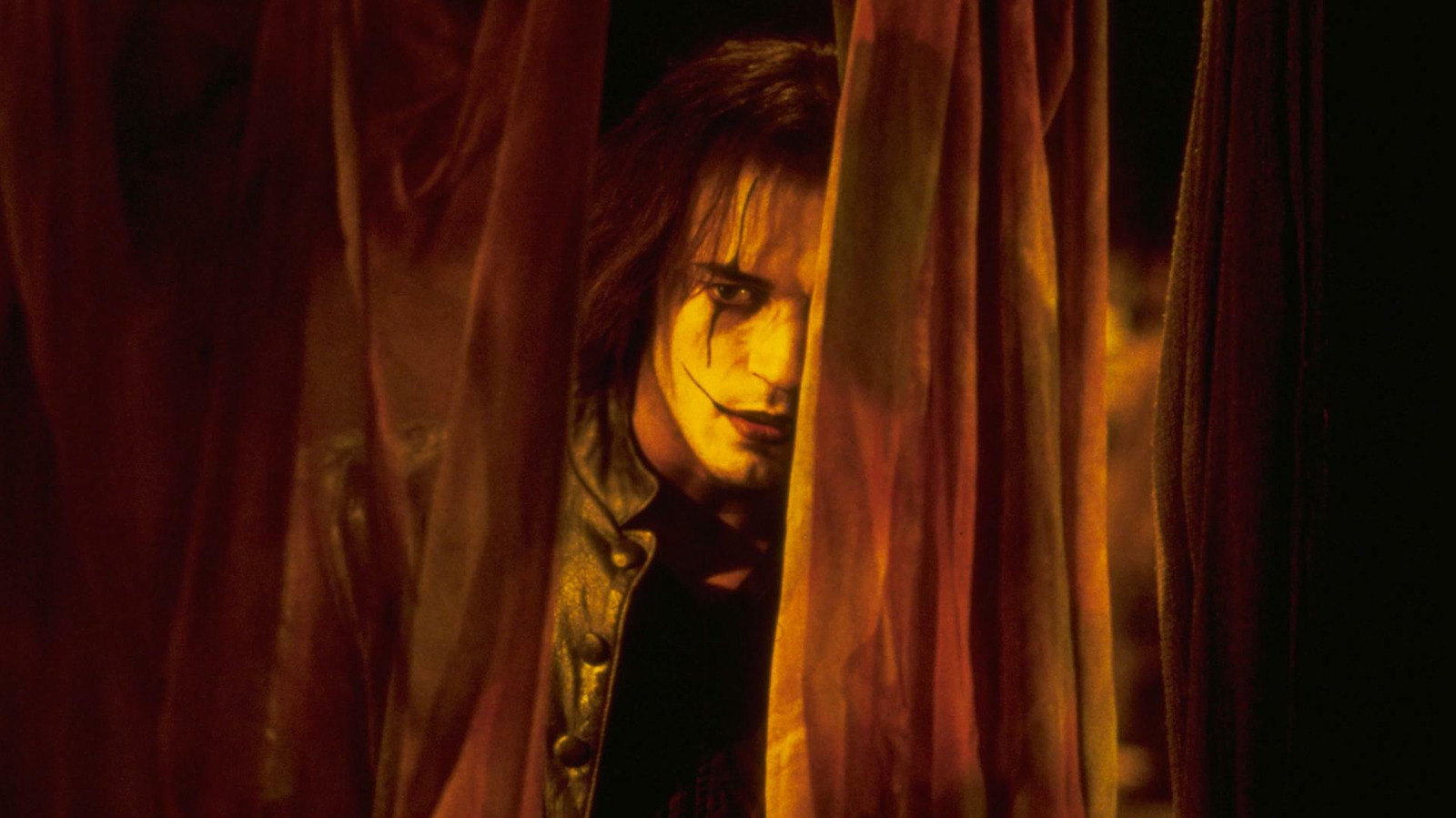
The Untapped potential: How “The Crow” Almost Became Something Radically Diffrent
The story of “The Crow” is more than just a dark,gothic action film. It’s a tale of unrealized potential, creative clashes, and a franchise that coudl have taken a dramatically different path.You might be surprised to learn that the sequels envisioned for this iconic movie were far from simple continuations of the original.
Several ambitious ideas were floated, aiming to expand the Crow’s universe in unexpected ways. One notably interesting concept involved a journey back in time, placing the spectral avenger in the shadowy streets of Victorian London.
A Crow Versus Jack the Ripper?
Imagine a “Gaslight Crow,” as it was playfully dubbed. This proposed sequel would have pitted the resurrected hero against one of history’s most notorious villains: Jack the Ripper. It’s a concept that predates the steampunk aesthetic, offering a unique blend of supernatural vengeance and historical mystery.
This wasn’t just a fleeting thought. The idea was seriously considered, promising a visually stunning and narratively compelling experience. However, it faced notable resistance from studio executives.
The Fight for creative Control
The studio was determined to replicate the success of the first film, wanting a sequel that felt familiar. This led to a creative tug-of-war. The desire was to deliver something truly innovative, but the studio preferred a safer, more conventional approach.
Ultimately, a compromise was reached. The sequel, “City of Angels,” featured an adult Sarah, a character from the original, but the Crow mantle was passed to a new male protagonist. While it wasn’t the complete departure initially envisioned, it was a step toward something different.
It’s interesting to note that the original comic book creator also favored the idea of a female Crow. Despite this shared vision, there was no collaboration between the creative teams.
A Franchise Stalled
Unfortunately, “City of Angels” didn’t capture the magic of the original. The film underperformed at the box office,effectively halting the franchise’s momentum. A third installment, “The Crow: Salvation,” arrived in 2000, but it received a limited release and failed to reignite interest.
This sequel lacked the creative spark of the earlier concepts and didn’t feature a female lead. It served as a stark reminder of the untapped potential left on the table.
The story of “The Crow” sequels is a cautionary tale about the challenges of balancing creative vision with commercial expectations. It highlights the importance of taking risks and exploring new possibilities, even within established franchises. Perhaps, one day, we’ll see a Crow story that truly breaks the mold and delivers the kind of innovative experience that was once so close to becoming a reality.