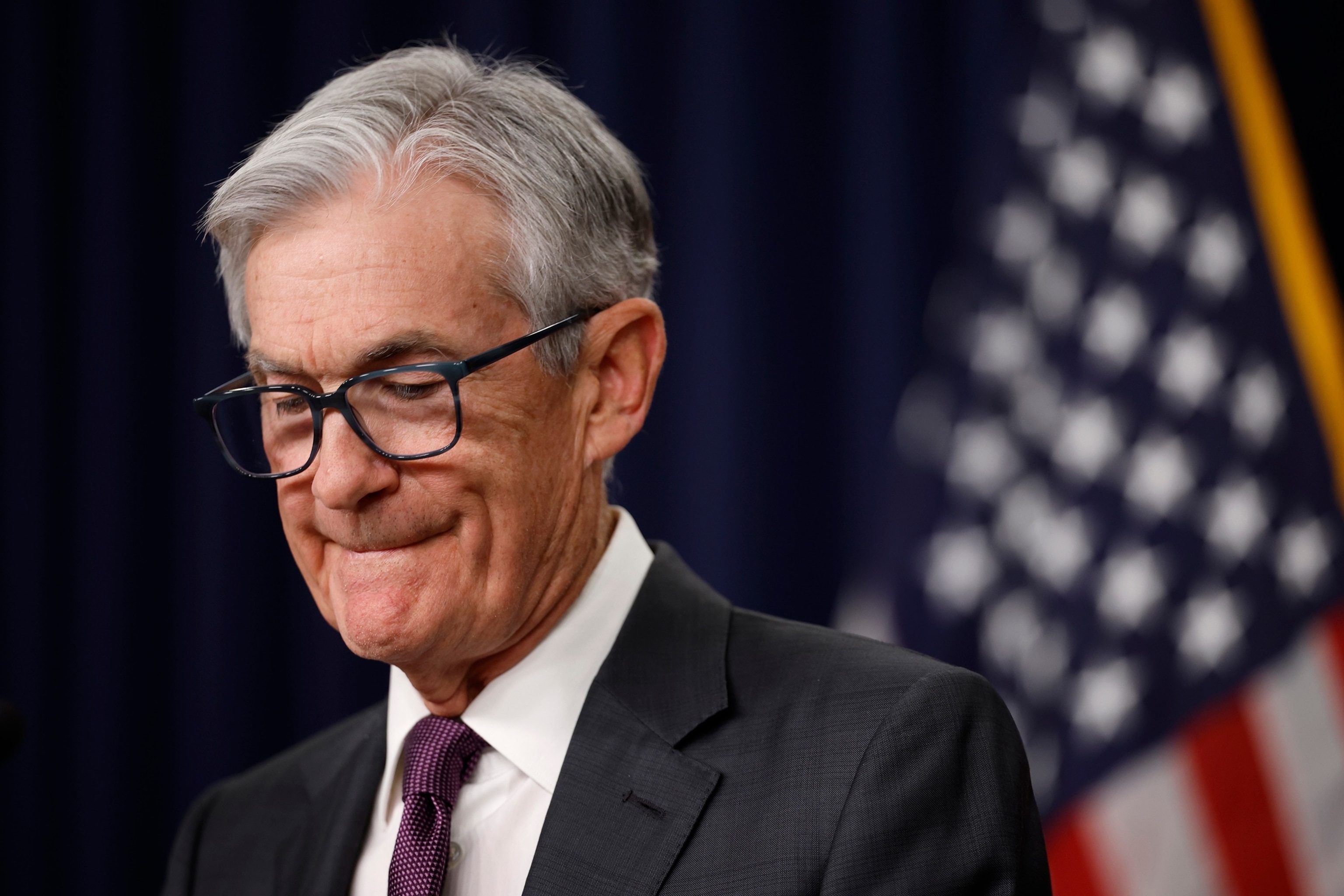
Kevin Warsh’s nomination to lead the Federal Reserve has reignited debate over the central bank’s independence and its role in the U.S. Economy. The former Fed governor, tapped by President Donald Trump in January 2026, has framed his vision as a needed “regime change” at the institution, arguing it has lost credibility with markets and the public. Yet despite his rhetoric of overhaul, analysts and policymakers suggest any transformation will be incremental rather than revolutionary, constrained by institutional norms, legal mandates, and bipartisan skepticism about politicizing monetary policy.
Warsh’s confirmation hearing before the Senate Banking Committee on April 21, 2026, offered the clearest window into his thinking. While senators pressed him on his financial disclosures and perceived closeness to the Trump administration, Warsh used the platform to articulate a long-held belief: that the Federal Reserve has strayed from its core mandate by engaging in what he views as overextension—whether through frequent public communications, climate-related risk assessments, or balance sheet expansions during crises. He argued that restoring credibility requires narrowing the Fed’s focus and embracing internal dissent as a corrective force.
“The president never asked me to commit to interest rate cuts at any particular meeting over the period of my tenure at the Fed,” Warsh said during the hearing, addressing concerns about political interference. “He didn’t ask for it. He didn’t demand it. He didn’t require it and nor would I have ever done so.” This statement, echoed in his NPR interview the same day, aimed to distance himself from accusations that he would serve as a presidential proxy on monetary policy—a fear amplified by Trump’s public calls for rates to fall to 1% and his efforts to remove current Chair Jerome Powell.
Still, Warsh’s agenda extends beyond interest rates. He has advocated for redefining how the Fed communicates, suggesting fewer speeches and press conferences by policymakers to reduce market noise and perceived politicization. He also supports steering the institution away from topics like climate change, which he believes fall outside its statutory responsibilities. These views align with critiques from some conservative economists who argue the Fed’s expanded role during the 2008 financial crisis and the pandemic-era response blurred the lines between monetary and fiscal policy.
However, the feasibility of Warsh’s proposed changes faces significant headwinds. The Federal Reserve’s structure, established by the Federal Reserve Act of 1913 and amended over decades, grants it substantial operational autonomy. While the Chair influences agenda-setting and discourse, actual policy decisions require consensus among the twelve voting members of the Federal Open Market Committee (FOMC), including regional bank presidents and Board governors. Warsh would need to persuade colleagues to adopt his vision—a tall order given the diversity of regional economic perspectives and institutional inertia.
legal and procedural safeguards limit unilateral action. The Fed’s communications practices, for instance, evolved in response to past criticism about opacity; reducing them could undermine transparency goals enshrined in laws like the Dodd-Frank Act. Similarly, the Fed’s mandate to promote maximum employment and stable prices—reinforced by Congress through the Humphrey-Hawkins Act of 1978—requires it to consider a broad range of economic indicators, not just inflation. Any attempt to narrow this focus would likely face legal scrutiny and congressional pushback.
Market reactions to Warsh’s nomination have been measured. While some investors welcome the prospect of a more predictable, rules-based approach to monetary policy, others warn that perceived politicization could erode the Fed’s hard-won credibility, particularly if policy appears to align too closely with White House preferences. The yield on the 10-year Treasury note, a benchmark for long-term interest rates, showed modest volatility following his hearing but remained within recent ranges, suggesting investors await clarity on how his leadership would translate into concrete policy shifts.
Historical context tempers expectations of rapid transformation. Previous attempts to reshape the Fed’s culture—such as Paul Volcker’s inflation-fighting stance in the early 1980s or Ben Bernanke’s crisis-era innovations—succeeded not through unilateral decree but through a combination of economic necessity, coalition-building, and communication. Warsh, who served as a Fed governor from 2006 to 2011, understands these dynamics firsthand. His challenge will be balancing reformist zeal with the consensus-driven ethos that has long defined central banking.
The next critical milestone in this process is the Senate vote on Warsh’s confirmation, which has not yet been scheduled as of April 26, 2026. Delays could stem from ongoing scrutiny of his financial holdings, partisan debates over presidential influence, or procedural holds by individual senators. Until a vote occurs, Jerome Powell remains in office under the Federal Vacancies Reform Act, which allows acting leadership to continue in senior roles during nominations.
For readers seeking to follow developments, the Senate Banking Committee’s website provides access to hearing transcripts, witness statements, and vote schedules. The Federal Reserve’s official site offers real-time data on interest rates, balance sheet reports, and FOMC meeting minutes—primary sources for assessing any shifts in policy tone or substance under novel leadership.
What remains uncertain is whether Warsh’s “regime change” will amount to a meaningful recalibration of the Federal Reserve’s role or merely a rhetorical shift within enduring constraints. His success will depend not only on his persuasive abilities but also on broader economic conditions, congressional attitudes, and the willingness of fellow policymakers to entertain change. In an institution designed to resist sudden turns, evolution—when it comes—is often gradual, deliberate, and shaped as much by circumstance as by conviction.
We invite our global readers to share their perspectives on the Federal Reserve’s future direction. How should central banks balance independence with accountability in politically charged environments? Join the conversation in the comments below and share this article with others interested in global economic governance.
Related reading
- Trump’s Primetime Address on Election Security and China: CBS News Special Report
- ICE Officer in Deadly Maine Shooting: History of Violence and Controversy
- Do Antihistamines Really Stop Working Over Time? (daybreakwire.com)
- Netflix to Stop Releasing Viewership Data Every 6 Months, Will Shift to Annual Reports (archyworldys.com)