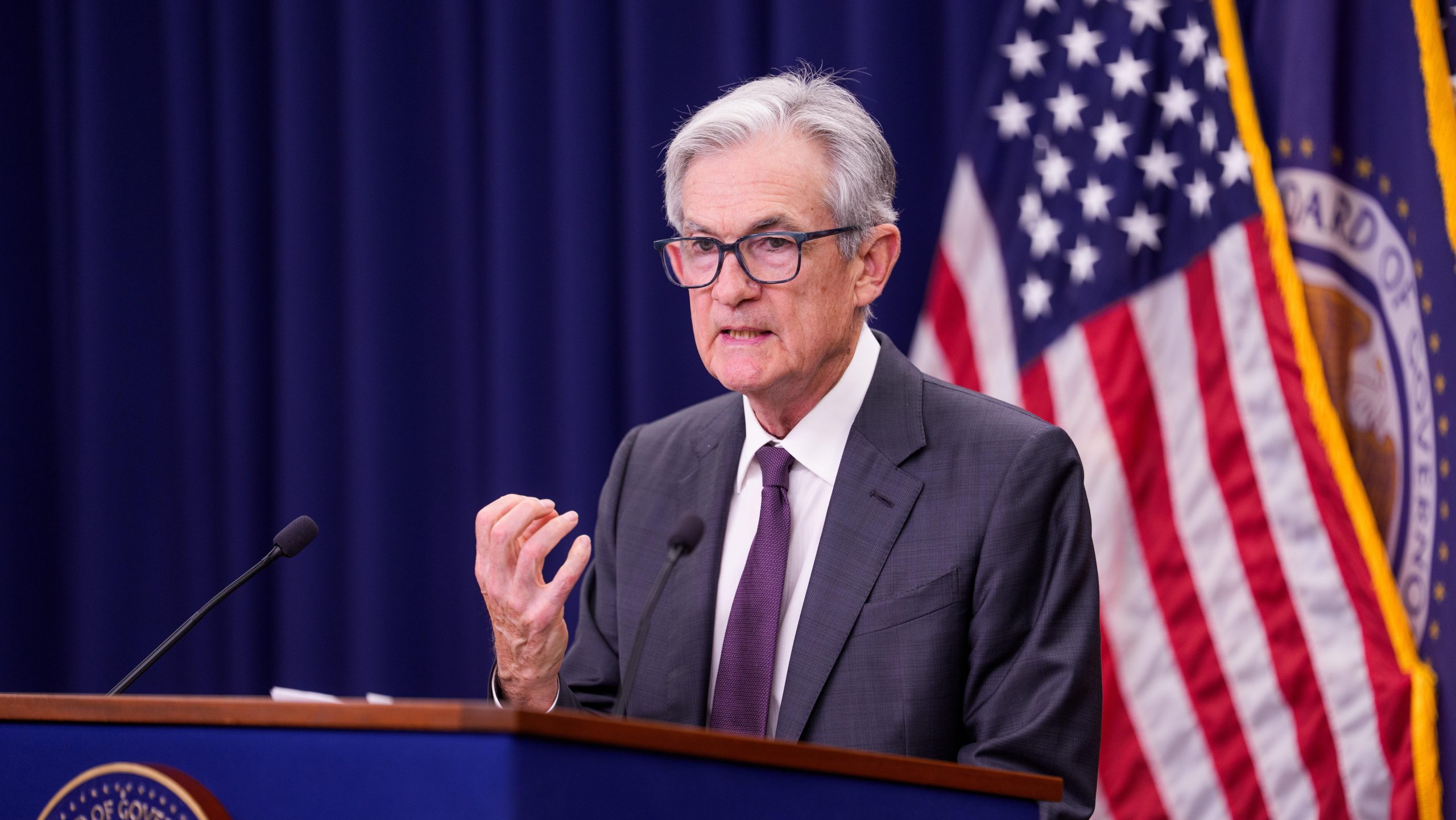
London, United Kingdom – March 18, 2026 – The Federal Reserve held steady on interest rates today, leaving the benchmark rate unchanged in a range of 3.5 to 3.75 percent, a decision widely anticipated by markets. The Federal Open Market Committee (FOMC) concluded its meeting this evening, with eleven out of twelve voters supporting the pause. Market sentiment, as reflected on prediction platform Polymarket, had already priced in this outcome, with a nearly 100% probability of the rate hold just two hours prior to the announcement.
This decision comes amid persistent inflationary pressures in the United States. Data released by the Bureau of Labor Statistics on March 11th indicated a 0.3% increase in consumer prices compared to the previous month, translating to a 2.4% year-over-year inflation rate. Bitget reported that the probability of a rate cut before the June FOMC meeting dropped 11% in the 24 hours leading up to the announcement, currently standing at 28%.
However, the US labor market is beginning to reveal signs of cooling. The Fed emphasized its commitment to a data-dependent approach, acknowledging increased uncertainty stemming from geopolitical risks and other factors. While a dissenting vote in favor of a rate cut suggests a growing willingness within the committee to consider easing monetary policy, the impact of ongoing global events, such as the conflict in the Middle East, has yet to be fully reflected in official inflation figures. Rising fuel prices in the US, for example, are a potential inflationary factor that will be closely monitored.
Bitcoin, the leading cryptocurrency, demonstrated resilience in initial market reaction to the Fed’s announcement. The digital asset remained stable, trading above the psychologically important $70,000 mark and experiencing a modest 0.8% increase following the news. This suggests that the market had largely anticipated the Fed’s decision and that the current environment continues to support investor confidence in cryptocurrencies.
The Fed’s Balancing Act: Inflation vs. Economic Growth
The Federal Reserve faces a delicate balancing act: curbing inflation without triggering a recession. Maintaining higher interest rates aims to cool down the economy by making borrowing more expensive, thereby reducing demand and easing price pressures. However, aggressive rate hikes can likewise stifle economic growth and potentially lead to job losses. The Fed’s decision to pause rates today reflects a cautious approach, allowing policymakers time to assess the impact of previous rate increases and monitor incoming economic data.
The labor market remains a key focus for the Fed. While unemployment remains relatively low, there are indications that the pace of job growth is slowing. This is a crucial factor in the Fed’s decision-making process, as a weakening labor market could signal a broader economic slowdown. The Fed will be closely watching indicators such as initial jobless claims, payroll employment, and wage growth to gauge the health of the labor market.
Impact on Cryptocurrency Markets
The cryptocurrency market has been particularly sensitive to changes in monetary policy. Higher interest rates typically make riskier assets, such as cryptocurrencies, less attractive to investors, as they increase the opportunity cost of holding these assets. Conversely, lower interest rates can boost demand for cryptocurrencies by reducing the appeal of traditional fixed-income investments.
Bitcoin’s recent stability following the Fed’s announcement suggests that the market has already factored in the possibility of continued high interest rates. However, the long-term impact of monetary policy on the cryptocurrency market remains uncertain. Factors such as regulatory developments, institutional adoption, and technological innovation will also play a significant role in shaping the future of the crypto space.
Geopolitical Risks and Inflationary Pressures
The ongoing geopolitical tensions, particularly in the Middle East, pose a significant risk to the global economy and could exacerbate inflationary pressures. Disruptions to supply chains, rising energy prices, and increased uncertainty can all contribute to higher inflation. The Fed acknowledged these risks in its statement, emphasizing its commitment to monitoring global developments closely.
The conflict in the Middle East has already led to a surge in oil prices, which could translate into higher gasoline prices for consumers. This could further fuel inflation and complicate the Fed’s efforts to bring inflation back to its 2% target. The Fed will need to carefully weigh these risks when making future monetary policy decisions.
Looking Ahead: The June FOMC Meeting
The next key event for financial markets will be the June FOMC meeting. By then, the Fed will have more data on the state of the economy and the impact of previous rate hikes. Yahoo Finance reports that crypto traders are predicting the Fed will hold interest rates until June. The market will be closely watching for any signals from the Fed regarding the timing and pace of future rate cuts. The probability of a rate cut before the June meeting, currently at 28% according to Polymarket, will likely fluctuate as modern economic data becomes available.
The Fed’s decision today underscores the challenges facing central banks around the world. Navigating a complex economic landscape characterized by high inflation, slowing growth, and geopolitical uncertainty requires a delicate touch. The Fed’s commitment to a data-dependent approach suggests that it will remain flexible and adjust its monetary policy as needed to achieve its dual mandate of price stability and maximum employment.
Key Takeaways
- The Federal Reserve maintained its current interest rate range of 3.5 to 3.75 percent.
- The decision was widely anticipated by markets and reflects a cautious approach to managing inflation and economic growth.
- Bitcoin demonstrated resilience, remaining stable after the announcement and experiencing a slight increase in value.
- Geopolitical risks and rising energy prices pose a threat to the global economy and could exacerbate inflationary pressures.
- The June FOMC meeting will be a key event for financial markets, as the Fed will have more data to assess the state of the economy.
Investors and market participants will continue to closely monitor economic data and Fed communications for clues about the future path of monetary policy. The next official update on the US inflation rate is scheduled for release on April 10th, and will be a crucial data point for the Fed’s June decision.
What are your thoughts on the Fed’s decision? Share your insights and analysis in the comments below.
Keep reading