
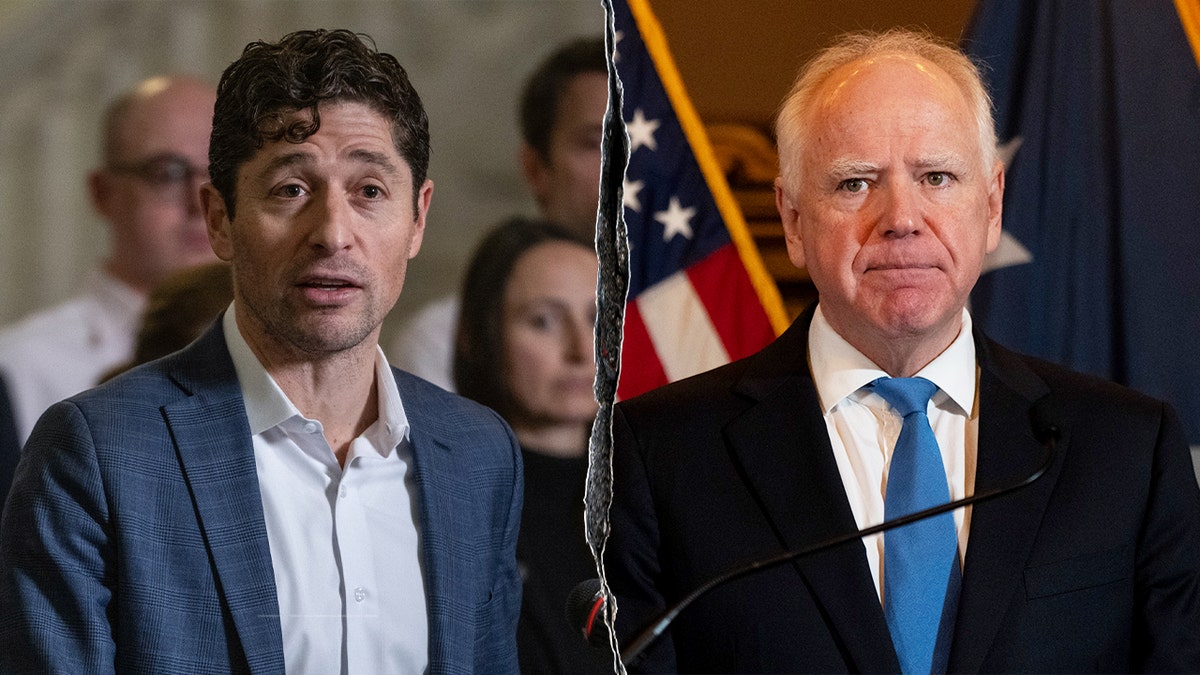
A federal judge has blocked the U.S. Department of Justice from enforcing subpoenas issued to Minnesota Governor Tim Walz, Minneapolis Mayor Jacob Frey, and other state officials, ruling the legal demands were an unconstitutional overreach. The decision, handed down in the U.S. District Court for the District of Minnesota, halts a Trump-era effort to compel testimony and documents regarding the state’s approach to immigration enforcement and local police policy.
The ruling marks a significant victory for state sovereignty, as the court determined the federal government lacked the authority to commandeer state officials for the purpose of investigating local governance decisions. According to court filings, the subpoenas were initially issued as part of a wider federal inquiry into how Minnesota municipalities managed immigration-related policies during the previous administration’s tenure, an issue that has remained a point of contention between state and federal authorities since 2019.
Legal Basis for Blocking the Subpoenas
The court’s decision centered on the principle of federalism, specifically the limits of the Department of Justice to intervene in the internal administrative functions of a state. In the written opinion, the presiding judge noted that the federal government failed to demonstrate a compelling legal necessity that would override the executive privilege and sovereign immunity held by state-level officials. This Department of Justice policy generally requires specific, high-level approval before issuing subpoenas to high-ranking state elected officials, a process the court found was not adequately satisfied in this instance.
Legal analysts observing the case have pointed to the precedent set by Printz v. United States, where the Supreme Court held that the federal government cannot compel states to enact or administer a federal regulatory program. By attempting to force Governor Walz and Mayor Frey to produce records concerning state immigration enforcement, the DOJ was essentially trying to force local cooperation with federal objectives, a move the district court deemed a violation of the constitutional separation of powers.
Context of the Immigration Enforcement Dispute
The subpoenas were part of a broader push by the Trump-era Department of Justice to pressure “sanctuary” jurisdictions and cities that limited their cooperation with federal immigration authorities. Minnesota officials had long argued that their local policies were designed to foster trust between immigrant communities and law enforcement, ensuring that residents felt safe reporting crimes without fear of immediate deportation proceedings.

Following the issuance of the subpoenas, the offices of both Governor Walz and Mayor Frey moved to quash the orders, citing them as politically motivated attempts to intimidate local leadership. The litigation has been protracted, lasting through several years of motions and procedural hearings. The U.S. District Court for the District of Minnesota confirmed that the order effectively ends the current attempt by federal prosecutors to compel the specific testimony of these high-ranking officials in the ongoing investigation.
Implications for Federal-State Relations
This ruling serves as a clear reminder of the limits of federal investigative power when applied to state-level executive functions. For Governor Walz and Mayor Frey, the court’s decision provides a definitive end to a years-long legal struggle that had been characterized by accusations of federal overreach. The court’s language in the order was notably firm, describing the attempt to subpoena a sitting governor as an extraordinary measure that requires a much higher burden of proof than the Justice Department provided.
While the federal government retains the right to appeal the decision, legal observers suggest that the current judicial climate regarding state autonomy makes a reversal unlikely. The Department of Justice has not yet indicated whether it intends to pursue further litigation in this matter, and representatives for the Governor’s office have maintained that they will continue to prioritize local public safety mandates over federal pressure tactics.
What Happens Next
With the subpoenas quashed, the immediate legal threat to the Minnesota officials has been removed. The case is now considered largely dormant unless federal prosecutors decide to file a formal appeal with the Eighth Circuit Court of Appeals. Interested parties can monitor future developments through the Public Access to Court Electronic Records (PACER) system, which tracks all federal docket filings and judicial orders in real-time.
As the situation remains subject to potential appellate review, we will continue to monitor the federal docket for any official filings or statements from the Justice Department. We invite our readers to share their thoughts on the implications of this ruling for federal-state relations in the comments section below.
Related reading