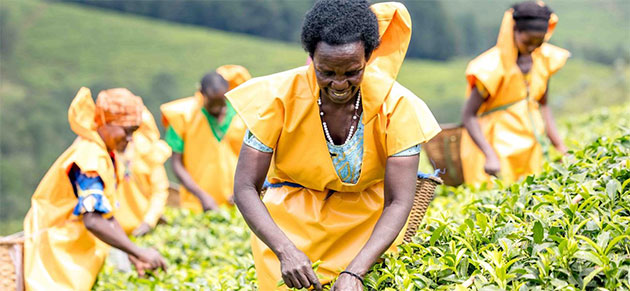
Women farmers in Africa are central to the continent’s food security, yet they continue to face systemic barriers that limit their productivity and economic potential. As global institutions prepare for the International Year of the Woman Farmer in 2026, the focus has shifted toward addressing the gender-specific challenges that prevent millions of women from accessing land, credit, and agricultural technology. According to the Food and Agriculture Organization (FAO) of the United Nations, closing the gender gap in agricultural productivity could significantly increase food production and reduce hunger across the continent.
The upcoming 2026 observance serves as a platform to elevate the visibility of women in rural economies. While women make up a substantial portion of the agricultural labor force in many African nations, they often operate at a disadvantage compared to their male counterparts. This disparity is not merely a social issue but a structural economic hurdle that affects the stability of agrifood systems throughout the region. By prioritizing investment in female-led farms, policymakers aim to foster more resilient food chains capable of withstanding climate shocks and supply chain disruptions.
The Role of Gender Equity in Agrifood Systems
Gender inequality in agriculture is often measured by unequal access to productive resources. Research from the World Bank indicates that women farmers often have less access to high-quality seeds, fertilizers, and irrigation infrastructure. When women are empowered with the same resources as men, their farm yields can increase substantially, contributing to higher household incomes and better nutrition for local communities. The State of Food and Agriculture report, published periodically by the FAO, consistently highlights that gender-responsive policies are essential for achieving the United Nations Sustainable Development Goal of Zero Hunger.
Beyond physical inputs, the issue of land tenure remains a critical barrier. In many jurisdictions, customary laws prevent women from owning or inheriting land, which in turn limits their ability to secure loans or invest in long-term agricultural improvements. According to the United Nations Entity for Gender Equality and the Empowerment of Women (UN Women), legal reforms that strengthen land rights for women are among the most effective tools for stimulating rural economic growth. When women have secure tenure, they are more likely to participate in decision-making processes that affect their communities.
Challenges and Barriers to Scaling Productivity
The challenges facing women farmers are multifaceted, spanning from limited education to the lack of access to digital financial services. In many rural areas, women perform the majority of labor-intensive tasks—such as weeding, harvesting, and water collection—while having the least influence over the sale of crops or the management of household income. This imbalance is compounded by the International Fund for Agricultural Development (IFAD), which notes that rural women are disproportionately affected by climate change, as they often rely on rain-fed agriculture and have limited access to early-warning weather systems or drought-resistant crop varieties.
Investment in technology is often cited as a necessary step for modernization. Mobile banking and digital platforms have begun to bridge some gaps, allowing women to receive payments directly and access micro-loans without needing a physical bank branch. However, the International Telecommunication Union reports that a significant digital gender gap persists in many low-income regions, preventing women from fully utilizing these tools. Closing this gap requires targeted infrastructure development and digital literacy training tailored to the specific needs of rural female populations.
Pathways to 2026 and Beyond
The designation of the International Year of the Woman Farmer in 2026 is intended to catalyze political will and financial commitment toward gender-equitable agricultural development. The initiative is expected to encourage governments to integrate gender-disaggregated data into their national agricultural strategies, allowing for more precise tracking of progress and resource allocation. By understanding exactly where the gaps are, international organizations and national governments can move away from one-size-fits-all solutions toward targeted interventions.
Stakeholders in the agricultural sector are currently preparing to align their programs with the objectives of the 2026 year. This includes increasing funding for agricultural extension services that specifically target women, as well as promoting women’s participation in cooperatives and producer organizations. According to the African Development Bank, supporting these organizations is vital for giving women a collective voice in policy discussions and market negotiations. The success of these efforts will be measured not only by crop yields but by the long-term economic independence of women farmers across the continent.
The next major checkpoint for these initiatives will be the upcoming regional consultations scheduled by the FAO and its partners in late 2025. These meetings will finalize the roadmap for the 2026 observance and establish specific indicators for success. We invite our readers to share their perspectives on the role of gender in global food security in the comments section below.