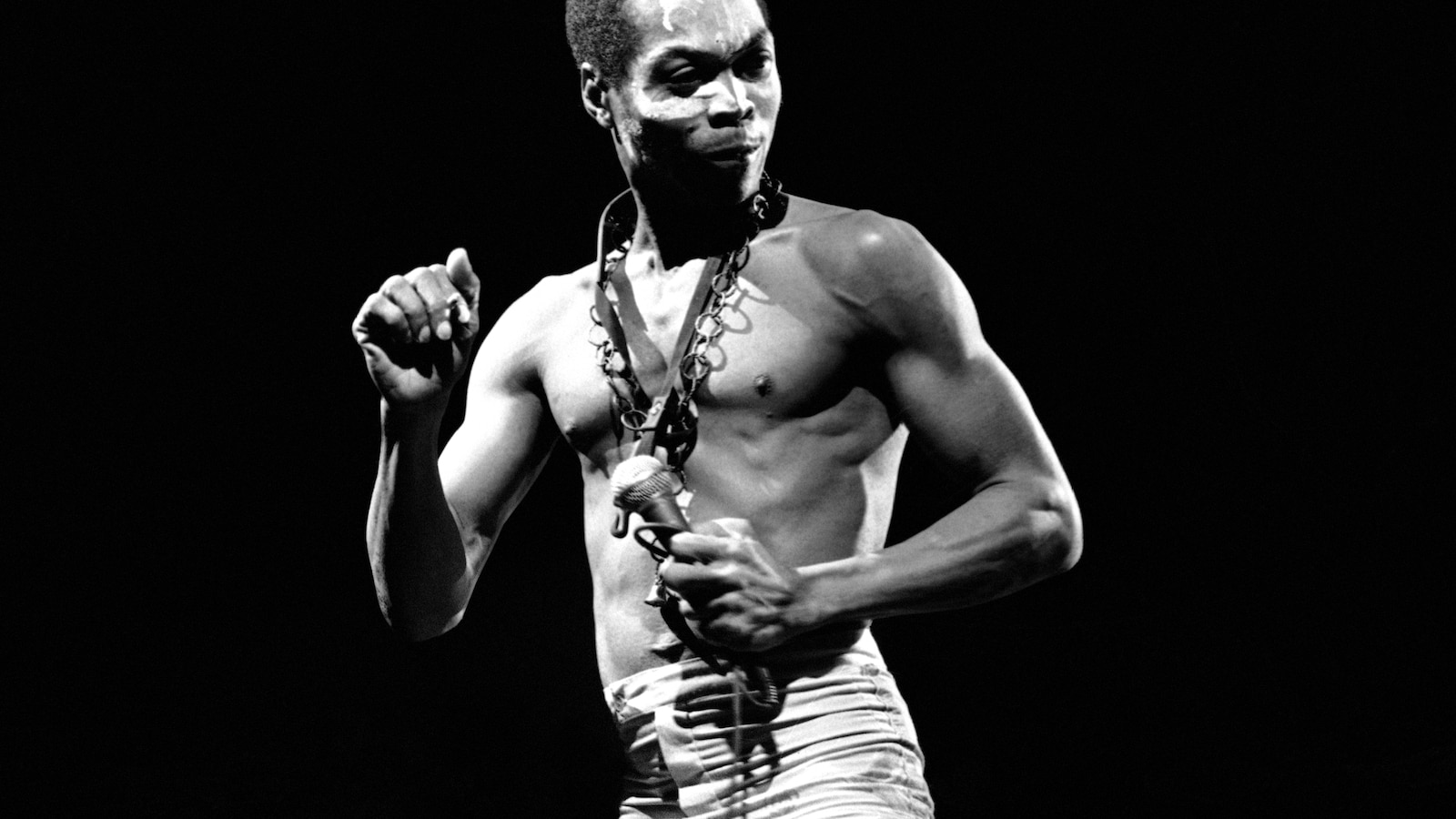
The heavy, syncopated drumbeat begins—a relentless, hypnotic pulse that seems to vibrate not just in the ears, but in the incredibly marrow of the bones. Then comes the brass: a sharp, defiant blast of horns that cuts through the haze of a Lagos night. For anyone who lived through the turbulent landscape of 1970s Nigeria, or anyone who has ever used music as a shield against injustice, that sound is unmistakable. It is the sound of Fela Anikulapo-Kuti, and it is the sound of a revolution captured in wax and groove.
Nearly five decades since its release, the album Zombie remains more than just a landmark in the Afrobeat canon. it is a living, breathing document of political defiance. As we approach the 50th anniversary of its debut, the track “Zombie” continues to resonate across the African continent and the global diaspora, serving as a haunting reminder of the power of art to confront authority. In a world where the struggle for democratic accountability remains a central theme in Nigerian discourse, Fela’s critique of mindless obedience feels less like a historical artifact and more like a contemporary warning.
To understand why Zombie still carries such immense weight, one must look beyond the infectious polyrhythms and into the volatile political climate of 1976. Nigeria was navigating a period of intense military rule, characterized by a cycle of coups and a tightening grip on civil liberties. Fela Kuti, already a provocateur and a burgeoning icon of Pan-Africanism, used his music to strip away the veneer of military discipline, exposing what he saw as the hollow, unthinking nature of the soldiers who enforced the regime’s will.
The genius of the song lay in its metaphor. By comparing soldiers to “zombies”—beings that move without thought, obey without question, and act without conscience—Fela struck a nerve that the Nigerian military could not ignore. He wasn’t just mocking the uniform; he was challenging the very foundation of authoritarianism: the suspension of individual agency in favor of state-mandated obedience.
The Anatomy of Defiance: The Making of ‘Zombie’
When Zombie was released in 1976, it was not merely a musical success; it was a cultural earthquake. Fela had spent years refining the “Afrobeat” sound—a sophisticated, high-energy fusion of jazz, funk, West African highlife, and traditional Yoruba percussion. Unlike the polished pop of the era, Afrobeat was gritty, extended, and deeply improvisational, designed to pull the listener into a trance-like state of political awareness.
The track “Zombie” itself is a masterclass in tension and release. The song builds through layers of percussion, with the interlocking rhythms of the drums creating a sense of inevitable momentum. The lyrics, delivered in a mix of English and Nigerian Pidgin, were intentionally accessible, ensuring the message reached the masses in the streets of Lagos as effectively as it reached the intellectuals in the universities. When Fela sings, “Zombie no go go, unless you tell am to go,” he is articulating a profound critique of the dehumanization inherent in military structures.
This was not art for art’s sake. Fela’s music was inextricably linked to his lifestyle and his communal living experiment, the Kalakuta Republic. This independent commune, which he established as a sanctuary for artists and a symbol of African autonomy, stood in direct opposition to the state. The Zombie album was the sonic manifesto of this movement, asserting that true freedom required both mental and physical independence from colonial and post-colonial structures.
The impact of the album was immediate and visceral. It became an anthem for the disenfranchised, a rhythmic middle finger to the junta. However, in the eyes of the Nigerian military, the song was not just an insult—it was a direct threat to national security. The response from the state would prove to be one of the darkest chapters in the history of Nigerian music and civil rights.
The Cost of Truth: The 1977 Raid on Kalakuta
The retaliation for the message of Zombie was swift and devastating. In February 1977, less than a year after the album’s release, hundreds of Nigerian military personnel descended upon the Kalakuta Republic. What followed was not a standard police action, but a brutal, coordinated assault intended to crush the spirit of the man who had dared to mock them.
The raid resulted in widespread destruction. The communal compound was burned, the recording studio was ransacked, and many of Fela’s followers were injured or detained. Perhaps most tragically, the attack claimed the life of Funmilayo Ransome-Kuti, Fela’s mother and a legendary feminist activist in her own right. Her death served as a grim testament to the high price of political dissent in Nigeria during that era. The BBC has documented the profound impact of this period on Fela’s life and his subsequent intensification of political activism.

Rather than silencing him, the violence of the raid seemed to galvanize Fela. He became even more vocal, using his platform to demand justice and to expose the brutality of the regime. The tragedy of the Kalakuta raid became a central part of the Fela Kuti mythos—not as a story of victimhood, but as a narrative of resilience. It solidified his status as a martyr for the cause of African liberation and a symbol of the uncompromising artist.
For historians and musicologists, this period represents the intersection of art and state violence. The “Zombie” era demonstrates how music can serve as both a catalyst for political unrest and a target for state suppression. The scars of 1977 remain etched in the collective memory of the Nigerian people, and the story of the Kalakuta Republic continues to be taught as a cautionary tale regarding the fragility of civil liberties.
The Musical Architecture of Afrobeat
To appreciate why Zombie remains a technical marvel, one must understand the complex architecture of the Afrobeat sound. Fela Kuti did not just write songs; he composed epic, multi-movement suites that demanded the listener’s undivided attention. The structure of a typical Fela track, including those on the Zombie album, often follows a specific, rigorous pattern:
- The Percussive Foundation: The song begins with a heavy emphasis on the drum kit and various percussion instruments (shekere, congas, etc.), establishing a polyrhythmic base that drives the entire track.
- The Bassline: A deep, melodic, and repetitive bassline enters, acting as the glue between the percussion and the melodic instruments.
- The Horn Section: Brass instruments (trumpets, saxophones, trombones) are used both for rhythmic stabs and for long, soaring melodic lines that respond to the vocals.
- The Call-and-Response: A hallmark of West African musical tradition, Fela utilizes a call-and-response structure between himself and his backing vocalists, creating a communal, participatory atmosphere.
- The Extended Groove: Unlike Western pop, which relies on tight verse-chorus structures, Afrobeat focuses on the “groove”—a sustained, evolving rhythmic state that can last for fifteen minutes or more.
This complexity is what allowed Zombie to transcend the boundaries of “protest music.” It wasn’t just a political message wrapped in a song; the music itself was a sophisticated expression of African identity and excellence. By blending indigenous rhythms with global jazz and funk, Fela created something entirely new—a genre that was both unapologetically African and universally resonant.
The technical mastery required to execute these arrangements is a testament to the incredible skill of the musicians who played in Fela’s bands, such as Tony Allen, whose drumming was fundamental to the Afrobeat sound. Rolling Stone has frequently highlighted the essential role of Tony Allen in shaping the rhythmic complexity that defines the genre.
A Living Legacy: From Fela to the Global Stage
As we look at the contemporary music landscape, the DNA of Fela Kuti and the Zombie era is everywhere. The global explosion of “Afrobeats”—the modern, pop-oriented genre characterized by artists like Burna Boy, Wizkid, and Davido—is often discussed in terms of commercial success and digital streaming. However, the spiritual and political lineage of these artists can be traced directly back to the foundations laid by Fela.
Burna Boy, in particular, has frequently invoked Fela’s name, positioning himself as a successor to the Afrobeat throne. His music often blends the polished production of modern pop with the conscious, political undertones that were central to Fela’s work. Whether through lyrical themes of Pan-Africanism or the use of heavy, rhythmic grooves, the influence of the Zombie era is undeniable. The distinction between “Afrobeat” (the genre created by Fela) and “Afrobeats” (the modern pop movement) is a point of frequent debate among scholars, but the cultural connection remains a bridge between generations.

The resonance of Zombie also extends to social movements. During the #EndSARS protests in Nigeria, which sought to end police brutality, Fela’s music was played in the streets, used by protesters to voice their anger and their demands for reform. The “zombie” metaphor—the idea of mindless, unthinking authority—found a new, urgent application in the context of modern police conduct. This proves that Fela’s work is not a relic of the 1970s, but a toolkit for modern resistance.
the global reach of Afrobeat has turned Fela into a transnational icon. His influence can be seen in the works of funk, hip-hop, and electronic artists worldwide. The rhythmic structures and the spirit of defiance found in Zombie have become part of the global musical vocabulary, proving that the struggle for agency and the celebration of identity are universal human concerns.
Key Takeaways: The Legacy of Fela Kuti’s ‘Zombie’
- Political Impact: Released in 1976, the album was a direct critique of the Nigerian military’s mindless obedience.
- Historical Tragedy: The album’s message led to the 1977 military raid on the Kalakuta Republic and the death of activist Funmilayo Ransome-Kuti.
- Musical Innovation: Fela pioneered “Afrobeat,” a complex fusion of jazz, funk, and traditional Yoruba rhythms.
- Modern Relevance: The themes of the album continue to inspire contemporary Nigerian artists and social justice movements like #EndSARS.
- Global Influence: Afrobeat has evolved into a global phenomenon, influencing modern “Afrobeats” and various international genres.
Conclusion: The Rhythm That Never Dies
Fifty years after its release, Zombie remains an essential listening experience. It is a reminder that music is never “just” music; it is a vehicle for truth, a weapon against oppression, and a mirror held up to society. Fela Kuti’s ability to turn the rhythmic pulse of the street into a sophisticated critique of power ensured that his voice would never be silenced, even by the most brutal of regimes.
As Nigeria and the wider world continue to grapple with issues of governance, authority, and the rights of the individual, the “zombies” of the modern age will continue to find their voice in the echoes of Fela’s horn section. The album is a testament to the fact that while regimes may fall and leaders may change, the truth—when set to a driving, relentless beat—is indestructible.
Will Fela’s brand of political Afrobeat continue to shape the future of global music, or will the modern pop era move further away from its roots of social activism? We want to hear your thoughts. Share this article and join the conversation in the comments below.
Worth a look