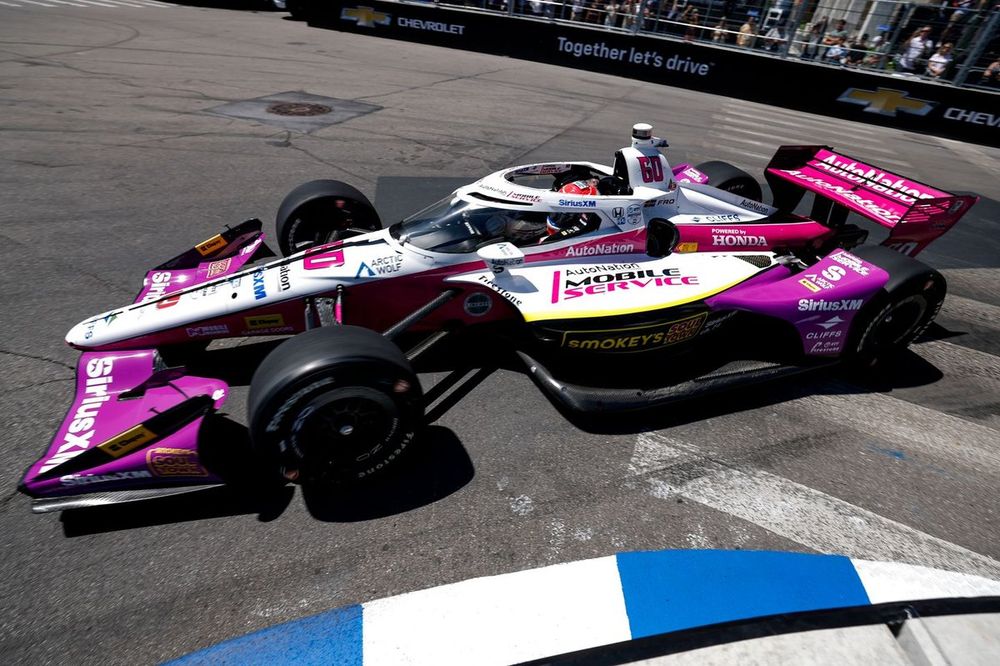
Felix Rosenqvist is set to depart from Meyer Shank Racing at the conclusion of the current IndyCar season, marking a significant transition for the team’s driver lineup. The move comes as the IndyCar paddock enters a period of intense activity regarding driver contracts and team compositions for the upcoming year.
While the departure of a veteran driver often triggers shifts in team technical direction, Meyer Shank Racing has not yet officially announced a replacement for the seat. The exit of Rosenqvist follows a period of rebuilding for the team, which has sought to establish consistent performance within the competitive IndyCar Series field.
What are the details surrounding Felix Rosenqvist’s departure?
Reports indicate that the agreement between Rosenqvist and Meyer Shank Racing will conclude when the current racing calendar ends. The decision marks the end of a tenure that saw the Swedish driver attempt to stabilize his career within the American open-wheel circuit after several years of transitioning between different racing disciplines.

Rosenqvist, a former Formula E champion and a proven race winner in IndyCar, brings a wealth of technical feedback to any organization. Although some early reports incorrectly characterized his career achievements, Rosenqvist’s resume is defined by his success in international single-seater racing and his ability to extract performance from mid-tier machinery. His departure is expected to be a primary focus of the “silly season,” a period in motorsport where driver movements create a domino effect across the grid.
The timing of this departure aligns with the broader trend of IndyCar teams re-evaluating their rosters to align with new technical regulations and sponsorship cycles. For Meyer Shank Racing, finding a driver who can balance commercial appeal with consistent qualifying performance will be the immediate priority.
How has Rosenqvist performed during his tenure?
Since joining the team, Rosenqvist has worked to integrate his driving style with the team’s evolving technical setup. His experience in high-downforce environments and his history in electric racing have provided the team with diverse data points during testing and race weekends.

According to historical performance data from IndyCar official statistics, Rosenqvist has demonstrated the ability to compete at the front of the field in specific conditions, particularly on road and street courses. However, the challenge for Meyer Shank Racing has been maintaining that level of performance across the diverse range of tracks found on the IndyCar schedule, from permanent road courses to short ovals.
The driver’s departure comes at a time when the team is looking to solidify its position as a consistent points-scorer. Evaluating the split requires looking at the intersection of car development and driver consistency, as the team moves toward a new era of driver selection.
What is the impact on Meyer Shank Racing’s future strategy?
The exit of a driver like Rosenqvist forces Meyer Shank Racing to look toward both seasoned veterans and rising talent from the Indy NXT ladder. The team’s ability to secure a high-profile replacement will likely depend on their ability to present a stable technical platform to potential candidates.
The vacancy creates a ripple effect in the driver market. As mid-sized teams like Meyer Shank Racing look for talent, they often compete with larger organizations for the same pool of available drivers. This competition can drive up the cost of driver contracts and influence how teams structure their multi-car operations.
Industry analysts suggest that Meyer Shank Racing may use this transition to pivot their focus toward a different type of driver profile—potentially one with more experience on oval tracks to bolster their performance in the high-speed events that define the IndyCar season. The team’s long-term success will depend on whether they prioritize immediate results or the development of a younger driver through a long-term partnership.
Who are the potential candidates for the open IndyCar seat?
While no official successor has been named, several names are frequently discussed within the paddock. The search for a replacement typically follows two paths: recruiting established talent from other IndyCar teams or promoting standout performers from developmental series.
- Experienced Veterans: Drivers who have spent several seasons in the series and can provide immediate feedback and stability.
- Indy NXT Standouts: Young drivers who have demonstrated exceptional speed and are ready for the jump to the premier class.
- International Talent: Drivers with strong backgrounds in European single-seater championships who are looking to make an impact in North American racing.
The availability of these candidates is contingent upon the movement of other drivers. If a larger team like Team Penske or Chip Ganassi Racing makes a change, it often opens up opportunities for drivers currently in mid-tier seats to move up, which in turn leaves vacancies for teams like Meyer Shank Racing to fill.
Detailed reporting from outlets like Motorsport.com continues to track these negotiations as teams finalize their lineups for the next season. The complexity of these deals often involves not just driver skill, but also the alignment of personal sponsors with team partners.
Comparison of Driver Market Trends
The current driver market shows a distinct shift in how teams approach seat assignments compared to previous years. Below is a comparison of the two primary strategies currently visible in the IndyCar paddock.
| Strategy Element | The Veteran Approach | The Developmental Approach |
|---|---|---|
| Primary Goal | Immediate race results and technical stability. | Long-term growth and cost-effective talent. |
| Risk Level | Lower technical risk; higher salary costs. | Higher technical risk; lower immediate costs. |
| Sponsorship | Often brings established, personal brands. | Requires team to secure new commercial partners. |
| Technical Feedback | High; experienced in multiple car setups. | Variable; requires more time to adapt. |
Meyer Shank Racing’s decision will likely be dictated by their budget and their long-term technical goals. A veteran could provide the stability needed to refine the car’s aero package, whereas a younger driver might offer a more aggressive development curve.
The next major checkpoint for this story will be the official announcement of driver contracts for the upcoming season, which typically intensifies following the conclusion of the final races of the current year. We will continue to monitor official team communications and verified paddock reports for updates on the Meyer Shank Racing lineup.
What do you think about the direction Meyer Shank Racing is taking? Should they look for a veteran or a newcomer? Let us know in the comments below and share this article with your fellow racing fans.
Related reading