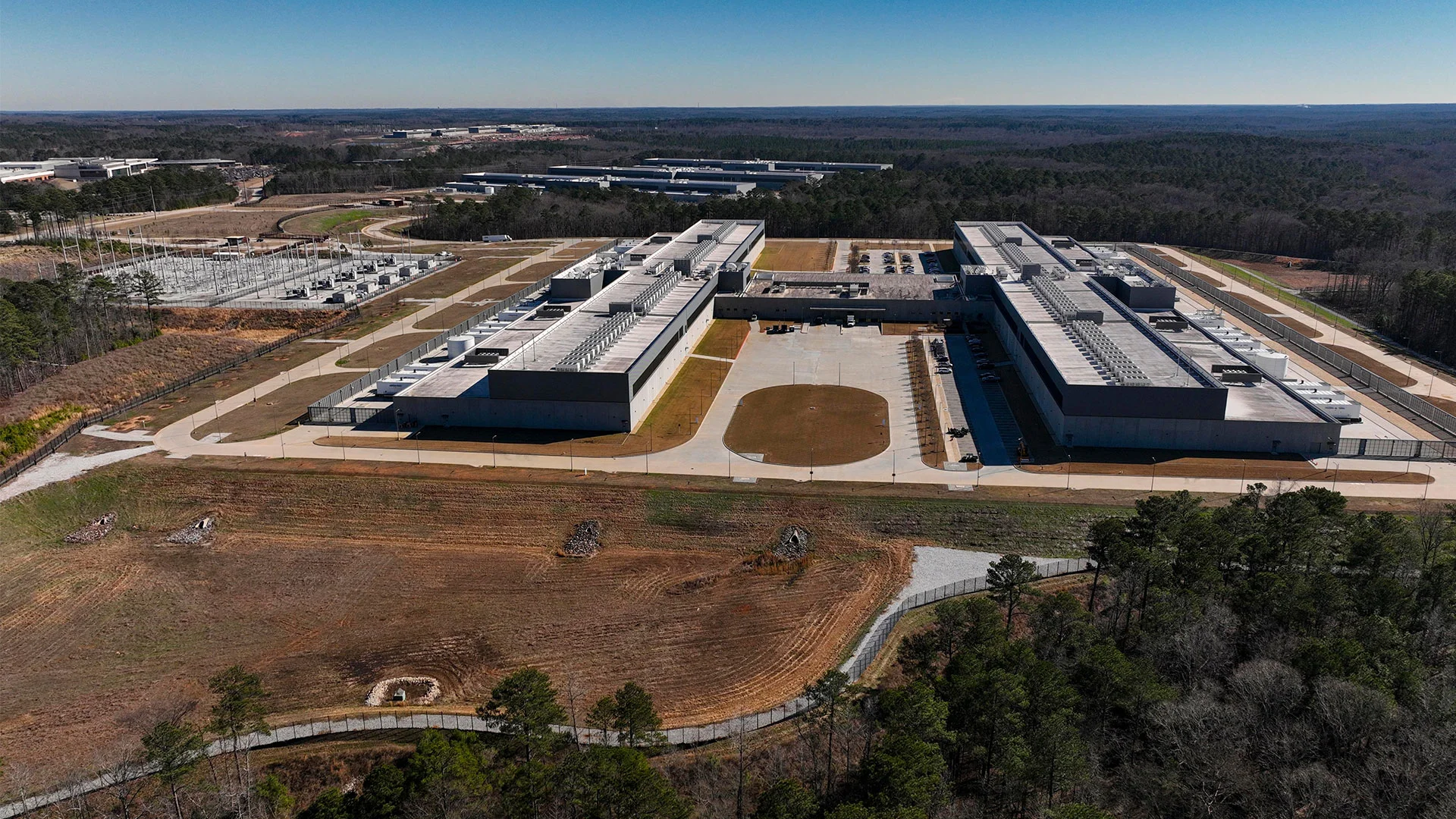
Federal regulators have issued a directive requiring regional grid operators to accelerate the connection process for large energy users, a move intended to address the surging electricity demands of artificial intelligence data centers. The Federal Energy Regulatory Commission (FERC) voted unanimously to mandate that grid operators ensure these power-intensive facilities can connect to the nation’s transmission system in a more timely and orderly manner, according to the official commission meeting record. This decision aims to balance the rapid expansion of AI infrastructure with the existing constraints of an aging electric grid.
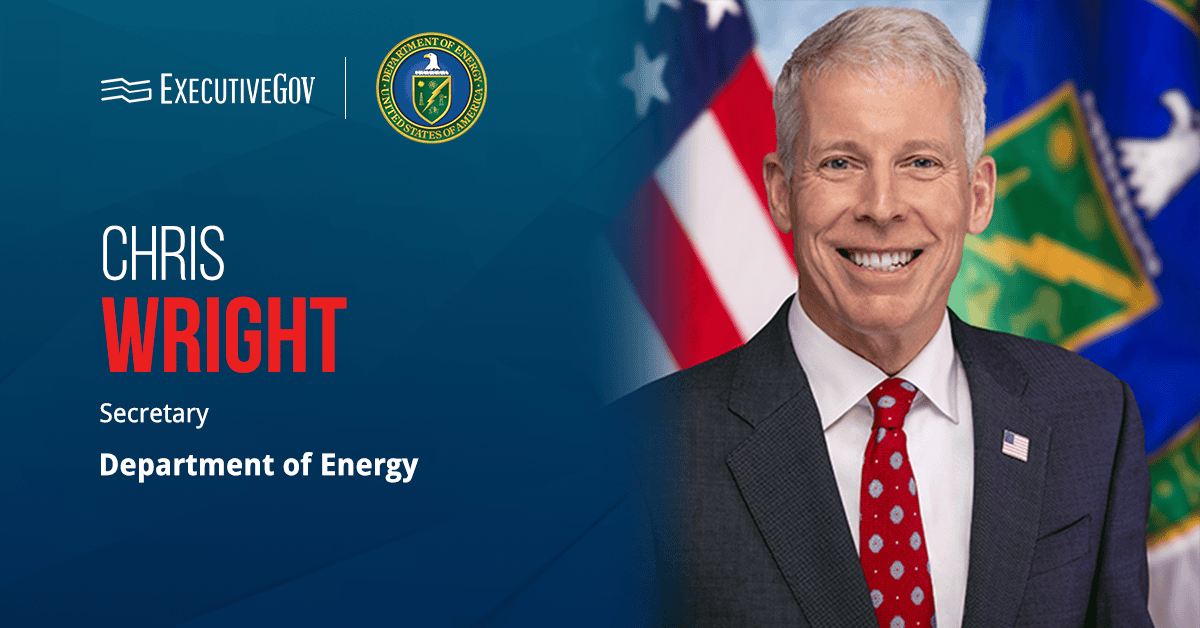
The move follows persistent pressure from federal officials, including Energy Secretary Chris Wright, who has argued that streamlining energy access is essential for maintaining the United States’ competitive edge in the global AI sector. According to the Federal Energy Regulatory Commission, the order targets six regional grid operators that collectively serve approximately 200 million Americans, representing about two-thirds of the commission’s jurisdiction. While the order requires faster processing, it maintains that states retain authority over retail electric rates and specific service conditions.
Regulatory Shifts and Grid Capacity
The commission’s action comes as data center developers face significant delays in securing the necessary power to operate, with some facilities requiring electricity loads comparable to those of small cities. Under the new guidelines, data centers will be responsible for the full cost of any grid upgrades required for their connection, a policy designed to shield residential and commercial ratepayers from shouldering the financial burden of these infrastructure projects. This directive builds upon a December ruling that allowed tech companies to connect data centers directly to power plants, a practice now being standardized across the country.
FERC Chair Laura Swett described the unanimous vote as a necessary step to modernize the nation’s electricity market while respecting state jurisdiction and ensuring reliability. According to statements provided during the commission’s public meeting, regulators have requested that grid operators submit plans within 30 days detailing how they will ensure adequate power supplies for future demand, followed by a 60-day deadline to outline integration strategies. The Edison Electric Institute, representing investor-owned utilities, noted that the order complements existing regional and state processes while encouraging innovation in grid management.
The AI Energy Challenge
Data centers currently account for approximately 5% of total U.S. electricity demand, according to data from the Electric Power Research Institute, a figure that analysts project could triple by 2035. This rapid growth has strained existing infrastructure, leading to warnings about potential supply shortages and rising electricity bills in several regions. Industry representatives, including legal counsel for data center developers, have argued that traditional grid policies were not designed to accommodate the current pace and scale of AI infrastructure development.
Despite the federal push, the industry faces significant hurdles beyond grid connectivity. Local opposition remains a frequent obstacle, with residents in many communities expressing concerns regarding the environmental impact of data centers, including water usage, noise pollution, and the conversion of farmland into industrial sites. Furthermore, supply chain bottlenecks—specifically regarding gas turbines, transformers, and the availability of skilled labor—continue to slow construction timelines for many planned facilities. Estimates suggest that more than 4,000 data centers are currently operational in the U.S., with an additional 3,000 in various stages of planning or development.
What Happens Next
The immediate focus for grid operators is the upcoming 30-day and 60-day reporting deadlines mandated by the FERC order. Because the order leaves retail rate authority with the states, energy consultants suggest that states will need to act rapidly to establish their own rules for accommodating large-scale power users to prevent cost shifts onto the general public. If states fail to provide clarity, industry observers indicate that FERC could potentially assert broader jurisdiction over interconnection issues in the future.
As the regulatory landscape evolves, stakeholders are monitoring how these new connection rules will influence both the speed of AI deployment and the stability of local power grids. Further updates are expected as grid operators submit their initial responses to the commission. We invite our readers to share their perspectives on the balance between technological advancement and local energy security in the comments section below.
Related reading