
Assisted reproductive technology (ART) has become an increasingly common pathway to parenthood globally, yet patients often report a gap between initial expectations and the clinical realities of the process. While clinics frequently emphasize success rates and the promise of biological connection, the medical, financial, and psychological implications—often described by critics as the “ostrich effect” in medical communication—remain areas of concern for patient advocacy groups and public health experts. As the fertility industry continues to expand, understanding the nuances of these procedures is essential for informed decision-making.
According to data from the European Society of Human Reproduction and Embryology (ESHRE), millions of children have been born worldwide through techniques such as in vitro fertilization (IVF). However, the procedure carries inherent risks, including ovarian hyperstimulation syndrome (OHSS), multiple pregnancies, and the potential for emotional distress if cycles fail. These outcomes are not always fully integrated into the initial consultation process, leading some patients to feel unprepared for the complexities of treatment cycles.
Understanding the Clinical Realities of Fertility Treatment
The fertility industry functions as a complex medical sector where private clinics often operate under varying regulatory frameworks. In countries like Spain, which has emerged as a major hub for fertility tourism in Europe, the sector is governed by national laws that permit certain practices, such as egg donation, that may be restricted elsewhere. The Spanish Law on Assisted Human Reproduction (Law 14/2006) provides the legal foundation for these services, emphasizing patient anonymity and specific criteria for donors. Despite this legal structure, the commercial nature of many private clinics creates a tension between business growth and the transparency required for informed patient consent.
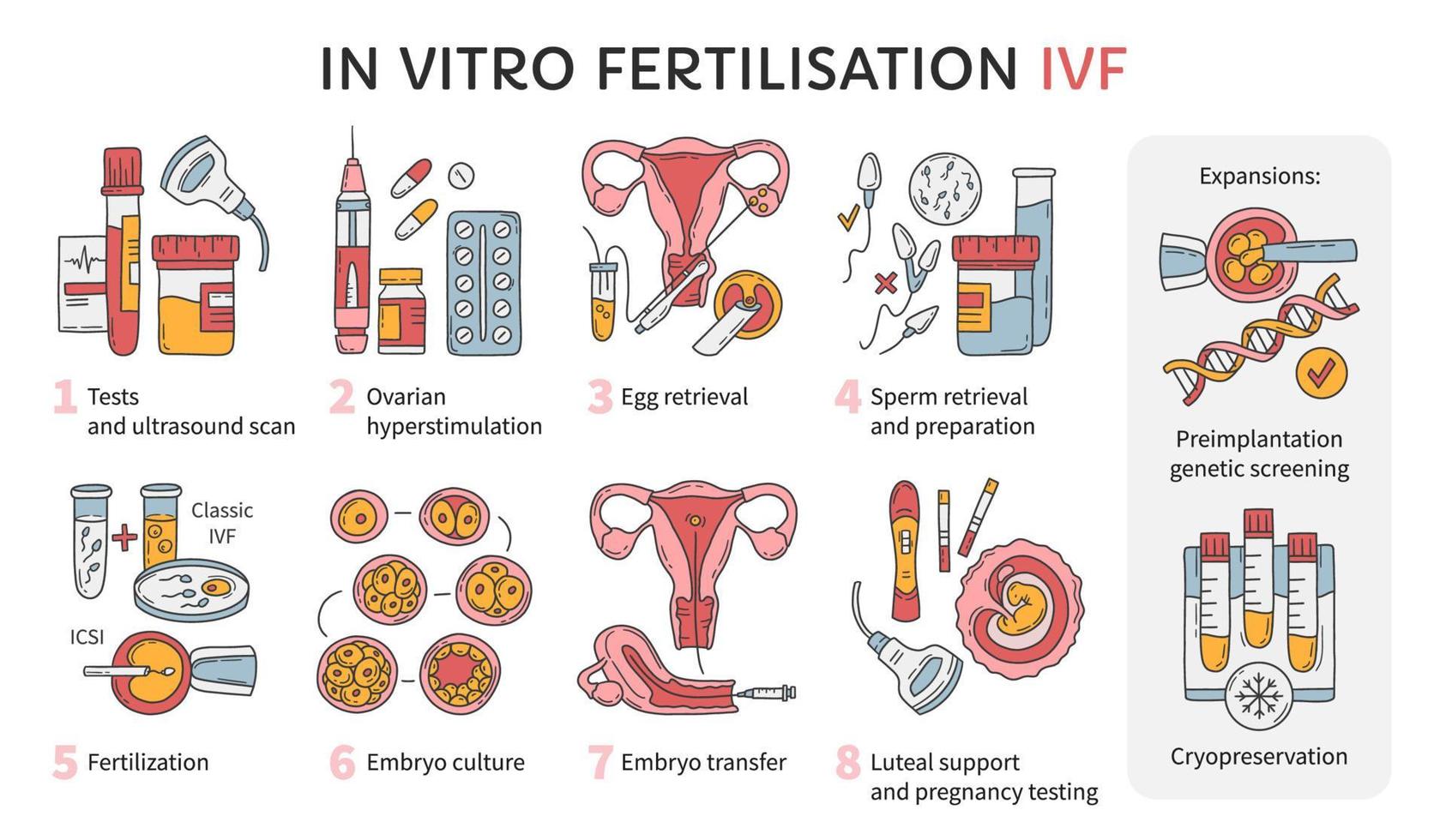
Medical professionals, including those at the Charité – Universitätsmedizin Berlin, frequently stress that ART is not a guaranteed solution to infertility. Patients are often encouraged to evaluate the “success rate” statistics provided by clinics with caution, as these figures can be influenced by patient age, underlying health conditions, and the specific definition of “success”—whether it refers to a biochemical pregnancy, clinical pregnancy, or live birth. The Centers for Disease Control and Prevention (CDC) notes that success rates vary significantly based on individual patient profiles, a fact that is sometimes obscured in marketing materials.
The Psychological and Financial Impact on Patients
Beyond the physical risks, the psychological burden of assisted reproduction is significant. The process often involves intensive hormonal stimulation, frequent clinical monitoring, and the “two-week wait” between embryo transfer and pregnancy testing. Research published in the journal Human Reproduction suggests that the cumulative stress of repeated cycles can lead to anxiety and depression in a subset of patients. Clinicians are increasingly being urged to integrate mental health support into the standard care pathway, rather than treating it as an optional add-on.
Financial transparency is another critical issue. In many private systems, the total cost of treatment can escalate rapidly due to medication requirements, embryo freezing, and additional laboratory procedures like preimplantation genetic testing (PGT). Patients frequently report that they were not initially informed of the full scope of potential costs, particularly if multiple cycles are required to achieve a pregnancy. Advocacy organizations recommend that patients request a comprehensive breakdown of all potential fees before signing any service agreements.
Navigating the “Ostrich Effect” in Medical Communication
The term “ostrich effect” is often used in medical literature to describe the human tendency to avoid information that is perceived as negative or distressing. In the context of fertility, this can manifest when patients—or even clinicians—avoid discussing the statistical likelihood of failure or the potential for long-term health complications. By focusing exclusively on the “hope” of a successful outcome, the critical evaluation of risks can be sidelined.
To mitigate this, medical ethics boards, including the World Medical Association, advocate for a model of shared decision-making. This approach requires clinicians to provide balanced information, ensuring that patients understand not only the benefits but also the limitations and risks of the technology. Transparency regarding the “business” aspect of fertility—including success rates, clinical experience, and transparent pricing—is essential for building trust between patients and practitioners.
Practical Guidance for Patients
For individuals considering assisted reproduction, the following steps are recommended by public health authorities and medical experts:
- Verify Clinical Credentials: Research the clinic’s registration and compliance with national health authorities.
- Request Standardized Statistics: Ask for success rates specifically tailored to your age and medical profile, rather than aggregate clinic averages.
- Demand Full Cost Disclosure: Ensure that all medications, laboratory fees, and potential secondary procedures are included in the initial financial estimate.
- Prioritize Mental Health: Inquire about the availability of counseling services as part of the treatment package.
- Seek Second Opinions: Do not hesitate to consult with more than one specialist to compare treatment plans and risk assessments.
As the scientific understanding of reproductive health evolves, the industry faces increasing pressure to prioritize patient well-being over commercial expansion. The next major update in international standards for fertility clinic reporting is expected during the upcoming ESHRE Annual Meeting, where experts will continue to debate the balance between innovation and patient-centered care. Readers are encouraged to share their experiences in the comments section below to foster a more open dialogue regarding the realities of the fertility journey.