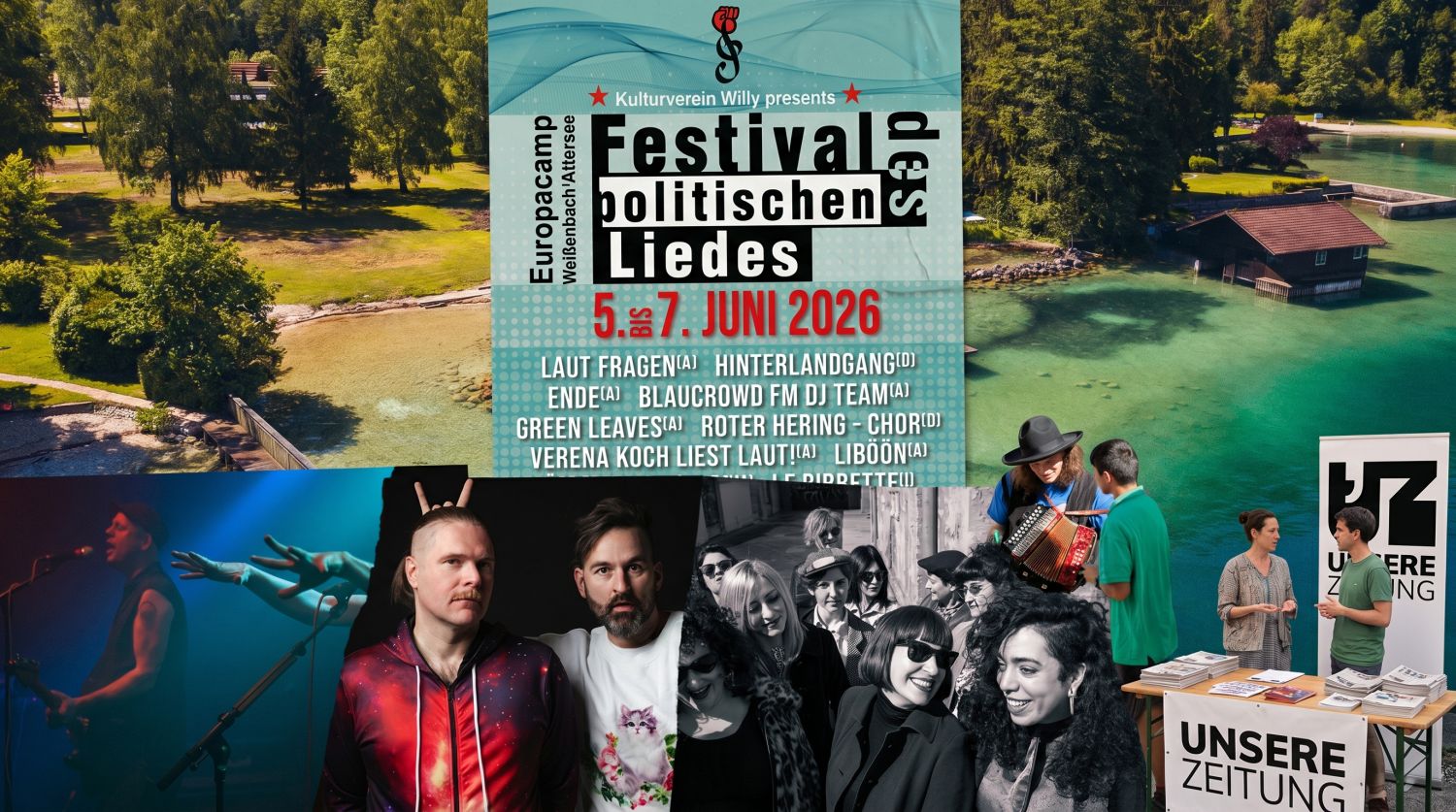
In the intersection of melody and movement, a new rhythm is beginning to emerge. As the global political landscape becomes increasingly complex, the role of the artist as a social commentator has never been more vital. The upcoming 2026 Festival of Political Song, themed around the concepts of music, stance, and new beginnings, promises to be more than just a series of concerts; It’s shaping up to be a significant cultural milestone for activism in Europe, and beyond.
The festival, framed by the evocative German concept of “Musik, Haltung, Aufbruch,” seeks to explore how song can serve as a catalyst for social change. While music has long been a companion to protest, the 2026 iteration aims to bridge the gap between traditional protest songs and the modern, digital-age expressions of political identity. It is a call to action for musicians and audiences alike to move beyond passive listening and toward active engagement.
For a global audience, the significance of such an event extends far beyond the borders of the European continent. The festival arrives at a time when the power of cultural expression is being tested by polarization, censorship, and the rapid evolution of digital discourse. As we look toward 2026, the festival serves as a bellwether for how art will continue to navigate the turbulent waters of 21st-century politics.
The Resonance of Resistance: Defining the 2026 Vision
The central pillars of the 2026 festival—music, stance, and departure—provide a roadmap for the event’s programming. “Musik” refers to the fundamental medium, the sonic tool used to convey complex emotions and political truths. “Haltung,” a German term that translates to “stance” or “attitude,” emphasizes the moral courage required to take a position in an era often defined by political neutrality or apathy. Finally, “Aufbruch” signifies a departure or a new beginning, suggesting that the festival is not merely looking back at the history of protest music, but is looking forward to a new era of activism.
This tripartite theme suggests a shift in how political music is perceived. It is no longer enough to simply sing about injustice; the modern activist artist must embody a stance and facilitate a departure from the status quo. This evolution reflects a broader trend in global social movements, where cultural identity and political action are increasingly intertwined.
The festival is expected to draw a diverse array of performers, ranging from seasoned folk singers and chanson artists to contemporary genres like hip-hop, punk, and electronic music. This cross-genre approach is essential for reaching a multifaceted audience and demonstrating that the impulse to use music as a political tool is universal across musical styles and generations.
The Anatomy of a Protest Song: Music, Attitude, and “Haltung”
To understand the importance of the 2026 festival, one must first understand the concept of “Haltung.” In the context of political songwriting, “Haltung” is the refusal to remain silent in the face of inequality or injustice. It is the intentionality behind the lyric and the conviction behind the performance. For the artists participating in the 2026 festival, this means crafting works that do more than provide a soundtrack to unrest; they must provide a framework for thought and a vehicle for collective identity.
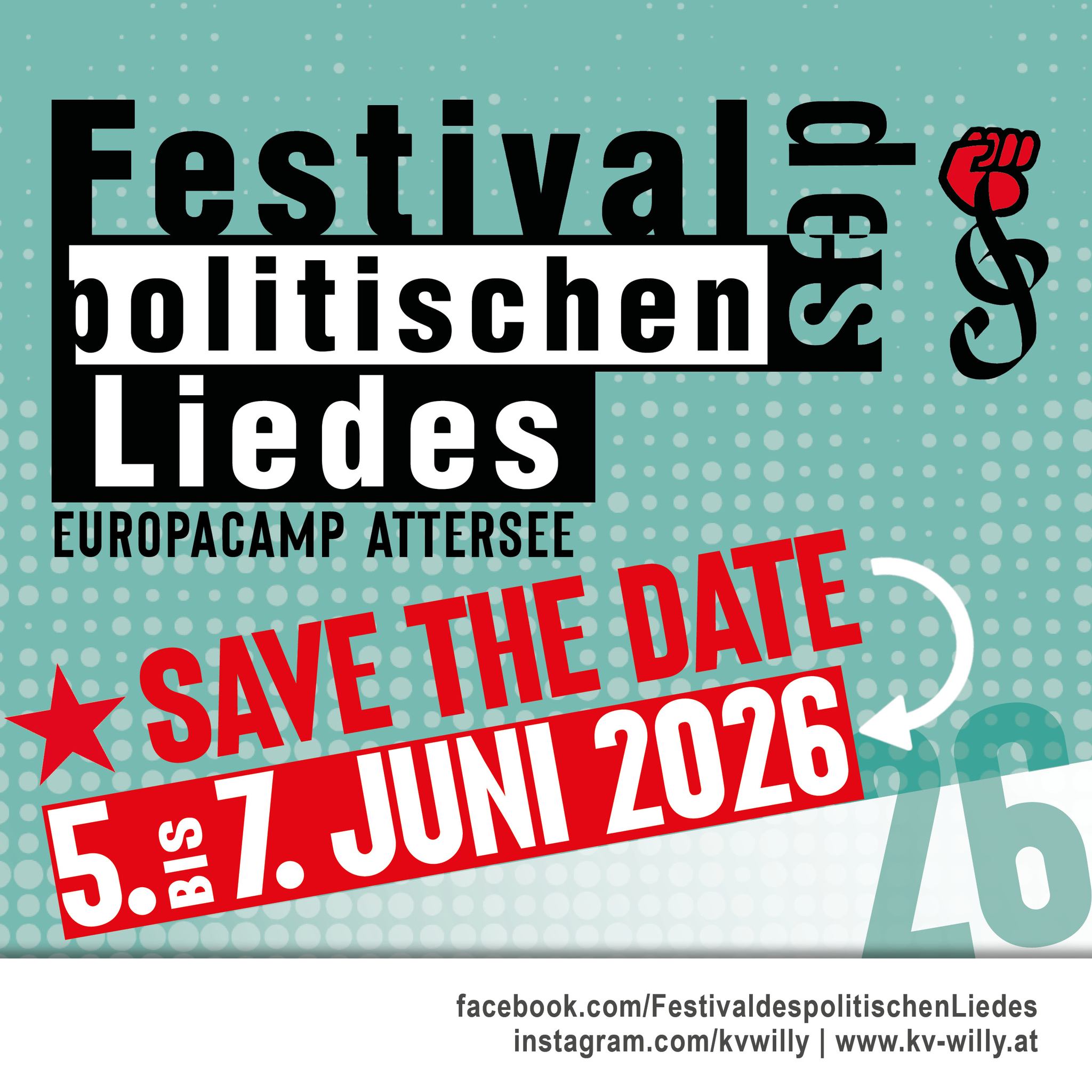
The history of the political song is a testament to this power. From the civil rights anthems of the United States to the anti-apartheid songs of South Africa, music has provided a sense of unity and a shared language for those fighting for change. These songs often serve as “sonic landmarks,” marking moments of profound social transformation. The 2026 festival aims to continue this lineage, providing a platform for the next generation of “sonic landmarks.”
However, the modern landscape presents new challenges. In an age of algorithmic curation and echo chambers, how does a political song break through the noise to reach a wider audience? This is one of the critical questions the festival intends to address. The concept of “Aufbruch” (departure) is particularly relevant here, as it suggests a need to find new ways of distributing and experiencing music that can bypass traditional barriers and foster genuine connection.
A Historical Continuum: From Folk Traditions to Modern Activism
The tradition of the political song is deeply rooted in European history, particularly within the “Liedermacher” tradition in Germany and the protest folk movements of the 1960s. These genres relied heavily on lyricism and acoustic instrumentation to deliver poignant messages. The political song was often a tool of the working class, a way to voice grievances and demand rights in a way that was both accessible and powerful.
As music evolved, so did the methods of political expression. The rise of rock and roll in the mid-20th century brought a new level of volume and energy to protest, while the emergence of hip-hop in the late 20th century provided a raw, unfiltered medium for marginalized voices to confront systemic issues. Each movement has added a new layer to the history of musical activism, expanding the vocabulary of protest.
The 2026 festival recognizes this continuum. By bringing together artists from various eras and genres, the event highlights the shared DNA of political music. Whether it is a simple acoustic ballad or a complex electronic track, the core intent remains the same: to use sound to challenge power and advocate for a more just world. This historical perspective is crucial for understanding how current musical trends are shaped by the political struggles of the past.
Why the World is Listening: The Sociopolitical Context
The timing of the 2026 festival is not coincidental. We are living in a period of intense geopolitical realignment and social upheaval. Issues such as climate change, rising economic inequality, and the impact of digital surveillance on democratic processes are at the forefront of global concern. In this climate, the need for art that engages directly with these issues is paramount.
Music has a unique ability to humanize statistics and abstract political concepts. While a news report might detail the numbers of people displaced by conflict, a song can convey the profound human suffering and the resilience of the human spirit. This emotional resonance is what makes political music such a potent tool for social mobilization. It creates empathy, fosters community, and provides a sense of hope even in the darkest of times.
the festival arrives at a moment when the concept of “truth” is being contested in the public square. In an era of misinformation, the authenticity of the artist’s “Haltung” becomes a vital marker of credibility. Audiences are increasingly looking for voices that are not only musically skilled but also ethically grounded. The 2026 festival provides a curated space where this authenticity can be explored and celebrated.
The Future of Musical Activism: Beyond the Stage
As the festival approaches, the conversation is already shifting toward the long-term impact of such gatherings. The goal of the 2026 Festival of Political Song is not merely to host a successful event, but to spark a sustained movement. This involves looking beyond the stage and considering how music can be integrated into broader social and political strategies.
One way this can be achieved is through the use of digital platforms to amplify political messages and connect activist communities globally. The intersection of live performance and digital engagement offers unprecedented opportunities for mobilization. However, this also requires a careful navigation of the ethical implications of digital activism, including data privacy and the potential for algorithmic suppression of political content.
Another key aspect of the future of musical activism is the role of the festival as a site for education and dialogue. By hosting workshops, panel discussions, and interactive sessions, the festival can empower artists and activists with the tools they need to make a meaningful impact. This educational component is essential for ensuring that the “Aufbruch” initiated in 2026 continues long after the final notes have faded.
Key Takeaways: The 2026 Festival of Political Song
- Core Themes: The festival is built on the pillars of “Musik” (the medium), “Haltung” (the moral stance), and “Aufbruch” (the new beginning).
- Genre Fluidity: The event will feature a diverse range of musical styles, from traditional folk and chanson to contemporary hip-hop and electronic music.
- Sociopolitical Relevance: The festival responds to a global climate of polarization and social change, using music to humanize complex political issues.
- Historical Continuity: It bridges the gap between historical protest traditions and modern, digital-age activism.
- Long-term Goal: The objective is to foster a sustained movement of musical activism that extends beyond the festival dates.
As the international community looks toward 2026, the Festival of Political Song stands as a reminder that art is never neutral. In a world that often demands silence, the act of singing becomes a profound gesture of defiance and a powerful tool for building a better future.
Official updates regarding the 2026 festival lineup, venue announcements, and ticket availability are expected to be released through major cultural news outlets and official festival organizers in late 2025.
What do you think is the most powerful political song of our time? Share your thoughts in the comments below and share this article with your network.
Worth a look