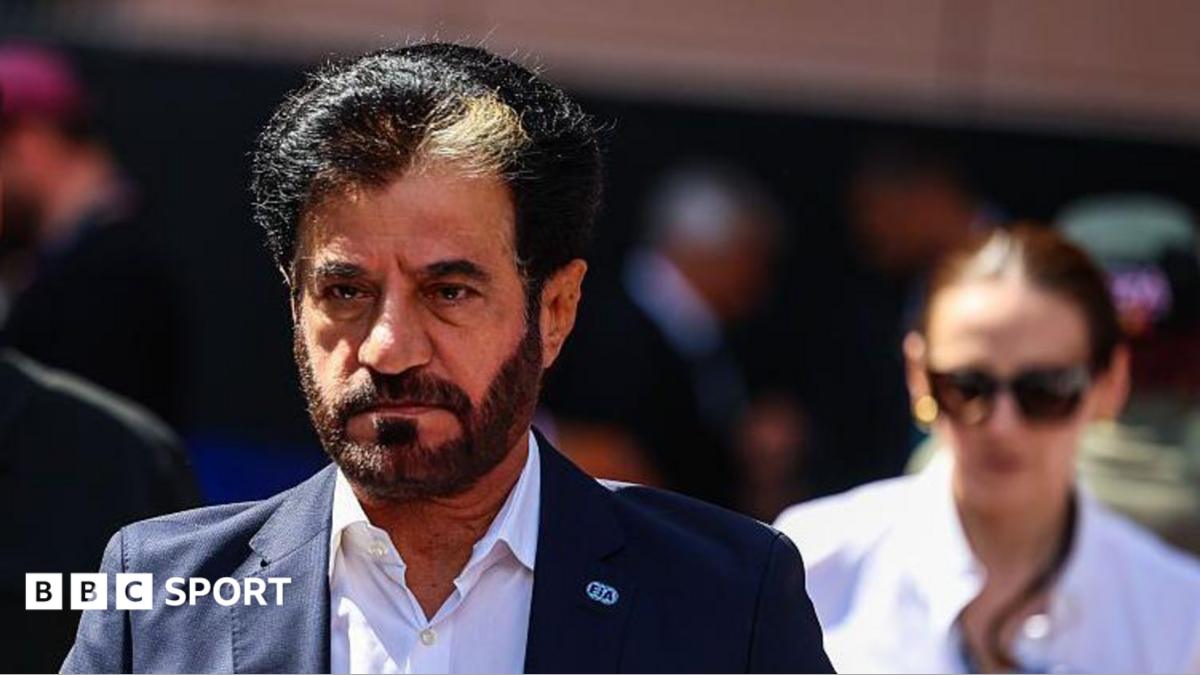
The Fédération Internationale de l’Automobile (FIA) has moved to eliminate term limits for its presidency, a decision finalized during the organization’s recent General Assembly. According to official reports, the proposal to remove the current restrictions on the presidential term was passed by a majority of more than 90% of the voting members, allowing for potentially indefinite tenure for future leaders of the governing body for Formula 1 and other international motorsport series.
The vote, which took place during the FIA Annual General Assembly, marks a significant shift in the internal governance structure of the organization. Under the previous statutes, the FIA president was limited to serving a maximum of three four-year terms. The amendment to the statutes effectively removes this cap, granting the incumbent president and their successors the ability to seek re-election beyond the 12-year threshold previously established under the tenure of former president Jean Todt.
Understanding the Governance Change
The decision to remove term limits represents a departure from the governance reforms implemented in 2012, which were designed to professionalize the FIA and ensure regular leadership turnover. The current FIA president, Mohammed Ben Sulayem, who assumed office in December 2021, has faced various operational challenges, including disputes over financial transparency and regulatory control within the Formula 1 paddock. According to Reuters, the vote was conducted by the member clubs of the FIA, which represent automotive and touring organizations globally.

The legislative change requires a two-thirds majority to alter the FIA statutes. The reported 90% margin suggests broad consensus among the voting member clubs, despite ongoing tensions between the FIA leadership and Formula 1’s commercial rights holder, Liberty Media. This move allows the current administration to consolidate its influence as it navigates complex negotiations regarding the future of the Concorde Agreement and the entry of new manufacturers into the sport.
Impact on Formula 1 Oversight
The FIA holds the regulatory power over Formula 1, including the enforcement of safety standards, the approval of technical regulations, and the oversight of race stewards. Critics of the decision to remove term limits have expressed concerns regarding the concentration of power within the presidency. However, proponents within the FIA structure argue that long-term stability is necessary to manage the rapid technological shifts in electric and hybrid racing, as well as the sport’s expanding global footprint.

This structural change follows a period of administrative turnover within the FIA’s technical and legal departments. In recent months, several high-profile officials have resigned from their positions, including the FIA’s single-seater technical director, Tim Goss, and sporting director Steve Nielsen, as reported by BBC Sport. These departures have prompted questions from team principals regarding the continuity of the FIA’s regulatory approach during a period of significant rule changes scheduled for the 2026 season.
The Path Forward for FIA Leadership
With the term limits now removed, the focus shifts to the upcoming electoral cycle. While the current president has not explicitly declared a campaign for a secondary term beyond his current one, the removal of the statutory barrier clears the path for a long-term presidency. The FIA has stated that this move aligns the organization with other international sports federations that do not impose strict term limits on their executive leadership.
The next major milestone for the governing body will be the ratification of the 2026 technical regulations, which will define the future of power unit development in Formula 1. The stability of the presidency will likely be a central theme in discussions between the FIA, the Formula 1 teams, and the commercial stakeholders as they attempt to reconcile competing interests regarding engine development and budgetary controls.
As the organization moves into this new phase of governance, transparency remains a point of interest for fans and industry observers. Further updates regarding the implementation of these statutes are expected to be published on the official FIA website in the coming months. We invite our readers to share their perspectives on these governance changes in the comments section below.
Worth a look