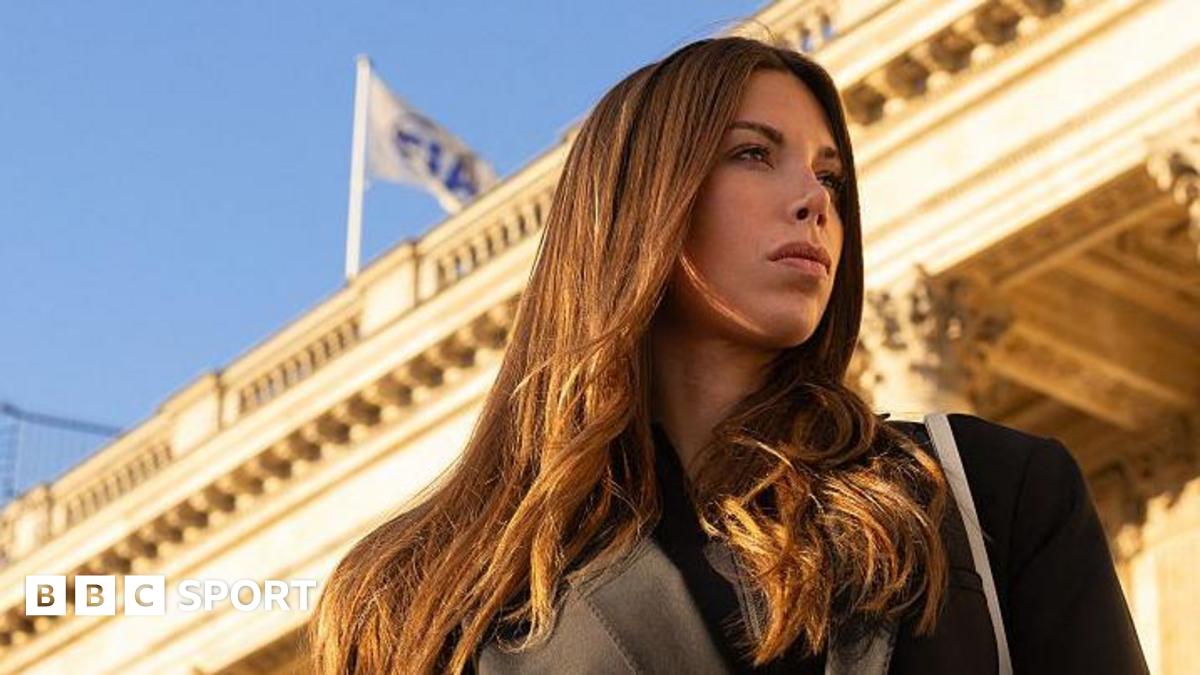
FIA Presidential Election Controversy: A Deep Dive into the Villars Challenge and Concerns Over Fairness
the upcoming FIA presidential election is facing mounting scrutiny, with candidate Isabelle villars formally challenging the process. This isn’t simply about a contested race; it’s about the very foundations of governance, democracy, and integrity within the world’s governing body for motorsport. But what exactly are the issues, and what does this mean for the future of the FIA? Let’s break down the complexities.
The Core of the Dispute: A Limited Playing Field
Villars, who announced her candidacy in September, is raising serious concerns about the structure of the election. The primary issue? A significant barrier to entry created by the limited availability of eligible vice-presidents, particularly from the South American region.
Candidates are required to nominate a vice-president from each of the FIA’s global regions. However, only one individual from South America - Fabiana Ecclestone, wife of former formula 1 boss Bernie Ecclestone – appears on the official list of 29 potential candidates. Since she’s already aligned with incumbent Mohammed Ben Sulayem,this effectively blocks any other candidate from fulfilling the regional depiction requirement.
This situation, as Villars argues, creates an “impossibility of presenting an option list” and an “unprecedented situation of a single eligible candidate” for a crucial region. It raises questions about whether a truly competitive election is even possible.
Mayer’s Earlier Concerns: Echoes of a Problem
Villars isn’t alone in voicing these concerns. American candidate Tim Mayer withdrew from the race in October, citing a ”lack of transparency” and describing the process as “the illusion of democracy.” He pointed to similar obstacles in building a viable slate of vice-presidents.
The FIA responded at the time, asserting the election was a “structured and democratic process, to ensure fairness and integrity at every stage.” Though, Villars’ challenge suggests these assurances haven’t fully addressed the underlying issues. You can read more about Mayer’s withdrawal on the BBC Sport website. https://www.bbc.com/sport/formula1/articles/czxnve0kezvo
What’s at Stake? Governance, Democracy, and Integrity
Villars’ challenge isn’t just about her own candidacy.It’s a direct appeal to the FIA’s stated principles. She’s questioning whether the electoral procedures genuinely uphold the institution’s commitment to:
* Governance: Are the rules fair and consistently applied?
* Democracy: Is there a genuine chance for alternative leadership?
* Integrity: Is the process obvious and free from undue influence?
These are fundamental questions for any governing body, and their resolution will have a significant impact on the FIA’s credibility and future direction.
the Upcoming Hearing: A Potential Turning Point
A hearing is scheduled where Villars’ objections will be formally addressed by the court. The press release indicates the “validity” of the election itself could be “reviewed, challenged, or annulled” based on the outcome. this is a critical moment.
The FIA has been contacted for comment but has yet to respond publicly. The outcome of this hearing will likely set a precedent for future FIA elections and could reshape the organization’s leadership.
Beyond the Headlines: Understanding the FIA structure
To fully grasp the implications of this dispute, it’s helpful to understand the FIA’s structure. The FIA is a non-profit organization representing the interests of motoring and sport worldwide. It comprises over 100 member clubs, each representing a country or region.
The President, elected by the General Assembly, is the highest-ranking official. The role is crucial in shaping the future of motorsport, from Formula 1 to rallying and beyond. Recent data from the FIA shows a growing global participation in motorsport events, highlighting the importance of a strong and legitimate governing body. https://www.fia.com/
What Does This Mean for You, the Motorsport Fan?
A fair and transparent election process is vital for the health of motorsport. It ensures that the leadership is accountable to the member clubs and the wider community. If concerns about fairness aren’t addressed, it could erode trust in the FIA and potentially impact the future of