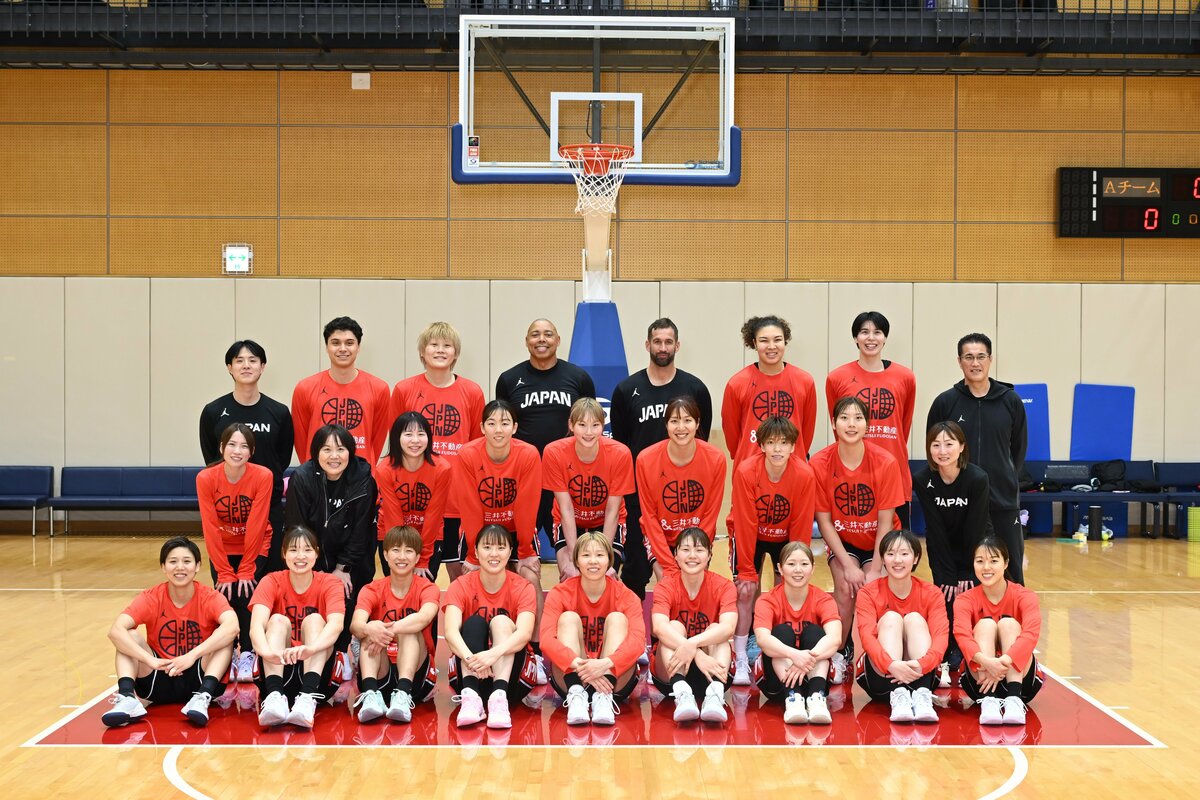
Japan’s Women’s Basketball Team Battles for World Cup and Olympic Berth
The road to the 2026 FIBA Women’s Basketball World Cup and a potential berth in the 2028 Los Angeles Olympics intensifies this month as Japan’s national team enters the final qualifying round. Fans across Japan will be able to follow every crucial moment, with comprehensive broadcast coverage planned across multiple platforms, including terrestrial television and streaming services. This qualifying tournament represents a significant step for the Japanese team, which has been steadily gaining momentum on the international stage. The team’s performance in Istanbul, Turkey, will determine whether they secure a coveted spot in the World Cup, scheduled to be held in Berlin, Germany, starting September 4th.
The FIBA Women’s Basketball World Cup 2026 Qualifying tournament, featuring Japan, is set to be broadcast live on three terrestrial channels and via streaming on FOD (Fuji TV on Demand) and Fuji TV NEXT. Specific broadcast times are scheduled for March 11th (Wednesday) at 25:45, March 12th (Thursday) at 26:15, and March 17th (Tuesday) at 24:55, offering extensive coverage for Japanese basketball enthusiasts. This widespread accessibility underscores the growing national interest in women’s basketball and the team’s progress.
A Challenging Road Ahead in Istanbul
The final qualifying round will be held in Istanbul, Turkey, presenting a formidable challenge for Japan. The team, currently ranked 11th in the world by FIBA, will face stiff competition from other top-tier nations, including seventh-ranked Canada and 16th-ranked Turkey. Only the top three teams, excluding Australia which has already qualified, will earn a place in the 2026 World Cup. This high-stakes environment demands peak performance and strategic gameplay from the Japanese squad.
Head coach Corey Gaines has been instrumental in the team’s development, guiding them through a period of growth and improvement. Under his leadership, the Japanese team has demonstrated increasing competitiveness, laying the groundwork for a strong push towards both the World Cup and the Los Angeles Olympics. Gaines took the helm last year, signaling a renewed focus on international success for Japanese women’s basketball. The FIBA website provides detailed information on the qualifying process and tournament schedule.
Blending Experience and Youth
The Japanese team boasts a compelling mix of seasoned veterans and emerging young talent. Experienced players like Maki Takada, 36, and Yuki Miyazawa, 32, provide leadership and stability, drawing on years of international competition. Their presence is crucial for guiding the younger players and maintaining composure under pressure. Alongside these established stars, a new generation of players is making its mark, including 20-year-old Kokoro Tanaka, who impressed at last year’s Asian Cup, finishing among the top five players.
Adding to the team’s depth is Mai Yamamoto, 26, who returns to the national team after competing in the WNBA in the United States. Yamamoto’s experience playing at the highest level of professional basketball will be invaluable as Japan navigates the challenging qualifying tournament. The team’s dynamic, led by captain Miyazawa, represents a blend of generations and aspirations, united by a common goal: to secure a spot in the World Cup for the 15th consecutive tournament. The Japan Basketball Association offers profiles of the players and updates on team activities.
The Significance of Qualification
Qualifying for the FIBA Women’s Basketball World Cup is more than just a sporting achievement for Japan; it’s a crucial step towards securing a place in the 2028 Los Angeles Olympics. The World Cup serves as a major platform for showcasing the team’s talent and gaining valuable experience against the world’s best. A strong performance in Berlin would not only boost the team’s morale but as well enhance its chances of success at the Olympics. The 2028 Los Angeles Olympics represent a significant opportunity for the Japanese team to compete on a global stage and inspire a new generation of basketball players.
The competition in Istanbul is expected to be intense, with Canada and Turkey posing significant threats. Canada, currently ranked seventh in the world, boasts a roster of talented players and a strong basketball tradition. Turkey, ranked 16th, will have the advantage of playing on home court, providing them with enthusiastic support from local fans. Japan will need to execute its game plan flawlessly and demonstrate resilience to overcome these challenges. The team’s ability to adapt to different playing styles and maintain focus under pressure will be key to its success.
The upcoming matches represent a pivotal moment for Japanese women’s basketball. With a blend of experience, youth, and dedicated coaching, the team is well-positioned to craft a strong push for qualification. The comprehensive broadcast coverage will allow fans across Japan to rally behind their team and witness their journey towards the World Cup and the Olympics. The stakes are high, but the Japanese team is determined to rise to the occasion and make their mark on the international basketball stage.
As the team prepares for the challenges ahead, the focus remains on teamwork, strategic gameplay, and unwavering determination. The qualifying tournament in Istanbul will undoubtedly test their mettle, but the Japanese women’s basketball team is ready to embrace the challenge and fight for their place among the world’s elite. The next update on the team’s progress will be available following the conclusion of the qualifying tournament in Istanbul, with results and analysis to follow on the Japan Basketball Association website.
Stay tuned for further updates and be sure to support the Japanese women’s basketball team as they pursue their dreams of World Cup and Olympic glory. Share your thoughts and predictions in the comments below!