The Invisible Power of Fiber: A Shield for Cognitive Health
Our brains, arguably the most complex organs in the human body, are increasingly recognized as being profoundly influenced by factors beyond genetics and lifestyle. Emerging research consistently points to the critical role of the gut microbiome – the trillions of bacteria, fungi, and other microorganisms residing in our digestive system – in maintaining not just digestive health, but also cognitive function. And at the heart of a thriving gut microbiome lies dietary fiber. A growing body of evidence, including studies published in early March 2026, demonstrates that a diet rich in fiber isn’t simply beneficial for regularity; it’s a cornerstone of brain health, potentially slowing cognitive decline and even offering protection against neurodegenerative diseases.
The connection between what we eat and how we think is becoming increasingly clear. Fiber, a type of carbohydrate that the body can’t digest, acts as a crucial fuel source for the beneficial bacteria in our gut. These bacteria, in turn, produce metabolites – compounds created during digestion – that directly impact brain function. One of the most important of these metabolites is butyrate, a short-chain fatty acid that plays a vital role in maintaining the integrity of the intestinal lining and reducing inflammation throughout the body. This reduction in inflammation is key, as chronic inflammation is increasingly linked to a range of cognitive impairments.
How Fiber Protects Our Brains: The Gut-Brain Axis
The communication pathway between the gut and the brain is known as the gut-brain axis. This complex network involves the vagus nerve, the immune system, and the endocrine system, allowing for constant two-way communication. Fiber’s influence on the gut microbiome directly impacts this axis. By promoting the growth of beneficial bacteria, fiber enhances the production of neuroprotective compounds like butyrate, which can cross the blood-brain barrier and exert direct effects on brain cells. Butyrate has been shown to improve neuronal plasticity – the brain’s ability to form latest connections – and enhance cognitive function. Regenera Health details the role of butyrate in overall health, including its impact on the gut and brain.
Researchers at the Rowett Institute at the University of Aberdeen in Scotland and King’s College London have found a direct correlation between fiber intake and reduced symptoms of cognitive decline. Studies involving adults over the age of 60 have shown that those with higher fiber diets exhibit improved memory and sharper cognitive abilities. Intriguingly, even in patients diagnosed with Alzheimer’s disease, researchers have observed a lower presence of bacteria that produce butyrate, suggesting a potential link between gut health and the progression of the disease. This finding reinforces the idea that the gut microbiome is a largely underestimated resource in promoting healthy aging and protecting against neurodegenerative conditions.
Recommended Foods and Daily Intake Goals
Despite the compelling evidence, fiber intake remains alarmingly low in many populations. Statistics indicate that approximately 97% of men and 90% of women in the United States do not consume enough fiber, often falling short of even half the recommended daily amount. Similar deficiencies are observed in over 90% of adults in the United Kingdom. The BBC reports on these findings, highlighting the widespread issue of insufficient fiber consumption.
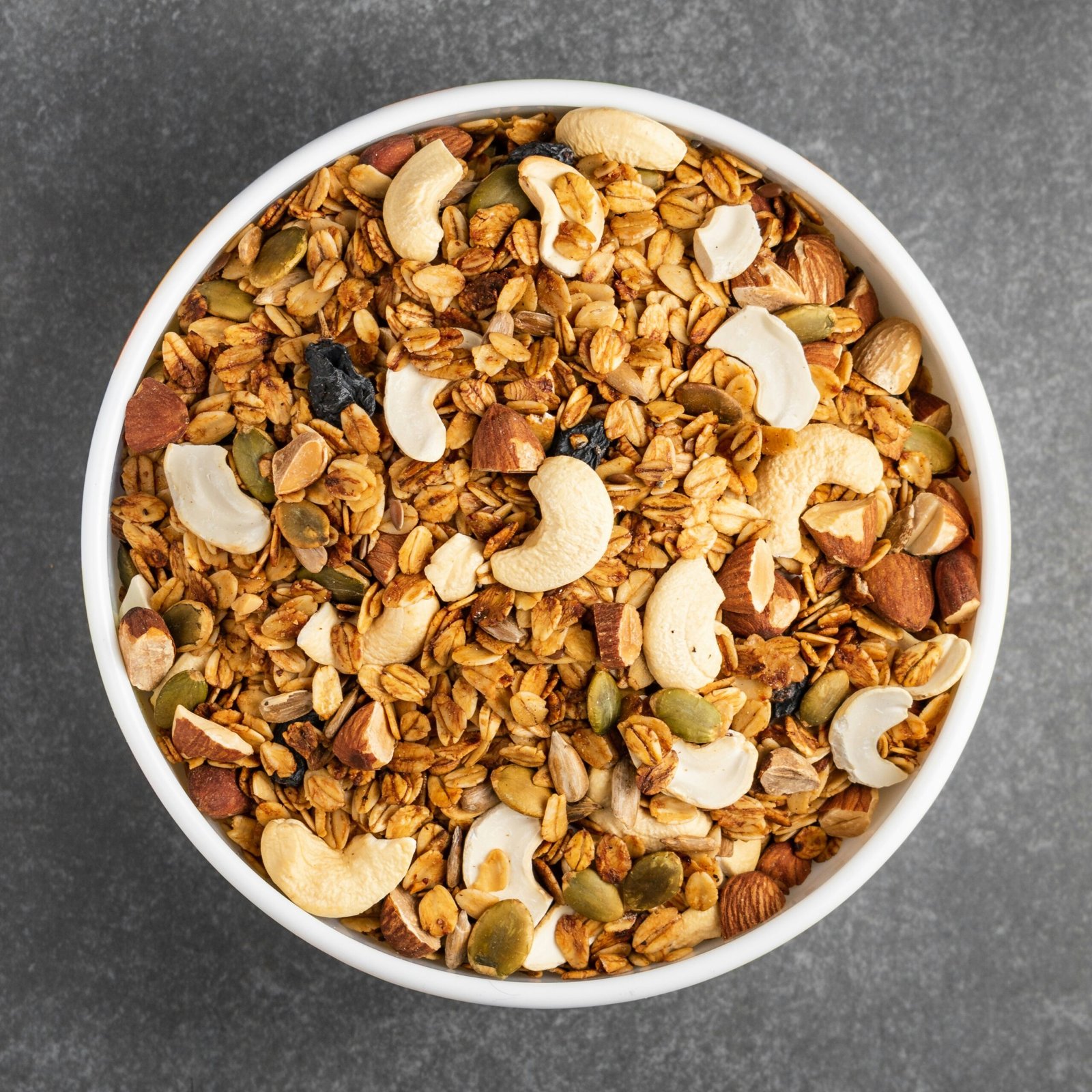
Experts recommend a daily intake of 25 to 30 grams of fiber to reduce the risk of mortality from coronary heart disease, type 2 diabetes, and stroke by up to 30%. Achieving this goal doesn’t require drastic dietary changes, but rather a conscious effort to incorporate fiber-rich foods into each meal. Excellent sources of fiber include whole grains, legumes, fruits, vegetables, nuts, and seeds. Prioritizing these foods over refined grains and processed foods is a simple yet powerful step towards improving both gut and brain health.
Simple Strategies to Increase Intake
Boosting fiber intake can be surprisingly easy. Swapping white bread for whole-wheat bread, adding a handful of berries to your breakfast cereal, or choosing beans as a side dish instead of potatoes are all effective strategies. Snacking on natural popcorn or apples can also make a significant difference. For individuals who have difficulty chewing, prebiotic fiber supplements have shown promise in clinical trials, improving memory test scores in as little as three months.
The key to a healthy brain, however, lies in the diversity of the gut microbiome. Consuming a wide variety of plant-based foods ensures a diverse range of fibers, each feeding different types of beneficial bacteria. This diversity is crucial for maintaining a resilient and balanced gut ecosystem. The fermentation process involved in creating foods like yogurt and kefir can also contribute to gut health by introducing beneficial bacteria.
Butyrate, a key product of fiber fermentation, isn’t just beneficial for gut health. Laboratorio Cobas explains that butyrate also has a significant impact on mental health, influencing the gut-brain connection and potentially alleviating symptoms of inflammation.
increasing fiber consumption is likely one of the most effective and affordable dietary changes we can make to protect our minds in the long term. It’s a proactive step towards fostering a healthy gut microbiome, strengthening the gut-brain axis, and safeguarding cognitive function throughout life.
Key Takeaways:
- Dietary fiber plays a crucial role in supporting a healthy gut microbiome.
- The gut microbiome influences brain health through the gut-brain axis.
- Butyrate, a metabolite produced by gut bacteria, is particularly important for cognitive function.
- Most people do not consume enough fiber, increasing their risk of cognitive decline.
- Simple dietary changes can significantly increase fiber intake and improve brain health.
As research continues to unravel the intricate connections between the gut and the brain, one thing is becoming increasingly clear: prioritizing fiber intake is an investment in our long-term cognitive well-being. Future studies will undoubtedly further refine our understanding of the optimal fiber intake for different populations and explore the potential of targeted prebiotic and probiotic interventions to enhance brain health. The next major conference on the gut-brain axis is scheduled for November 2026 in Barcelona, where researchers will present the latest findings in this rapidly evolving field.
What are your thoughts on the gut-brain connection? Share your experiences and questions in the comments below. And if you found this article informative, please share it with your friends and family!
Related reading