Slovak Opposition Fuels Debate on Fuel Prices, Echoing Fico’s Past Criticism
Bratislava – A recurring political tactic has resurfaced in Slovakia, as opposition figures are revisiting a familiar strategy employed by current Prime Minister Robert Fico when he was in opposition: highlighting the cost of fuel at the pump. The practice, which began gaining traction several years ago, centers around visits to the same petrol station to draw attention to price fluctuations and accuse the government of failing to adequately address the financial burden on citizens. This tactic underscores the enduring sensitivity of fuel costs as a political issue in Slovakia, and the willingness of opposition parties to leverage public discontent. The current focus on fuel prices comes amid broader economic concerns and geopolitical factors influencing energy markets, including the conflict in the Middle East and disruptions to shipping lanes like the Hormuz Strait.
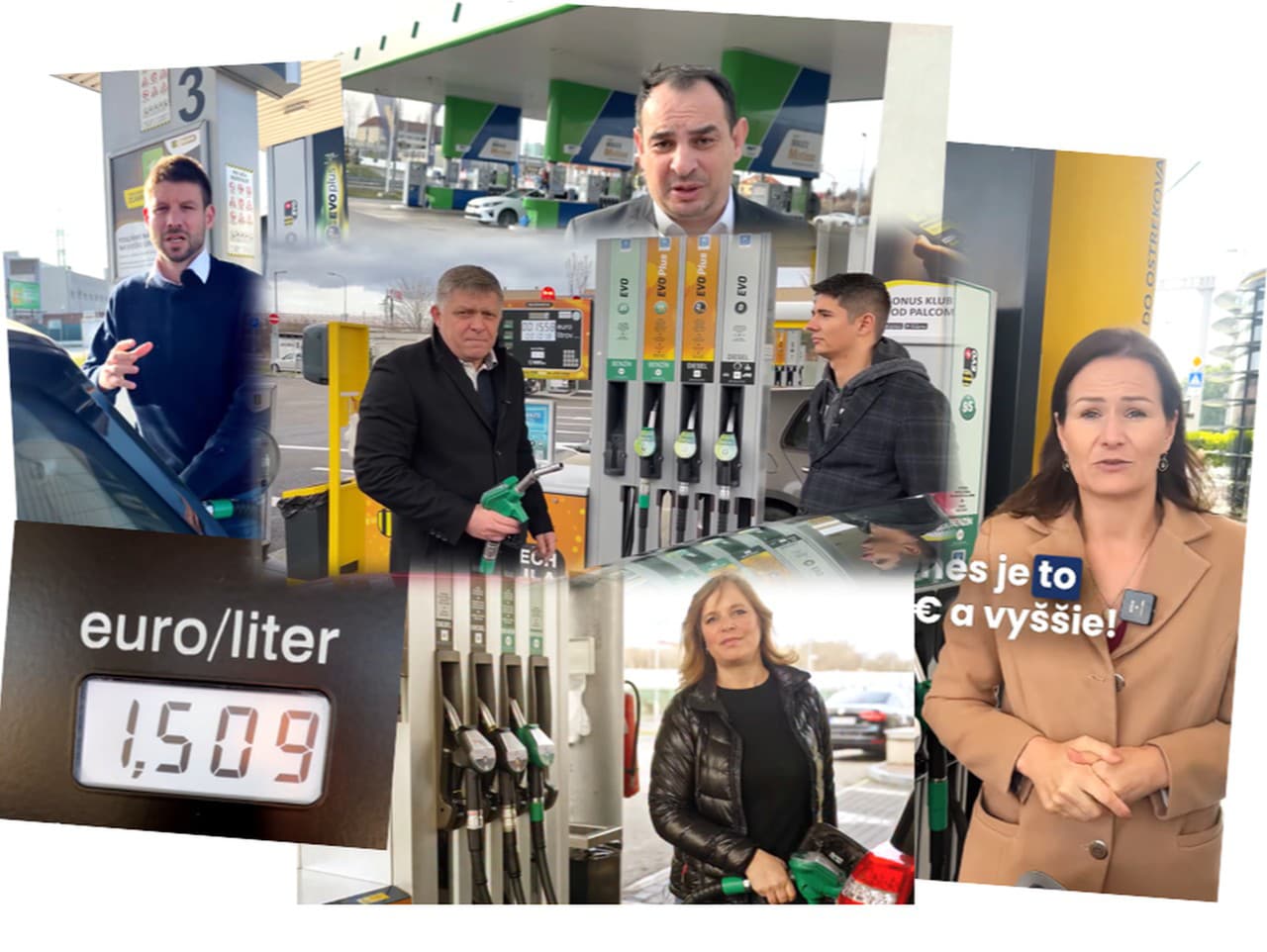
The latest iteration of this political maneuver began with a video posted by Michal Šimečka, the leader of the Progressive Slovakia party, who filmed himself filling up at the same petrol station where Fico, then an opposition leader, criticized the government in February 2022. Fico, at the time, condemned the price of 1.53 euros per liter for 95-octane petrol, contrasting it with lower prices in neighboring Hungary and Poland. Šimečka’s video highlighted that the price had only marginally decreased, now standing at 1.509 euros per liter, reigniting the debate over government policy and its impact on consumers. This echoes a pattern of opposition leaders using the same visual and rhetorical framing to criticize the ruling party, creating a sense of continuity and highlighting perceived inaction.
From Opposition Criticism to Governmental Responsibility
In 2022, then-opposition leader Robert Fico accused the government of indifference to the plight of ordinary Slovaks, stating, “Today we will present you again how the government of the Slovak Republic doesn’t care about people.” Brussels Signal reported on the initial criticism. Fico specifically pointed to Hungary’s price controls as a potential solution, while also noting that Poland offered more affordable fuel. However, Hungary’s price caps later led to fuel shortages and long queues at petrol stations, demonstrating the complexities of government intervention in the energy market. The situation underscores the delicate balance between controlling prices and ensuring supply, a challenge faced by many European nations.
Following Fico’s initial criticism, several other opposition figures have since visited the same petrol station to make similar points. In 2024, Veronika Remišová, leader of the Za Ľudí party, recreated Fico’s video, noting that the price had risen to 1.63 euros per liter during the fourth Fico government. She criticized Fico for failing to deliver on his promises to address fuel prices during his previous tenure. Similarly, Martina Bajo Holečková, then a KDH MP (now with SaS), highlighted a further increase to 1.70 euros per liter in April 2024, accusing the current government of inaction. These repeated visits to the same location serve as a potent visual reminder of the issue and a direct challenge to the government’s policies.
Broader Economic Context and Geopolitical Influences
The renewed focus on fuel prices comes at a time of heightened global economic uncertainty. While the immediate situation has evolved since Fico’s initial criticism in 2022, prices have remained volatile. The ongoing conflict in the Middle East and concerns over disruptions to the Hormuz Strait, a critical waterway for oil transport, are contributing to upward pressure on prices. However, it’s important to note that fuel prices were already elevated prior to these recent events, suggesting that underlying structural issues and market dynamics are also at play. The Hormuz Strait, responsible for a significant percentage of global oil shipments, remains a key chokepoint, and any disruption could have far-reaching consequences for energy markets worldwide.
Peter Pollák, formerly an MEP for Hnutie Slovensko, also joined the chorus of criticism, accusing Fico of misleading voters with promises of cheaper fuel. Július Jakab of Hnutie Slovensko echoed this sentiment in January 2025, pointing to a new 23% tax as a contributing factor to rising prices. Ivan Korčok, a former Foreign Minister and candidate in the recent presidential election, added his voice to the debate, criticizing the government’s lack of diversification in energy sources and its failure to address the issue effectively. These criticisms highlight a broader concern about the government’s economic policies and its ability to protect consumers from rising costs.
The Political Significance of a Single Petrol Station
The choice of the same petrol station as a focal point for criticism is a deliberate tactic. It creates a direct visual link between Fico’s past statements and the current situation, allowing opposition figures to accuse him of hypocrisy or inaction. The repetition of the imagery reinforces the message and makes it more memorable for voters. This strategy also allows the opposition to frame the issue as a matter of trust and accountability, questioning whether Fico is genuinely committed to addressing the concerns of ordinary Slovaks. The petrol station, has become a symbolic location representing the government’s perceived failure to deliver on its promises.
The ongoing debate over fuel prices is likely to continue to be a prominent feature of Slovak politics in the coming months. As global economic conditions remain uncertain and geopolitical tensions persist, the cost of fuel is likely to remain a sensitive issue for voters. The opposition will likely continue to use this issue to challenge the government and hold it accountable for its policies. The next key development to watch will be any potential government response to the rising prices, including possible measures to mitigate the impact on consumers. The effectiveness of any such measures will be closely scrutinized by the opposition and the public alike.
Key Takeaways:
- Opposition parties in Slovakia are using a recurring tactic of filming themselves at the same petrol station to highlight rising fuel prices.
- The strategy echoes criticism leveled by current Prime Minister Robert Fico when he was in opposition.
- Geopolitical factors, including the conflict in the Middle East, are contributing to global fuel price volatility.
- The debate underscores the political sensitivity of fuel costs and the importance of government policies in addressing consumer concerns.
The situation remains fluid, and further developments are expected as the government responds to the ongoing criticism and evolving economic conditions. Readers are encouraged to share their thoughts and engage in constructive discussion in the comments section below.
Worth a look