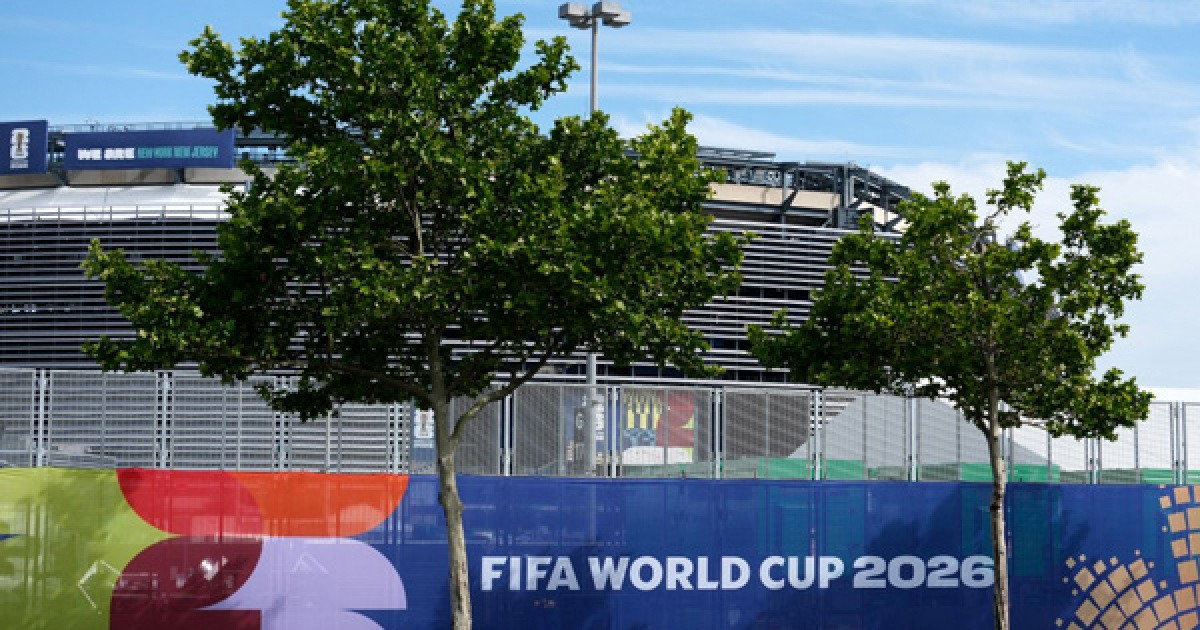
As the international sporting community prepares for the 2026 FIFA World Cup, growing concerns regarding ticket distribution processes have prompted official scrutiny from state authorities. In the United States, concerns voiced by fans regarding the transparency and accessibility of the 2026 FIFA World Cup ticket sales have led to active inquiries by legal officials in New York and New Jersey, according to recent reports. These investigations mark a significant escalation in the oversight of one of the world’s most anticipated sporting events.
For millions of football enthusiasts, the prospect of attending matches in North America is a once-in-a-lifetime opportunity. However, the complexity of modern digital ticketing systems—often managed through centralized platforms—has created friction between event organizers and the public. When consumers report difficulties with access, pricing transparency, or the secondary market, the role of state regulators becomes vital in ensuring consumer protection standards are upheld. The New York Office of the Attorney General and its counterpart in New Jersey are tasked with determining whether current practices align with regional fair trade and consumer protection statutes.
Understanding the Regulatory Scrutiny
At the heart of the current situation is the balance between FIFA’s operational control over tournament logistics and the legal requirements imposed by the jurisdictions hosting the games. FIFA, the global governing body for football, maintains rigorous standards for its official ticketing platform, which is designed to prevent fraud and manage the high demand for high-profile matches. Despite these efforts, the sheer scale of the 2026 tournament, which will be hosted across Canada, Mexico, and the United States, presents unprecedented logistical challenges.
State Attorneys General possess the authority to investigate potential violations of consumer protection laws, particularly in cases involving deceptive trade practices or barriers to fair competition. When fans express frustration over perceived inequities in the ticketing process, regulators look for evidence of whether the rules governing the sale of tickets are being applied consistently and if consumers are being adequately informed of their rights. As these investigations progress, the focus remains on whether the ticketing mechanisms provide a fair chance for the general public to secure seats without falling victim to predatory practices or technical failures.
The Impact on Fan Experience and Fair Play
The integrity of the 2026 FIFA World Cup is a matter of global interest. FIFA has long emphasized its commitment to fair play, not only on the pitch but in the administration of its tournaments. For the average fan, the ticketing process is the first point of contact with the event, and negative experiences at this stage can overshadow the excitement of the competition. The intervention by state officials reflects a broader trend toward increased oversight of major event ticketing, particularly in the wake of high-profile controversies in other entertainment sectors.
Transparency in ticket allocation—including the breakdown of seats reserved for corporate sponsors, national football associations, and the general public—is often a point of contention. While organizers typically reserve a significant portion of inventory for stakeholders, the remaining tickets must be distributed through a process that is perceived as legitimate. When that perception is challenged, the resulting public outcry often necessitates a formal response from government bodies to restore confidence in the event’s integrity.
Key Considerations for Ticket Holders
- Official Channels Only: Fans are consistently advised by FIFA and regulatory bodies to use only authorized platforms to avoid the risks associated with fraudulent tickets.
- Consumer Rights: Residents in states like New York and New Jersey have access to consumer protection resources that can provide guidance if they believe they have been subjected to unfair trade practices.
- Official Updates: Stakeholders and fans should monitor official communications from FIFA and relevant state offices for any changes to ticketing policies or consumer alerts.
Looking Ahead: The Path to 2026
As the countdown to the 2026 FIFA World Cup continues, the outcomes of these state-level investigations could set a precedent for how major international tournaments are managed in the United States. If regulators find that improvements are necessary, it could lead to mandated changes in how tickets are released, priced, or resold in future high-demand events. For now, the process remains in the investigative phase, with authorities gathering information to determine if any formal enforcement actions are warranted.
The sports industry will be watching these developments closely. Ensuring that the 2026 World Cup remains accessible and fair for fans is paramount for the long-term health of the sport in North America. We will continue to track official statements from the respective Attorneys General offices and any updates provided by the tournament organizers as more information becomes available. We encourage our readers to share their experiences and thoughts on this developing story in the comments section below.