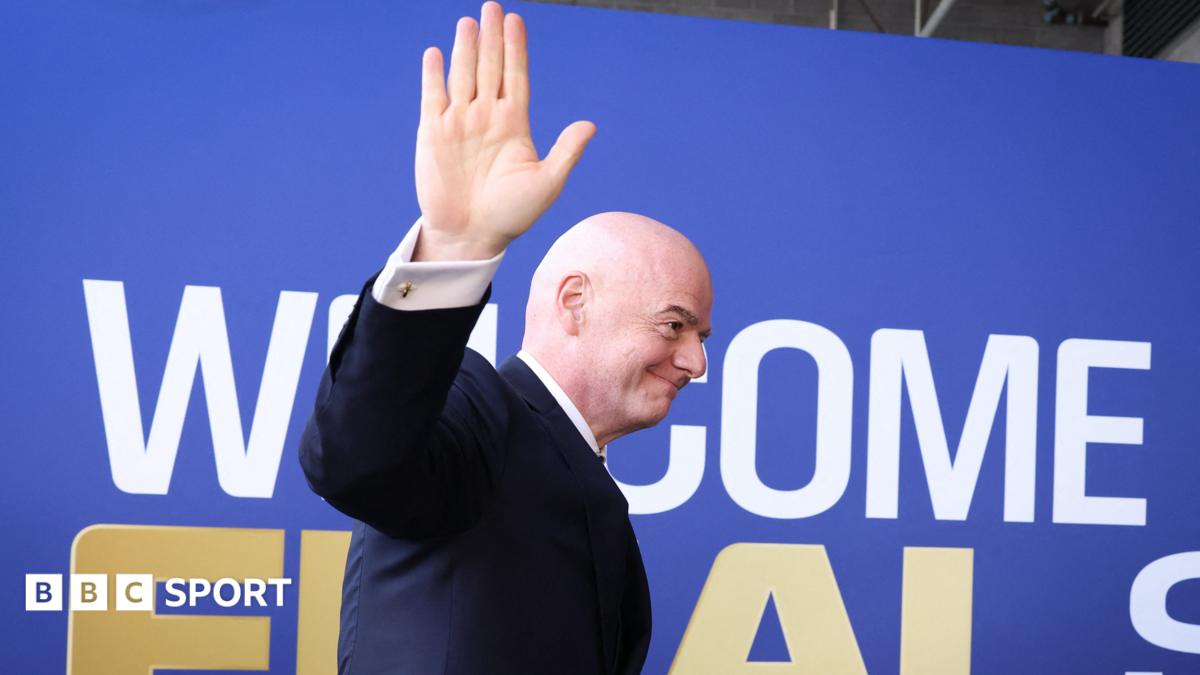
FIFA President Gianni Infantino faces intense global scrutiny following reported proposals to sell commercial stakes in the men’s and women’s World Cups, triggering fierce debate within international football governance. As pressure mounts on the head of world football’s governing body, member associations, executive committees, and football analysts are quietly examining potential successors should a leadership crisis force an early exit.
The controversy centers on financial structuring and revenue generation models for FIFA’s marquee tournaments. While Infantino has defended commercial expansion as vital for global game development, critics argue that privatizing tournament assets risks compromising the governing body’s non-profit mandate and independence. According to reports from major international sports networks, the friction has ignited internal boardroom divisions across Zurich and major confederations.
Infantino assumed the FIFA presidency in February 2016 following the departure of Sepp Blatter, winning re-election unopposed to a third term in March 2023 at the FIFA Congress in Kigali, Rwanda. His current mandate runs through 2027. Yet, the current commercial disputes have fueled persistent speculation regarding who might step into one of the most powerful roles in global sports administration if leadership changes occur prematurely.
Contenders for the FIFA Presidency
If political pressure or strategic disagreements force a leadership contest at FIFA, several prominent figures within continental confederations and national federations emerge as natural candidates. While none have formally launched leadership campaigns amid the ongoing governance disputes, administrative experience and regional backing position several key leaders for potential runs.

European football administration traditionally commands significant influence within FIFA’s voting blocks. UEFA officials, accustomed to managing the world’s most lucrative club and international competitions, frequently feature in succession discussions. Analysts point to established administrative figures within European and Asian football bodies who possess the diplomatic coalitions required to secure a majority among FIFA’s 211 member associations.
Furthermore, representatives from African and South American confederations have increasingly asserted their right to top global administrative posts, arguing that modern football governance requires leadership that genuinely reflects the global footprint of the sport. Past presidential elections demonstrated the critical importance of pan-continental alliances, meaning any viable successor must bridge regional divides across CONMEBOL, CAF, AFC, and Concacaf.
Governance Reform and FIFA’s Future Path
The debate over World Cup stakeholder involvement highlights deeper structural questions regarding how FIFA oversees commercial partnerships. Under current statutes, major commercial decisions require extensive review by the FIFA Council and ratification by the Congress. Critics of the current administration argue that centralization of financial strategy undermines transparent oversight.
Transparency advocates and independent governance watchdogs have repeatedly urged FIFA to publish comprehensive impact assessments regarding any privatization or major equity sales related to premier national team tournaments. According to governance experts cited by BBC Sport, the intersection of commercial rights and regulatory oversight remains the most sensitive pressure point for international sports federations.
Member associations hold ultimate authority over presidential tenure and institutional direction. Any formal motion to challenge leadership or alter financial statutes requires coordinated voting blocks during extraordinary or ordinary FIFA Congress meetings.
Next Institutional Checkpoints
The immediate focus turns to upcoming meetings of the FIFA Council, where executive members are expected to address commercial strategy, tournament preparations, and governance guidelines. Stakeholders will monitor upcoming official circulars and agenda announcements published via the FIFA official portal for concrete updates on tournament commercialization policies and upcoming electoral calendars.