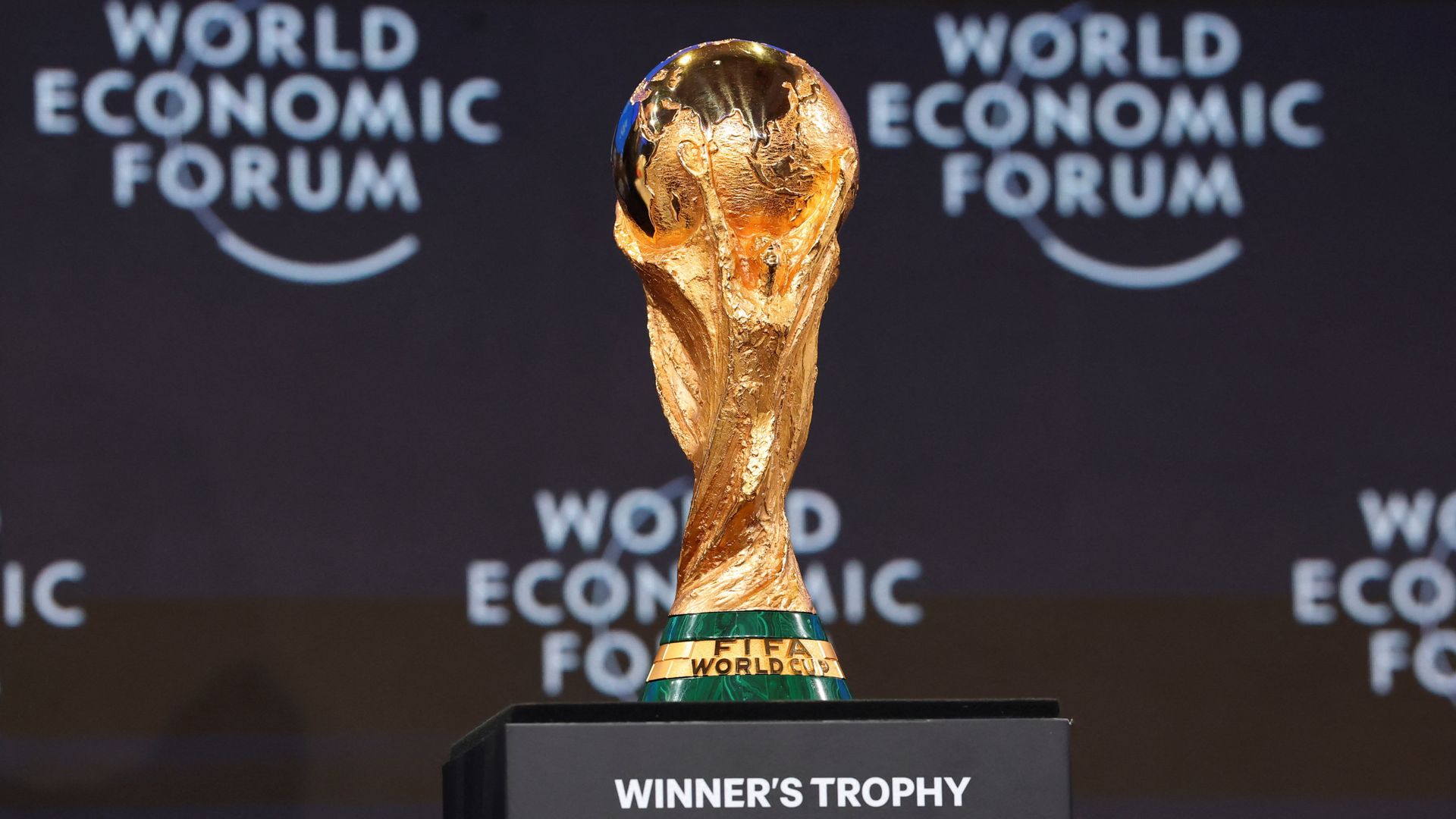
The financial barrier to entry for the world’s most prestigious sporting event has reached an unprecedented peak. FIFA has significantly increased the cost of its top-tier tickets for the 2026 World Cup final, with the most expensive seats now priced at $32,970—a figure that translates to more than £25,000 depending on current exchange rates.
This pricing strategy represents a tripling of the previous high for Category 1 seating, which had been set at $10,990. The move signals a stark shift in how the governing body views the commercial value of the tournament as it moves to North America, targeting a high-net-worth demographic in one of the world’s most lucrative entertainment markets.
As Chief Editor of Business at World Today Journal and an economist, I view this not merely as a ticket price hike, but as a calculated pivot toward a “premiumization” model. By aligning costs with the existing luxury sports ecosystem in the United States, FIFA is attempting to capture the full market value of the event, though it risks alienating the traditional global fanbase that defines the tournament’s cultural significance.
The Cost of the Final at MetLife Stadium
The World Cup final is scheduled for July 19, 2026, at MetLife Stadium in East Rutherford, New Jersey. For this marquee event, FIFA introduced a “Front Category 1” designation on its sales site, listing those specific seats at the record-breaking $32,970 price point. This is a dramatic escalation from the 2022 World Cup final, where the most expensive official ticket was approximately $1,600.
While the $32,970 price tag captures headlines, the broader ticketing structure remains tiered. However, even the “standard” high-end options have shifted. The previous high of $10,990 for Category 1 was still available during certain sales windows, but primarily restricted to Wheelchair and Effortless Access Amenity Category 1 seating, further pushing the general luxury buyer toward the new, higher ceiling.
The financial implications are clear: FIFA is leveraging the scarcity of the final’s inventory to maximize revenue. In economic terms, this is a classic application of price skimming, where a company sets a high price for a product with high demand and low supply to capture the maximum “consumer surplus” from those willing and able to pay a premium.
The ‘Market Rate’ Philosophy of Gianni Infantino
FIFA President Gianni Infantino has been transparent about the reasoning behind these costs. Speaking at the Milken Institute Global Conference in Beverly Hills, Infantino defended the pricing by pointing to the unique economic landscape of the host region. “We have to look at the market. We are in a market in which entertainment is the most developed in the world, so we have to apply market rates,” Infantino stated.
This “market rate” approach suggests that FIFA is benchmarking its prices against other elite American sporting events, such as the Super Bowl, where secondary market prices for luxury suites and front-row seats frequently exceed five figures. By treating the World Cup final as a high-end entertainment product rather than a purely sporting event, FIFA is essentially integrating the tournament into the “sports-as-luxury” asset class.
However, this philosophy has not been without critics. The decision to triple the price of top-tier tickets has drawn the attention of political figures. In New Jersey, representatives have penned a letter to Infantino expressing concerns over the accessibility of the event, arguing that such extreme pricing could exclude a significant portion of the local and international population from experiencing the final in their own backyard.
Analyzing the Broader 2026 Ticketing Landscape
The pricing surge is not limited to the final. High costs are permeating through the knockout stages and even the early group matches. For the semi-finals, the pricing remains aggressive:
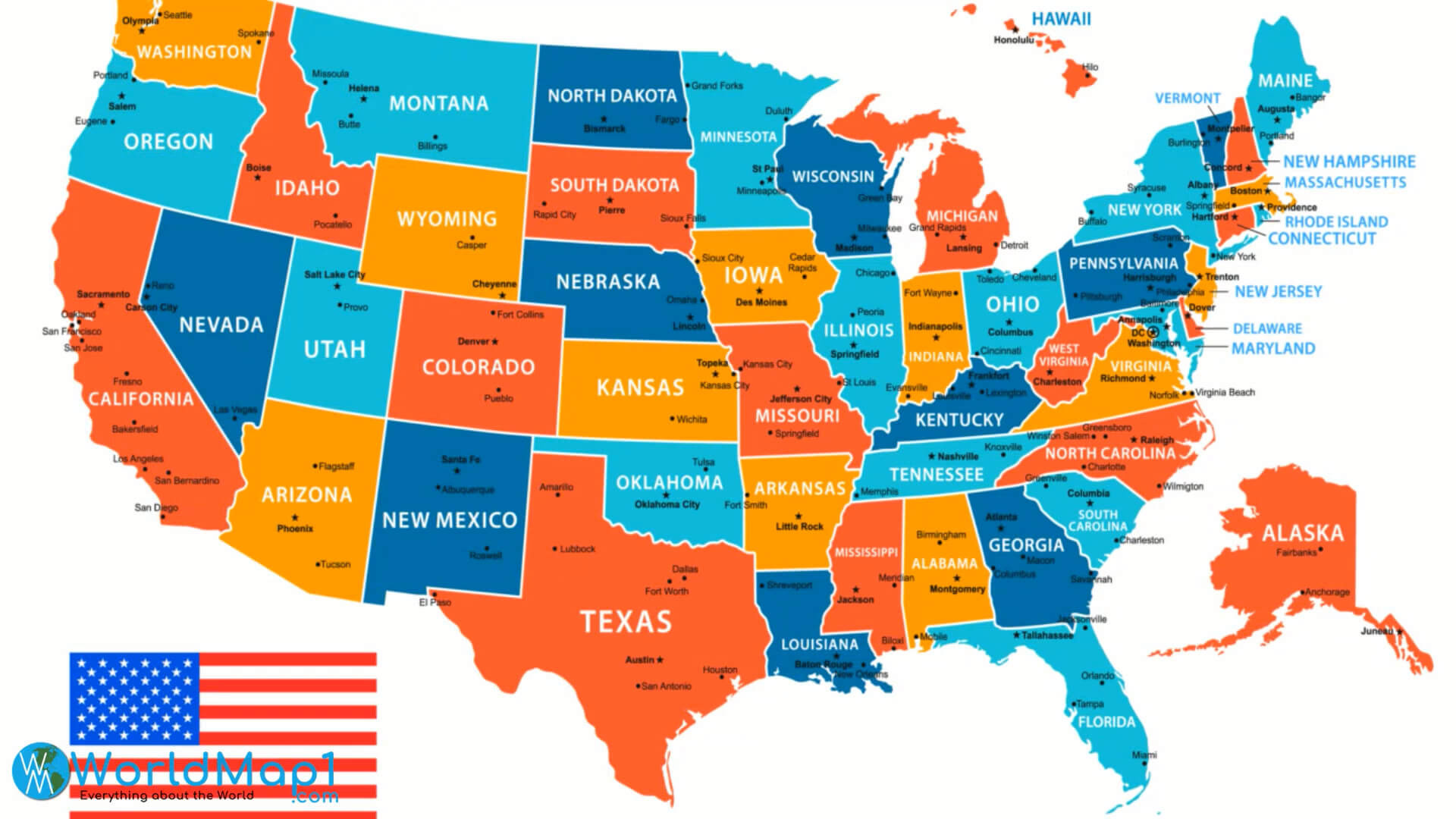
- July 14 Semi-final (AT&T Stadium, Arlington, Texas): Tickets have been listed at various price points, including $11,130, $4,330, $3,710, and $2,705.
- July 15 Semi-final (Mercedes-Benz Stadium, Atlanta): Top-tier seats were listed at $10,635, with other options at $3,545 and $2,725.
Even the group stages for the United States national team reflect this upward trend. For the U.S. Opener against Paraguay on June 12 at SoFi Stadium near Los Angeles, tickets were available for $2,735, $1,940, and $1,120. Subsequent matches, including the June 19 game against Australia in Seattle ($2,715) and the June 25 finale against Turkey in Los Angeles (ranging from $840 to $2,970), continue this trend of elevated pricing for high-demand fixtures.
From a business perspective, this suggests a comprehensive pricing strategy designed to monetize every stage of the tournament. By setting high official prices, FIFA also reduces the profit margin for third-party resellers, effectively bringing more of the “secondary market” profit back into the organization’s own coffers.
Economic Impact and the Risk of Alienation
The transition to a $32,970 ticket for the final represents more than just a revenue grab; it is a test of the “inelasticity” of demand for the World Cup. In economics, inelastic demand occurs when the price of a good increases, but the demand remains relatively constant because the product is seen as unique or essential. A World Cup final ticket is the ultimate “Veblen good”—a luxury item where the high price itself can actually increase the perceived prestige and desirability of the experience.
However, there is a tipping point. When the cost of attendance moves from “expensive” to “prohibitive,” the event risks losing its status as a “people’s game.” The discrepancy between the $1,600 top ticket of 2022 and the $32,970 ticket of 2026 is a 1,935% increase. While the “Front Category 1” buyer may be unaffected, the optics of such a steep climb can damage the brand’s global goodwill.
the reliance on the “U.S. Entertainment market” as a justification ignores the global nature of the tournament. Fans traveling from South America, Africa, or Asia face not only these record-breaking ticket prices but also the significant costs of flights and accommodation in high-cost U.S. Cities. This creates a tiered experience where the stadium atmosphere may shift from a diverse global celebration to a corporate-heavy environment.
Practical Guidance for Potential Attendees
For those still hoping to attend the 2026 tournament, it is essential to navigate the official channels to avoid the predatory pricing of the unregulated secondary market, where some resale tickets for the final have already been listed at astronomical figures, some reaching into the millions of dollars.
Fans should monitor the official FIFA ticketing portal for updates on remaining allocations and potential lottery draws for lower-category seats. It is also advisable to track the “Category” definitions closely, as the distinction between “Category 1” and “Front Category 1” now represents a price gap of over $20,000.
As the tournament approaches, the focus will likely shift toward how FIFA manages the remaining inventory and whether they will introduce any concessions in response to the political and public pressure regarding affordability.
The next major checkpoint for ticketing will be the release of the full match schedules and the opening of the next official sales window, where FIFA is expected to clarify the availability of more affordable seating tiers for the general public.
What are your thoughts on the “market rate” approach to sports ticketing? Does this pricing reflect the true value of the World Cup, or is it a step too far? Share your views in the comments below.