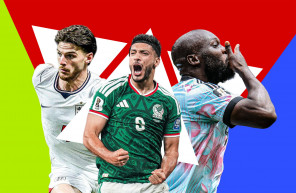
FIFA produces the official World Cup Magazine to provide comprehensive tournament coverage, player profiles, and match analysis for fans during the global event. The publication serves as the primary official record of the competition, distributing detailed reports and behind-the-scenes content to a global audience according to FIFA.
The magazine functions as a central hub for verified tournament data, integrating official statistics and sanctioned imagery that are not available through third-party news outlets. By controlling the narrative of the event, FIFA uses the publication to highlight the commercial and cultural impact of the World Cup while providing a curated guide to the participating nations.
Because the World Cup attracts billions of viewers, the magazine’s distribution strategy combines digital accessibility with high-quality print editions for VIPs and partners. This dual approach ensures that official match reports and player interviews reach both casual fans and corporate stakeholders in real-time.
How does the World Cup Magazine support tournament coverage?
The World Cup Magazine acts as the definitive source for official tournament documentation. According to FIFA’s media guidelines, the publication focuses on three primary pillars: tactical analysis of the matches, human-interest stories regarding the athletes, and logistical guides for the host cities.

Unlike daily sports journalism, which focuses on immediate results, the magazine provides long-form analysis. It archives the progression of the tournament, from the group stages to the final, ensuring that every goal and substitution is recorded in the official history of the competition. This record is essential for historians and statisticians who track the evolution of the game.
The publication also serves as a platform for the “Player of the Match” awards and other official accolades. By featuring these athletes in the magazine, FIFA creates a permanent record of individual achievement that aligns with the official tournament brackets and scoring sheets.
What content can readers expect from official FIFA publications?
Readers typically find a mix of data-driven reporting and narrative storytelling. The magazine includes detailed team rosters, injury reports, and official standings. These figures are sourced directly from the match officials and the FIFA Technical Study Group, which analyzes every game to identify trends in player performance and team strategy.

Beyond the numbers, the publication focuses on the cultural significance of the event. This includes features on the host nation’s infrastructure, the impact of the tournament on local economies, and the stories of qualifying nations that may be making their first appearance on the world stage.
Official photography is another cornerstone of the magazine. FIFA maintains exclusive rights to the most high-resolution imagery of the tournament, allowing the magazine to showcase action shots and candid moments that are often restricted in other media formats due to licensing agreements.
Why is official tournament media critical for global fans?
For a global audience, official media like the World Cup Magazine removes the ambiguity often found in fragmented social media reporting. When FIFA publishes a match report or a disciplinary ruling in its official magazine, it becomes the benchmark for accuracy that other news agencies use for verification.
The magazine also plays a role in the commercialization of the sport. It highlights official sponsors and partners, integrating brand stories with the sporting action. This synergy helps fund the massive operational costs of the tournament, which include stadium security, transportation, and prize money for the participating federations.
Furthermore, the publication provides a sense of continuity. By maintaining a consistent style and format across different World Cups, FIFA allows fans to compare the 2022 edition in Qatar with previous tournaments in Russia or Brazil, tracking the growth of the game’s popularity and the shift in tactical dominance from one region to another.
What happens next for World Cup media?
As the football world looks toward the 2026 FIFA World Cup, which will be hosted by Canada, Mexico, and the United States, the magazine is expected to expand its digital integration. This will likely include more interactive elements, such as real-time data overlays and augmented reality experiences, to cater to a younger, tech-savvy demographic.

The 2026 tournament will feature an expanded format with 48 teams, meaning the World Cup Magazine will need to cover more matches and a wider variety of nations than ever before. This expansion will require a significant increase in the volume of reporting and a broader focus on emerging football markets in Asia and Africa.
Official updates regarding the 2026 tournament’s media plan and publication schedules will be released through the FIFA World Cup official portal as the event approaches.
Do you have a favorite World Cup memory or a specific team you are tracking for 2026? Share your thoughts in the comments below.