
In the bustling corridors of China’s urban centers, a quiet but persistent cultural shift is unfolding. For decades, cigarette smoking has been more than a habit in China; it has been a deeply ingrained social currency, a tool for networking, and a marker of masculine identity. However, a growing number of women are now challenging these long-standing norms, navigating the complex intersection of public health, gender expectations, and personal autonomy.
The divide in smoking prevalence between genders in China is one of the most pronounced in the world. While tobacco use is widespread among men, women have historically faced significant social barriers—and severe stigmas—should they choose to smoke. This gendered disparity is not merely a matter of preference but is rooted in a sociocultural framework where cigarettes serve as a “social lubricant” for men to build guanxi, or strategic social networks, while remaining largely taboo for women.
As China continues to modernize, the pressures of urban life and shifting social roles are beginning to erode these traditional boundaries. From professional women managing high-stress careers to younger generations questioning ancestral norms, the act of smoking—and the fight against the stigma surrounding it—has become a focal point for discussions on gender equality and health in the East.
The Gendered Divide of Tobacco in China
To understand the current struggle to change smoking culture, one must first recognize the role tobacco plays in Chinese masculinity. In many professional and social settings, offering a cigarette is a standard gesture of friendship, respect, or business negotiation. This ritual reinforces a patriarchal structure where the act of smoking is linked to power and social integration.
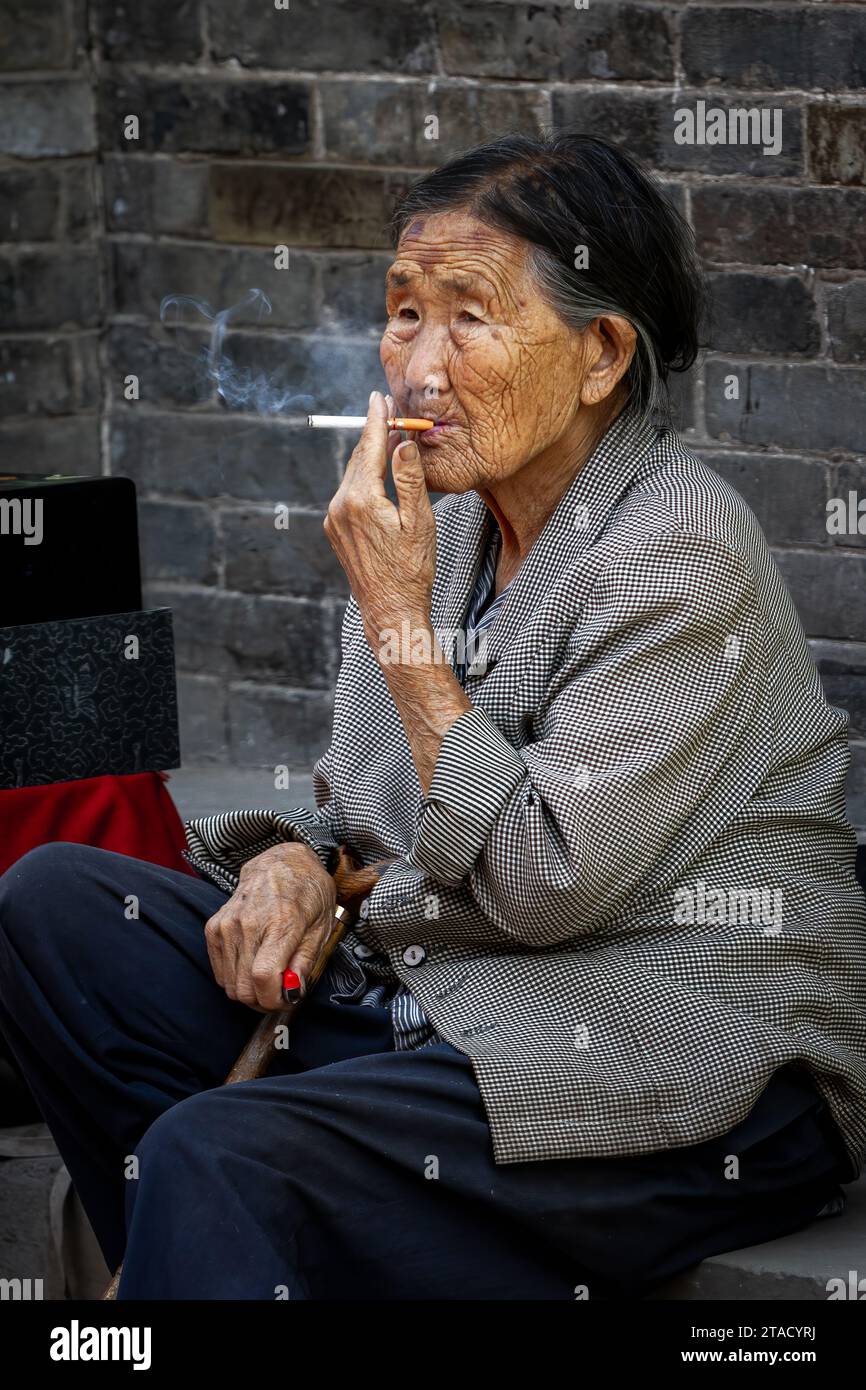
For women, the experience is starkly different. While men are often encouraged to smoke to fit in, women who smoke frequently encounter a “double standard” of morality. In many traditional circles, female smoking is viewed as a deviation from the idealized image of femininity and modesty. This stigma often forces women to hide their habit, smoking in private or in secluded areas to avoid judgment from peers, family, and employers.
Despite these pressures, the prevalence of smoking among women in urban areas is evolving. According to research published in BMJ Open, qualitative data suggests that motivations for smoking among urban Chinese women are often tied to coping mechanisms for stress and a desire to navigate shifting social norms in a rapidly changing economy.
The Weight of Social Stigma
The psychological toll of smoking-related stigma in China is significant. Women often report feeling a sense of shame or “moral failure” when their smoking is discovered. This social policing serves as a powerful deterrent, helping to keep female smoking rates lower than those of men, but it also creates a hidden population of smokers who lack access to cessation support due to the fear of disclosure.
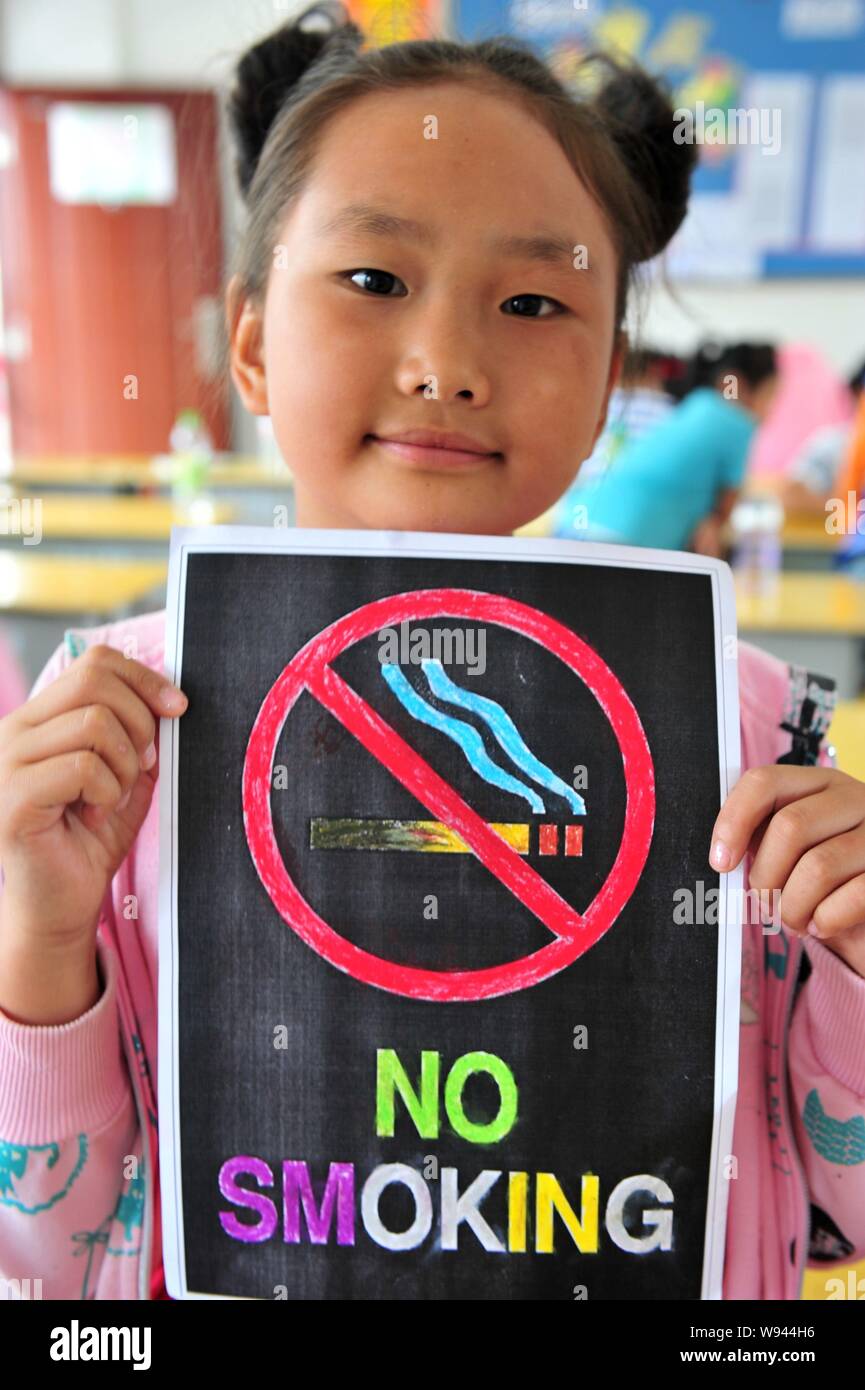
This stigma is not just social; it is often institutional. In some workplace environments, a woman who smokes may be perceived as less professional or less reliable than her non-smoking counterparts, whereas a man smoking in the same environment is seen as engaging in standard business behavior. This disparity highlights how tobacco use is inextricably linked to the broader struggle for gender parity in Chinese society.
However, the narrative is changing. Some women are choosing to be open about their habits not to promote smoking, but to challenge the hypocrisy of a culture that penalizes women for the same behavior it rewards in men. By reclaiming the narrative, these women are pushing for a society where health choices are decoupled from moral judgments about gender.
Urban Shifts and Evolving Motivations
The rise of female smoking in urban China is closely linked to the pressures of the modern workforce. In cities like Beijing, Shanghai, and Shenzhen, women are increasingly occupying high-pressure roles in finance, technology, and government. The stress associated with these positions, combined with the adoption of more globalized lifestyles, has contributed to a rise in tobacco use as a means of stress relief.
the emergence of “third spaces”—such as modern cafes and social clubs—has provided new environments where traditional gender norms are less strictly enforced. In these spaces, smoking is sometimes viewed as a sign of independence or a rebellion against restrictive traditionalism.
Public health experts, however, view this trend with concern. The World Health Organization Tobacco Free Initiative emphasizes that preventing the rise of smoking among women is critical for overall public health. The goal for advocates is to ensure that the quest for gender equality does not inadvertently lead to an increase in tobacco-related illnesses among women.
Key Takeaways: Smoking and Gender in China
- Cultural Currency: For men, smoking is often a tool for guanxi (social networking) and a marker of status.
- The Double Standard: Women face significant social stigma and moral judgment for smoking, which is often viewed as “unfeminine.”
- Urban Stress: High-pressure urban environments are contributing to a shift in smoking motivations among professional women.
- Public Health Risk: While social norms are shifting, health organizations aim to prevent a rise in female smoking prevalence to avoid a future health crisis.
The Path Toward Tobacco Control
Changing a culture as ingrained as China’s smoking habit requires more than just health warnings; it requires a shift in the social fabric. Advocates for tobacco control are increasingly focusing on “gender-sensitive” interventions. This means creating cessation programs that acknowledge the specific stigmas women face and providing support that does not further marginalize them.

There is also a growing movement to decouple social networking from tobacco. As health consciousness rises among the urban middle class, more people are seeking alternative ways to build professional relationships that do not involve cigarettes. This shift is essential for breaking the cycle where smoking is seen as a prerequisite for social or professional success.
The women challenging Chinese smoking culture are fighting a two-front war: they are battling the addictive nature of nicotine and the suffocating weight of traditional expectations. Their struggle reflects a larger transition in Chinese society—a move toward individual agency and a rejection of rigid gender roles.
As the government continues to implement tobacco control measures, the success of these initiatives will likely depend on their ability to address the cultural nuances of gender. By dismantling the idea that smoking is a masculine privilege or a feminine vice, China can move toward a healthier future for all its citizens.
The next major milestone in this cultural shift will be the continued implementation of updated national tobacco control guidelines, which aim to further restrict smoking in public spaces and reduce the influence of tobacco marketing. These policy changes will be critical in determining whether the trend toward female smoking is curtailed or if it becomes a permanent fixture of the urban landscape.
Do you believe social norms should be the primary driver of public health, or should individual autonomy take precedence? Share your thoughts in the comments below.
Worth a look