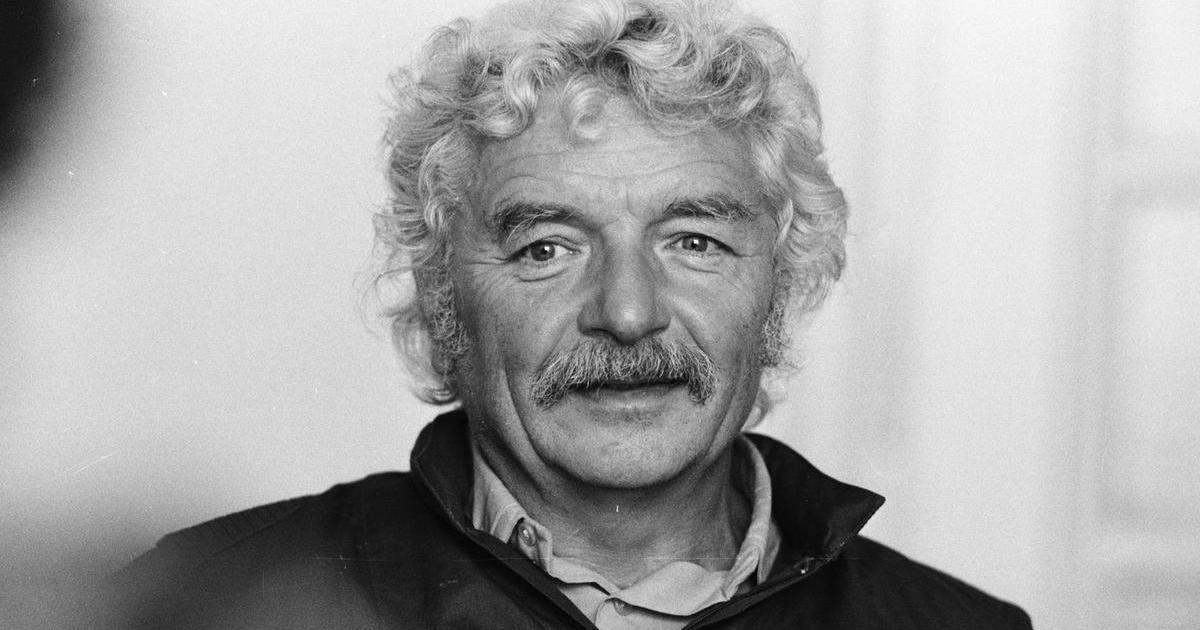
In a landmark decision for intellectual property rights in the Czech Republic, the Supreme Court has ruled in favor of Filip Smoljak in a high-stakes Filip Smoljak copyright dispute involving the legendary plays of his father, Ladislav Smoljak. The ruling clarifies the legal responsibilities of theatrical organizers and ensures that the heirs of creators are compensated for the unauthorized use of their intellectual property.
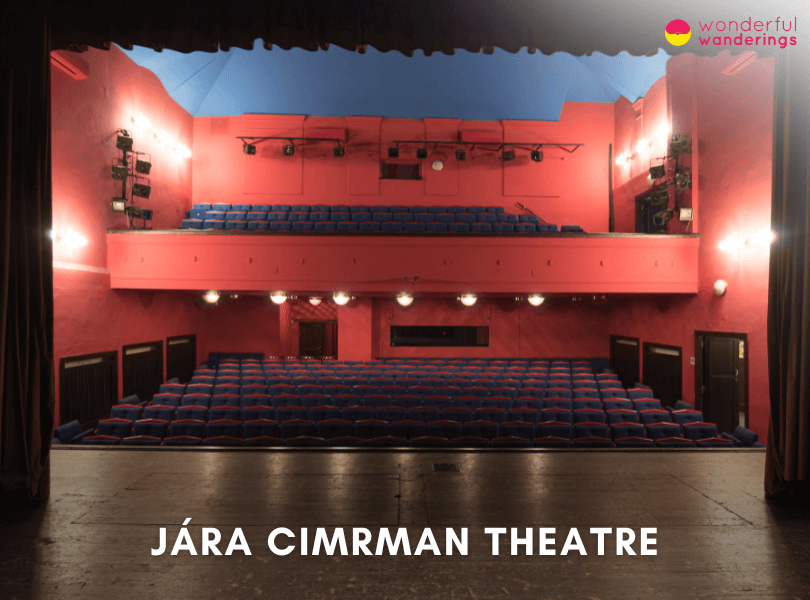
The legal battle centered on the Žižkovské divadlo Járy Cimrmana, which had been performing plays co-authored by Ladislav Smoljak and Zdeněk Svěrák without a valid license agreement. The Supreme Court’s decision effectively shuts down a common legal loophole used by venues to avoid paying royalties by claiming they are merely providing space rather than producing the work.
For the arts community, this ruling is more than a financial victory for the Smoljak family; This proves a definitive interpretation of who bears the legal and financial burden of copyright compliance in live performances. By focusing on the practical realities of production rather than formal labels, the court has set a precedent that protects authors and their successors from systemic underpayment.
The Supreme Court’s Ruling on Performance Rights
The core of the dispute involved the unauthorized staging of plays during 2019 and 2020. Filip Smoljak, the heir to the copyright of his father, Ladislav Smoljak, argued that the theater had failed to secure the necessary licensing for the works he and Zdeněk Svěrák created. The Supreme Court of the Czech Republic ultimately sided with Smoljak, upholding previous lower court decisions.
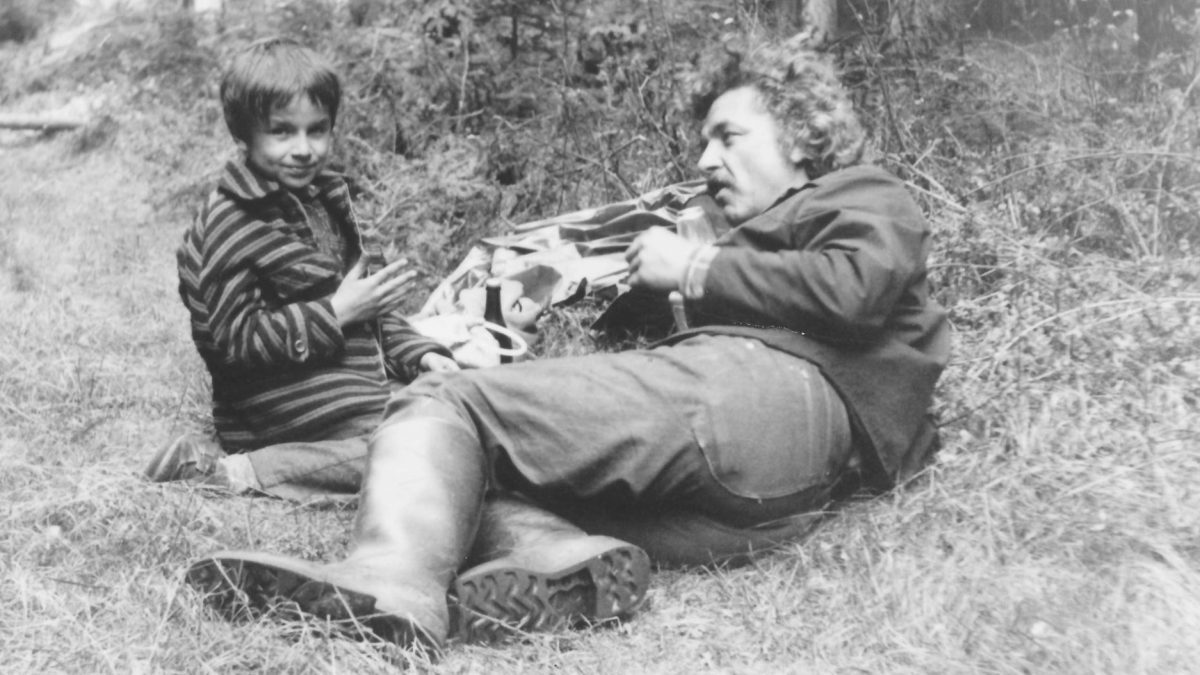
The court awarded Filip Smoljak approximately 130,000 CZK plus interest for the unauthorized use of the plays during the specified period. This financial penalty serves as a corrective measure for the breach of copyright law, emphasizing that the right to authorize a public performance remains strictly with the copyright holders or their designated heirs.
Dismantling the “Hall Rental” Defense
One of the most significant aspects of this case was the defense mounted by the Žižkovské divadlo Járy Cimrmana. The theater argued that it was operating as a “stagion”—a venue that simply rents its halls to external troupes and production agencies (specifically citing the agency Echo) rather than organizing the productions itself. Under this logic, the theater claimed it was not the “operator” of the play and therefore not responsible for securing the license.
The Supreme Court explicitly rejected this argument. The court ruled that the formal designation of a subject is irrelevant. Instead, the court looks at who factically organizes the event. According to the ruling, the entity that organizes the performance, sells the tickets, and bears the economic risk is the legal operator under the copyright act.
The court further detailed that “organizational provision” typically includes the hiring of artists, securing the venue, promoting the show, and managing ticket distribution. Because the theater engaged in these activities, it could not hide behind the claim of being a mere landlord.
Legal Precedent and Section 19 of the Copyright Act
The ruling provides a critical interpretation of Section 19, paragraph 1 of the Czech copyright act (§ 19 odst. 1 autorského zákona). The court clarified that the “user of a work through its live operation” is the person or entity that organizes the public accessibility of the live performance in their own name and on their own responsibility.
This interpretation is vital for the Czech cultural landscape, as it prevents production companies and venues from shifting liability onto one another to avoid paying authors. By establishing that economic risk and organizational control define the “operator,” the court has created a clear framework for future copyright disputes in the performing arts.
The Legacy of Ladislav Smoljak and Zdeněk Svěrák
The plays at the center of this dispute are part of the cultural phenomenon of Jára Cimrman, a fictional polymath whose “discoveries” and “works” have become a staple of Czech humor and identity. The creative partnership between Ladislav Smoljak and Zdeněk Svěrák built this legacy, making the protection of these works a matter of significant cultural and legal interest.
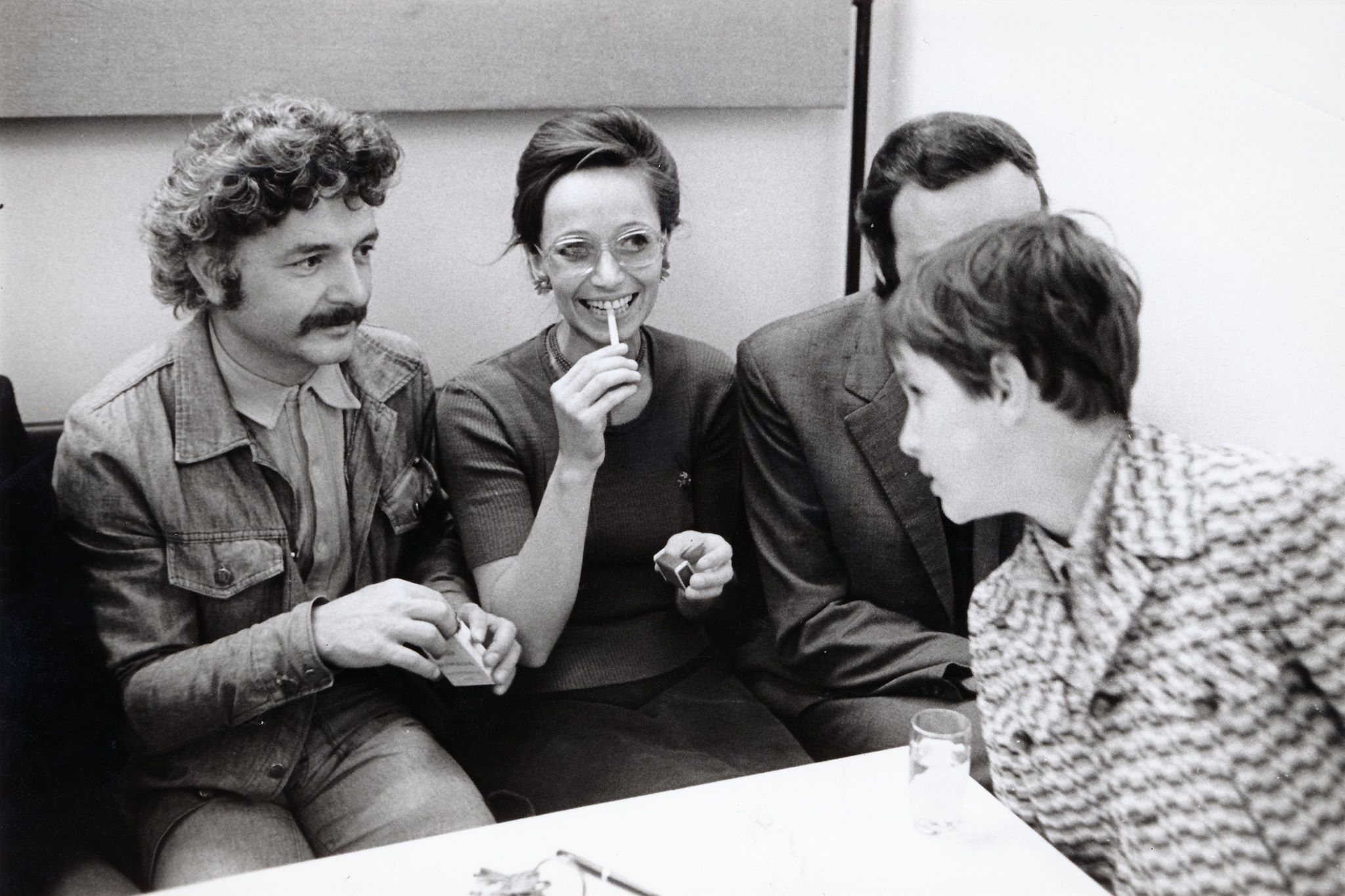
The victory for Filip Smoljak ensures that the intellectual property of his father is respected and that the financial benefits of these enduring works are directed toward the rightful heirs. It reinforces the principle that creative legacy is not just a matter of prestige, but a legally protected asset.
Key Takeaways from the Ruling
- Operator Definition: The court ruled that the entity selling tickets and bearing economic risk is the legal operator, regardless of whether they claim to only “rent the hall.”
- Financial Redress: Filip Smoljak was awarded roughly 130,000 CZK plus interest for unauthorized use in 2019 and 2020.
- Copyright Law: The ruling strictly applies Section 19, paragraph 1 of the copyright act to live theatrical productions.
- Precedent: The decision prevents venues from using “stagion” status to evade license payments to authors and heirs.
With the Supreme Court rejecting the theater’s appeal, this ruling stands as the final legal word on the matter. It serves as a warning to cultural institutions across the region to ensure all license agreements are transparent and fully executed before curtains rise.
We invite our readers to share their thoughts on the balance between venue management and author rights in the comments below. Please share this article to keep the creative community informed on current copyright precedents.
Related reading