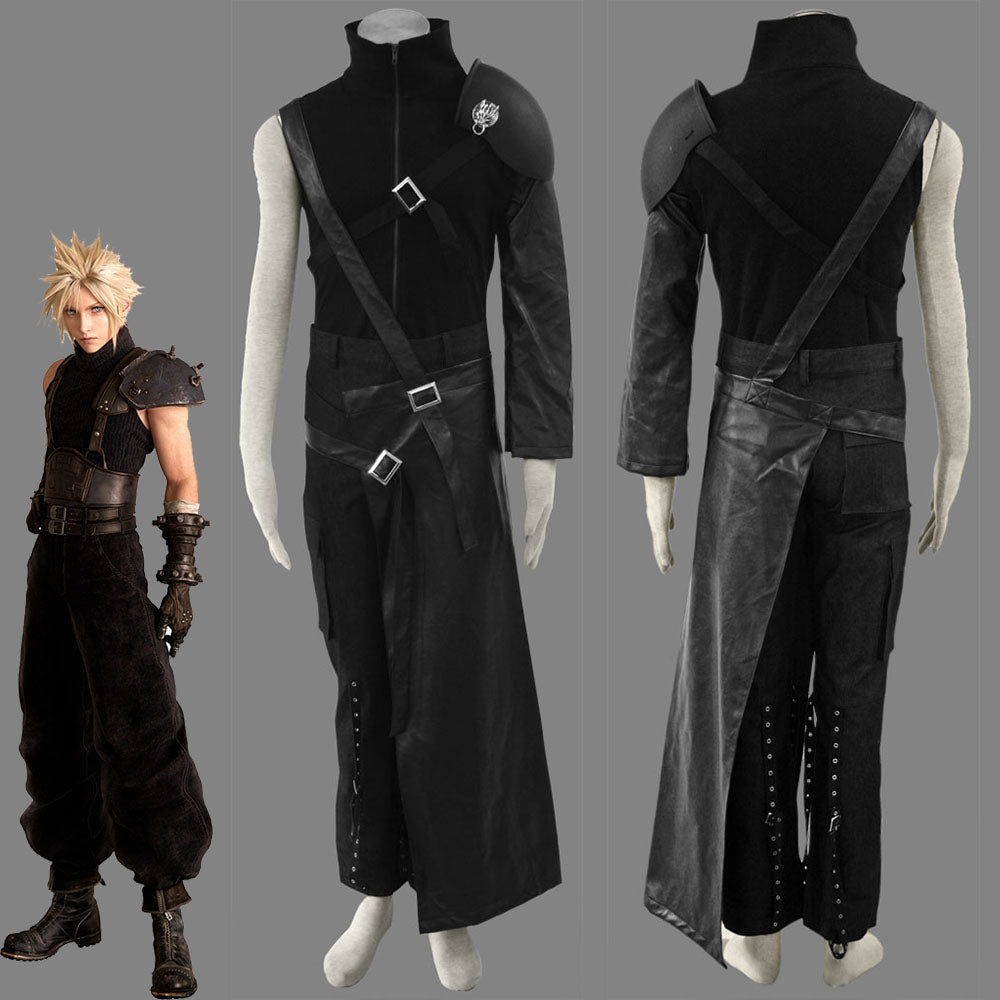
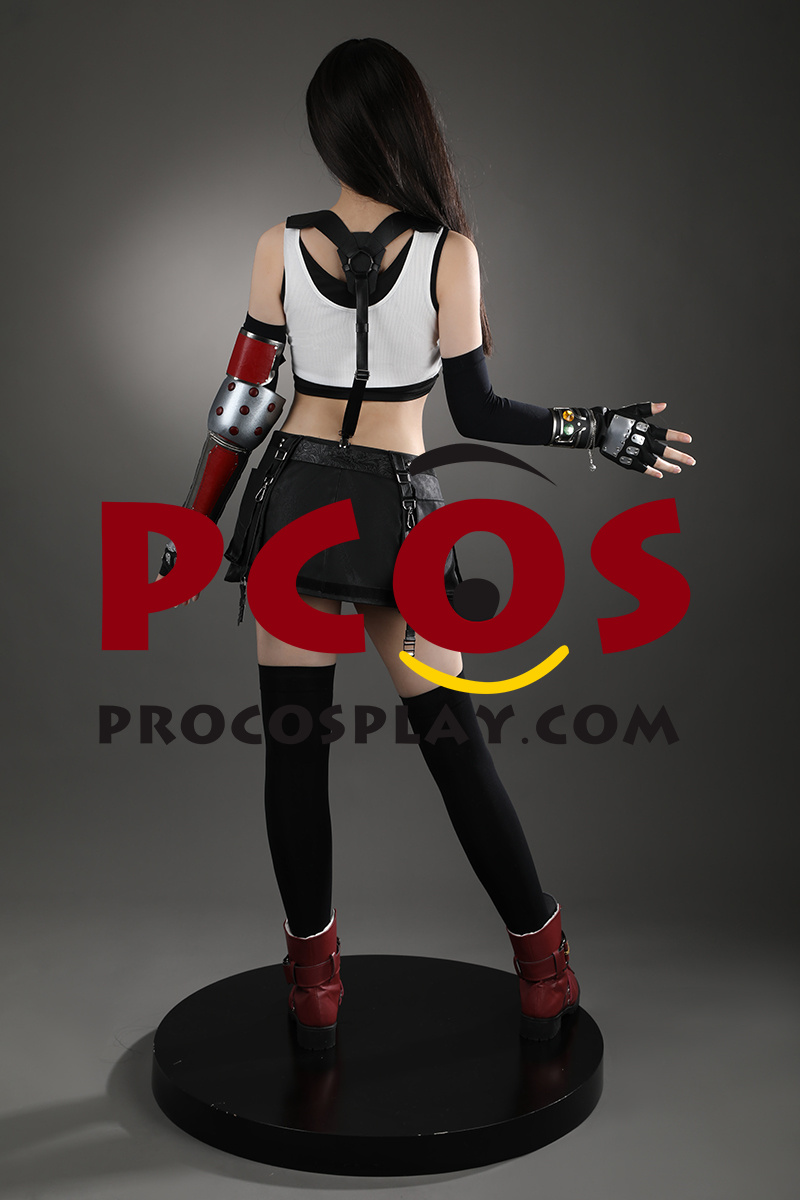
The enduring popularity of Final Fantasy VII has fostered a vibrant international community of artists and creators, with high-quality cosplay remaining a primary way fans engage with the franchise’s iconic character designs. As the series continues to evolve through the Final Fantasy VII Remake project, performers are increasingly utilizing advanced crafting techniques to replicate the aesthetic of protagonists like Tifa Lockhart and Cloud Strife with high levels of detail. These interpretations frequently appear on social media and at global gaming conventions, reflecting the intersection of digital character design and practical costume artistry.
According to Square Enix, the original 1997 title established a visual benchmark that has defined the franchise’s identity for over two decades. The recent release of Final Fantasy VII Rebirth, the second entry in the current remake trilogy, launched on February 29, 2024, providing creators with updated reference materials for costumes and weaponry. The technical fidelity of these new character models often drives interest in community-led costume projects, as fans look to match the updated textures and silhouettes found in the modern games.
The Evolution of Character Design in Final Fantasy
The character designs in Final Fantasy VII were originally conceptualized by Tetsuya Nomura, whose work on the title is widely credited with establishing the “cool” aesthetic that became synonymous with the PlayStation era of role-playing games. As noted by the Metacritic aggregate for the latest remake entry, the visual overhaul has been a focal point for both critics and the player base. This shift from low-polygon models to high-definition, physics-based rendering has forced cosplayers to adapt their methods, moving toward materials like EVA foam, 3D printing, and high-grade synthetic fabrics to achieve the desired look.

The cultural impact of these characters extends beyond the games themselves. Characters like Tifa Lockhart are frequently cited in media studies as archetypes of action-heroine design within the medium. Because these designs are so recognizable, professional cosplayers often face high expectations regarding accuracy. Achieving a “close to the original” look requires a deep understanding of the character’s source material, which includes careful study of promotional art, in-game cutscenes, and official concept sketches released by the developer.
Community Engagement and Digital Expression
Gaming forums and social media platforms function as the primary hubs for the exchange of techniques between cosplayers. Many creators document their process, from the initial patterning of a costume to the final weathering of props, which serves as a form of peer-to-peer education. This collaborative environment has elevated the quality of fan-made content globally. By sharing these processes, the community maintains a standard of craftsmanship that honors the original designs while allowing for individual artistic interpretation.
For those interested in the official development of these characters, Square Enix maintains an active presence on their official YouTube channel, where they frequently release behind-the-scenes content and developer interviews. These videos provide the definitive source for color palettes, material textures, and character lore, which are essential for any creator aiming to produce an authentic tribute to the series.
Technical Craftsmanship and Material Selection
Modern cosplay has moved toward a reliance on durable, lightweight materials that allow for mobility during long convention days. The use of 3D printing has become particularly prevalent for replicating the complex weaponry associated with the game, such as Cloud Strife’s Buster Sword. According to reports from major events like San Diego Comic-Con, the integration of electronics—such as LEDs for glowing materia or internal fans for temperature control—has become a standard feature in high-end builds.
This technical shift represents a significant investment of time and resources. Creators often spend months sourcing specific fabric weaves or metallic paints to ensure their work stands up to close inspection. This commitment to detail is what distinguishes casual costume play from the highly detailed, “original-accurate” work that frequently gains traction in gaming news cycles. The community consensus is that the best results come from a blend of traditional sewing skills and modern industrial fabrication techniques.
Future Developments in the Franchise
The Final Fantasy VII project is slated to conclude with a third installment, which remains in active development by Square Enix. Fans and creators alike are currently awaiting further announcements regarding the title and release window for the final chapter of the trilogy. Official updates are typically disseminated through the developer’s corporate website and press releases, which serve as the primary source for accurate scheduling information.
As the franchise moves toward its conclusion, the community is expected to maintain its focus on high-fidelity recreations of the expanded cast. Readers who wish to stay informed about the latest character reveals or official merchandise releases should monitor the Square Enix Press Center for the most reliable updates. We invite our readers to share their thoughts on the evolution of character design in the comments section below, as we continue to track the cultural impact of this iconic series.
Worth a look