
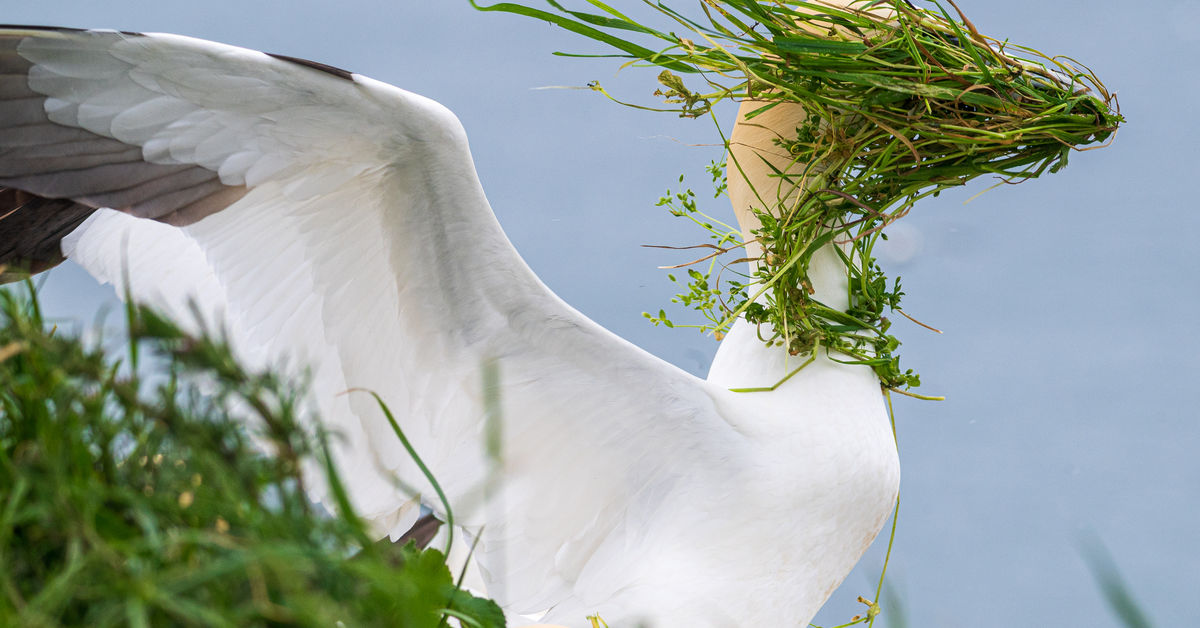
In the competitive landscape of global visual arts, few events manage to blend high-stakes technical skill with the sheer, unadulterated joy of a well-timed punchline. The Comedy Wildlife Photography Awards has evolved from a niche curiosity into a significant cultural phenomenon, transforming the way the public engages with nature conservation. By leveraging humor, the competition strips away the often-stuffy veneer of traditional wildlife documentation, replacing it with a relatable, human-centric lens that drives massive digital engagement and, crucially, awareness for endangered species.
For the business of photography, these awards represent more than just a trophy; they are a launchpad for global visibility. A single viral image can transition a nature photographer from a regional specialist to an international brand, opening doors to publishing deals, gallery exhibitions, and corporate partnerships. This intersection of art, entertainment, and environmental advocacy creates a unique economic ecosystem where “the funny shot” becomes a powerful tool for fundraising and conservation education.
Recent cycles of the competition have highlighted a surge in talent from Northern Europe, with Finnish photographers making a distinct mark on the global stage. The ability to capture the raw, often absurd reality of animal behavior requires a combination of immense patience and an intuitive sense of timing—traits that have allowed artists like Valtteri Mulkahainen and Erkka Badermann to stand out in a field of thousands of international entries.
From the depths of the Finnish forests to the shores of its lakes, these photographers are demonstrating that nature’s most compelling stories aren’t always the dramatic hunts or the sweeping landscapes, but the quiet, clumsy, and unexpectedly human moments that occur when animals think no one is watching.
The Art of the ‘Accidental’ Expression: Valtteri Mulkahainen’s Viral Success
One of the most captivating entries in recent awards history comes from Sotka-based photographer Valtteri Mulkahainen, whose work captures the whimsical side of the brown bear. His acclaimed image, titled “Smile, you’re being photographed,” features a young bear appearing to beam directly into the camera lens. While the image is framed as a moment of playful cooperation, it underscores a broader conversation about anthropomorphism in wildlife photography—the tendency to attribute human emotions and expressions to animals.
Mulkahainen’s approach to his craft is rooted in a belief that animals communicate through gestures and expressions that mirror human interaction. The “smile” captured in the image, which some might interpret as a grimace or a simple open-mouthed curiosity, serves as a bridge between the viewer and the wild. This emotional connection is precisely what makes the image commercially and socially viable; it transforms a formidable predator into a relatable character, fostering a sense of empathy that is essential for conservation efforts.
Beyond the awards, Mulkahainen has successfully scaled his creative output into the entrepreneurial space. He has collaborated with Dutch artist Joanna Hart to produce children’s books, translating his photography into educational narratives. This move represents a sophisticated understanding of intellectual property monetization, moving beyond the single-image sale to create a sustainable brand centered on nature and curiosity.
Technical Precision Meets Natural Absurdity: The Case of the Black Tern
While Mulkahainen captures the emotional resonance of mammals, Erkka Badermann, a photographer specializing in avian subjects, finds humor in the mechanical failures of flight. His work, specifically the image “Landing Gears Down,” captures a black tern in the midst of a characteristically clumsy descent. The black tern is known among birdwatchers for its somewhat unstable landing sequence, often extending its legs backward to find balance before sliding onto the water’s surface.

Badermann’s ability to freeze this specific moment of instability requires a mastery of shutter speed and an intimate knowledge of the species’ behavior. In the world of professional photography, this is known as “the decisive moment”—the split second where the action and the composition align perfectly to convey a narrative. By framing the bird’s struggle as a failure of “landing gear,” Badermann adds a layer of wit that resonates with a global audience, turning a biological quirk into a comedic event.
The success of these Finnish entries highlights a specific regional strength in wildlife photography: a deep, patient observation of the environment. In a fast-paced digital economy, the slow-burn process of waiting for a bird to miscalculate its landing or a bear to look into a lens is a testament to the enduring value of traditional fieldcraft.
The Economics of Virality in Nature Conservation
From a business perspective, the Comedy Wildlife Photography Awards function as a high-efficiency marketing engine for environmentalism. Traditional conservation campaigns often rely on “doom-and-gloom” narratives—images of melting ice caps or starving animals—which can lead to “compassion fatigue” among the general public. Humor, however, acts as a psychological “hook,” drawing viewers in through laughter before delivering a critical message about habitat loss or species protection.
The financial implications of this strategy are significant. Viral images generate millions of impressions across social media platforms, driving traffic to conservation websites and increasing the visibility of partner organizations. For the photographers, this visibility translates into a higher market value for their portfolios. When an image is recognized by a prestigious body like the Comedy Wildlife Photography Awards, it ceases to be just a photo and becomes a “certified” piece of cultural content, increasing its licensing value for magazines, textbooks, and advertising campaigns.
the competition encourages a diverse range of photographers to enter the field. By rewarding humor rather than just technical perfection or rare sightings, the awards democratize wildlife photography, encouraging amateurs and professionals alike to look for the joy in nature. This expands the pool of documented wildlife behavior, providing a broader, albeit more lighthearted, archive of animal interactions.
Key Takeaways: The Impact of Humorous Wildlife Imagery
- Psychological Engagement: Humor reduces the barrier to entry for conservation awareness, combating compassion fatigue.
- Brand Building: Photographers like Valtteri Mulkahainen leverage award recognition to expand into publishing and educational media.
- Technical Mastery: “Funny” photos often require higher levels of timing and behavioral knowledge than standard wildlife shots.
- Global Reach: The awards utilize digital virality to bring regional talent, such as Finnish photographers, to an international audience.
The Future of the Awards and the Evolution of the Genre
As the Comedy Wildlife Photography Awards continue to grow, the competition is likely to notice an increase in the use of advanced technology, such as AI-enhanced autofocus and high-resolution mirrorless systems, which allow photographers to capture these fleeting moments with unprecedented clarity. However, the core value of the competition remains the human element—the photographer’s ability to recognize a joke in the wild.

The trend toward “character-driven” nature photography is likewise expected to rise. We are moving away from the “National Geographic” style of distant observation and toward a more intimate, personality-driven portrayal of animals. This shift reflects a broader societal desire to see animals not as specimens, but as individuals with their own quirks and failures.
For aspiring photographers and entrepreneurs in the creative arts, the lesson of the Comedy Wildlife Photography Awards is clear: there is immense value in the unexpected. The ability to find the humor in a situation—and the patience to wait for it to happen—is a skill that pays dividends in both artistic prestige and commercial success.
The next major checkpoint for the global wildlife photography community will be the announcement of the next cycle’s finalists and the subsequent gala, where a new set of “nature’s comedians” will be crowned. These events continue to prove that while the planet faces serious ecological challenges, laughter remains one of our most effective tools for building a connection to the natural world.
Do you think humor is an effective tool for conservation, or does it risk trivializing the seriousness of the climate crisis? Share your thoughts in the comments below and share this article with your fellow nature lovers.