Authorities across several Swiss cantons have implemented strict fire bans in response to elevated wildfire risks, as the country experiences a period of intense heat and volatile weather patterns. The cantons of Glarus and Uri have enacted immediate prohibitions on outdoor fires, while St. Gallen and the city of Zurich are set to follow suit with similar mandates beginning tomorrow. These measures, coordinated by local environmental and civil protection agencies, are designed to mitigate the threat of brush and forest fires during periods of high temperatures and dry conditions, according to the official Federal Office for the Environment (FOEN), which monitors national wildfire danger levels.
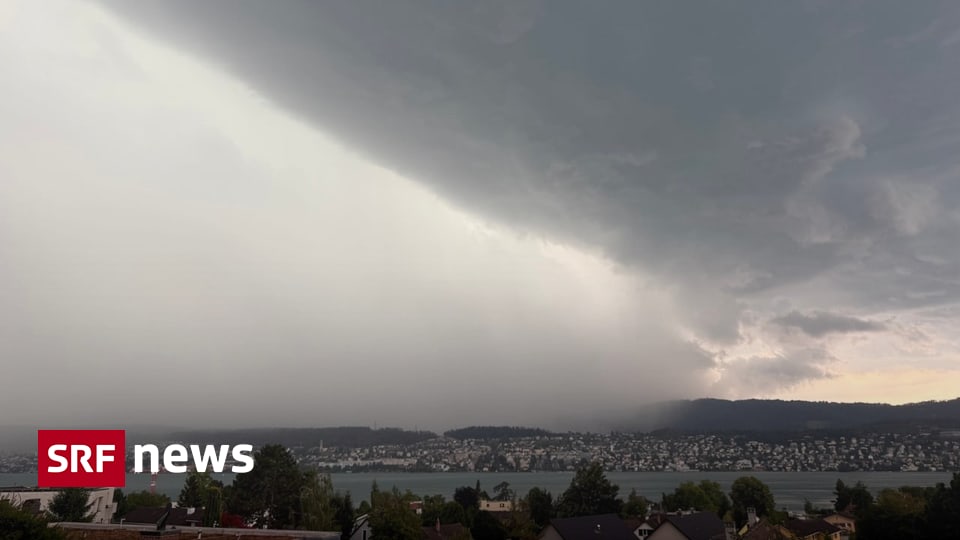
The decision to restrict open flames comes as Switzerland navigates a complex meteorological period characterized by a lingering heatwave, which has increased the desiccation of forest floors and grasslands. While the heat has dominated the headlines, meteorologists are also tracking the potential for severe convective storms. According to MeteoSwiss, the national weather service, the high temperatures create significant atmospheric instability, raising the risk of sudden, intense thunderstorms accompanied by lightning strikes, hail, and damaging wind gusts. These conditions pose a dual threat: the extreme heat dries out vegetation, while subsequent lightning strikes provide a high-probability ignition source for wildfires.
Regional Fire Bans and Safety Protocols
The bans in Glarus, Uri, St. Gallen, and Zurich apply to various activities that could spark a blaze. This includes the use of charcoal grills in forest areas, the burning of garden waste, and the setting of campfires. In many jurisdictions, the ban extends to the launching of sky lanterns and the use of fireworks, which are frequently prohibited during high-danger periods to prevent accidental ignitions. Residents are advised to consult their specific cantonal websites for the exact legal scope of the prohibitions, as local ordinances can vary regarding private versus public land usage.
The Swiss Wildfire Danger Map currently classifies several regions under elevated alert levels. The criteria for these bans are based on a combination of soil moisture content, wind speed, and the presence of flammable biomass. When the danger level reaches a threshold—typically level 3 or 4 on the national scale—cantonal authorities are empowered to move from simple recommendations to legally enforceable bans. Violations of these bans can result in significant fines or legal liability should a fire occur as a result of negligence, as outlined in local cantonal police regulations.
Meteorological Context: Heatwaves and Storm Risks
The current weather pattern is defined by a “heat dome” effect that has trapped warm air over the Alpine region. Meteorologists at MeteoSwiss have noted that while the heat creates dangerous conditions for vulnerable populations—particularly the elderly and those with pre-existing health conditions—the transition toward the weekend will likely bring increased atmospheric moisture. This moisture, interacting with the heat, sets the stage for rapid cloud development and severe storms.
These storms are notoriously difficult to predict with high spatial precision, often forming rapidly over mountainous terrain. The primary concern during these events is the combination of “dry lightning”—where lightning strikes occur without significant accompanying rainfall—and high-velocity wind gusts that can rapidly spread a fire front. Emergency services have been placed on standby across the affected cantons to respond to potential forest fires or infrastructure damage caused by the projected gusty winds and heavy precipitation.
How to Monitor Local Conditions
For residents and travelers, staying updated on the evolving situation is critical. The following resources provide real-time data and official guidance:
- Federal Wildfire Danger Portal: The most authoritative source for current danger levels across Switzerland.
- MeteoSwiss: Provides up-to-the-minute weather warnings, including specific alerts for storms, hail, and wind.
- Cantonal Police and Civil Protection Websites: These portals contain the specific legal texts regarding local fire bans and any additional restrictions on outdoor activities.
As the situation develops, the next major update regarding wildfire danger levels is expected from the Federal Office for the Environment within the next 24 to 48 hours, coinciding with the shift in weather patterns. We encourage our readers to check these official channels frequently, especially those planning outdoor activities in the coming days. Please share this information with friends and family in the affected regions to ensure widespread awareness of these safety mandates.
Related reading