A fire at a nightlife venue in Bangkok has resulted in 30 deaths, prompting an urgent investigation into fire safety compliance and the potential use of flammable materials in public spaces. Authorities are currently examining whether the establishment utilized unauthorized flammable foam for soundproofing and if emergency exits were obstructed at the time of the blaze, a combination of factors that has historically contributed to high casualty rates in similar disasters worldwide.
The incident has intensified scrutiny of building codes and the enforcement of safety regulations in entertainment districts. As investigators from the Royal Thai Police and local fire departments sift through the wreckage, the focus remains on determining whether the venue adhered to the Building Control Act, which mandates specific fire-resistance ratings for materials used in indoor construction. According to the Bangkok Metropolitan Administration (BMA), regular inspections of nightlife venues are required under municipal law, yet the prevalence of flammable acoustic foam—often installed to dampen noise—remains a persistent challenge for fire marshals.
The Role of Flammable Materials in Urban Fires
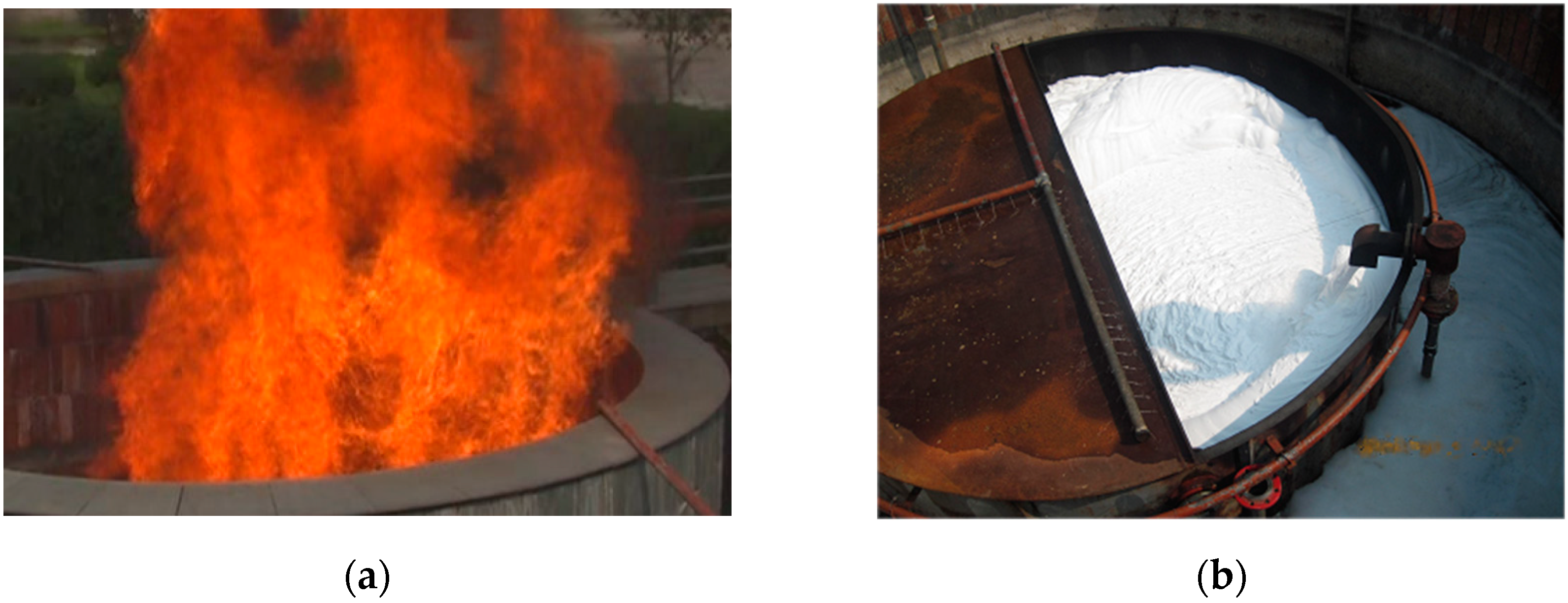
The use of polyurethane foam for acoustic insulation has been identified as a critical factor in the rapid spread of fire in numerous international incidents. This material is highly combustible and, when ignited, releases toxic hydrogen cyanide and carbon monoxide gases, which can incapacitate occupants within seconds. Engineering experts note that while building codes in many jurisdictions, including those outlined by the National Fire Protection Association (NFPA), prohibit the use of non-fire-rated foam in public assembly areas, its low cost and effectiveness at soundproofing often lead to its installation without permits.

In the aftermath of the Bangkok blaze, safety advocates are highlighting the recurring nature of these tragedies. The pattern involves the ignition of these synthetic materials by sparks from electrical faults or unauthorized pyrotechnics, followed by a failure of egress systems. When exits are locked or blocked by furniture and storage, the environment quickly becomes a trap. International safety standards, such as the ISO 13943:2023 fire safety vocabulary, emphasize that the integrity of escape routes is as vital as the flame-retardant properties of interior finishes.
Regulatory Oversight and Enforcement Challenges
The investigation into the Bangkok fire is also examining the venue’s adherence to occupancy limits and business licensing requirements. Under the Thailand Entertainment Place Act, venues are required to undergo annual safety audits to maintain their operating licenses. However, local media reports indicate that enforcement can be inconsistent, particularly in older buildings where structural modifications may have been made without municipal approval.
For international travelers and local patrons, the tragedy underscores the importance of situational awareness in crowded venues. Safety professionals advise checking for visible exit signs and ensuring that the path to the door is clear upon arrival. The failure of these basic protocols is frequently cited in post-incident reports as the primary cause of high mortality. As the investigation progresses, the BMA has announced it will initiate a city-wide review of fire safety protocols for entertainment establishments to prevent further occurrences of such preventable catastrophes.
Legal Proceedings and Next Steps
The legal process following the tragedy is expected to be extensive. Investigators are currently gathering evidence from the scene and interviewing survivors and staff to determine if criminal negligence played a role in the fire’s development. Under Thai law, owners of public venues can be held liable for damages and face criminal charges if it is proven that they knowingly operated a facility with inadequate fire safety measures, such as blocked exits or non-compliant building materials.

The next confirmed stage in this response is the release of the official forensic report by the forensic science division of the Royal Thai Police, which will definitively establish the point of origin and the nature of the materials that fueled the fire. This document is expected to serve as the basis for potential lawsuits and regulatory reforms in the coming months. As we continue to follow this developing story, we encourage our readers to share their thoughts on the balance between urban development and public safety in the comments section below.
Related reading