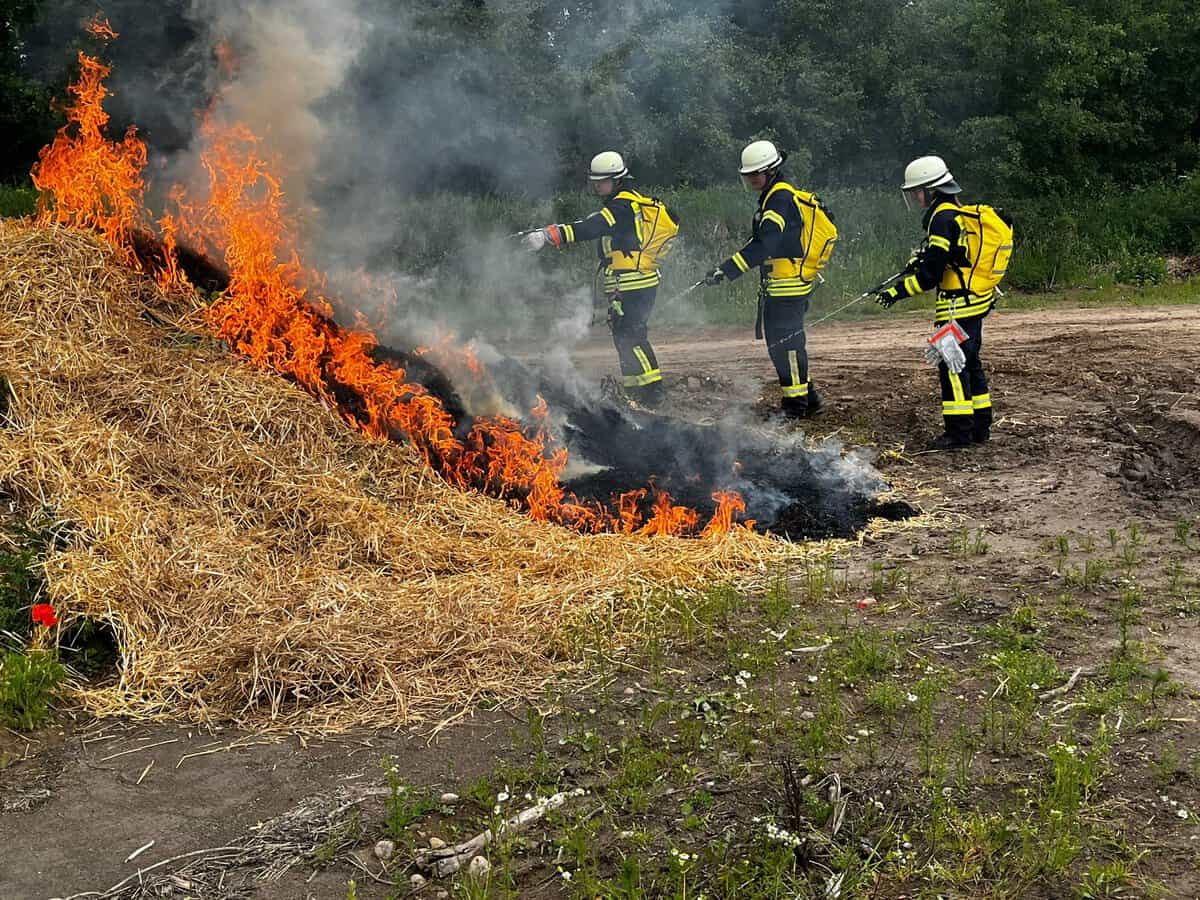
In the evolving landscape of emergency management, the ability of volunteer fire services to maintain operational readiness under pressure remains a cornerstone of community safety. Recent training exercises conducted by the Feuerwehr Bleckede—a volunteer fire department based in Lower Saxony, Germany—have highlighted the complex realities of modern fire suppression, particularly regarding the specialized techniques required for vegetation fire management.
Vegetation fires, often exacerbated by prolonged dry spells and shifting climatic conditions, present unique challenges that differ significantly from structural firefighting. The training conducted by the Bleckede unit underscores the importance of rigorous preparation for these scenarios. However, the unpredictability of emergency services means that even the most structured training curricula must remain fluid enough to accommodate real-time, high-priority incidents.
The Evolution of Vegetation Fire Training
The Ausbildung Vegetationsbrandbekämpfung (Vegetation Firefighting Training) is an essential component of the modern fire service curriculum in Germany. As global temperatures rise, local departments are increasingly focusing on the specific tactics required to contain and extinguish fires in grasslands, forests, and heathlands. These environments require specialized equipment, such as D-hoses, which are lighter and more maneuverable than standard hoses, allowing crews to move quickly across uneven terrain.
For a volunteer department like the one in Bleckede, which serves a region characterized by diverse landscapes, the mastery of these techniques is not merely academic. It involves understanding fire behavior, the impact of wind direction, and the strategic use of water to create firebreaks. The training sessions are designed to simulate the heat and smoke conditions that responders might face, ensuring that volunteers are mentally and physically prepared to handle the intensity of a wildfire event.
The importance of such training is reinforced by national data. According to the Federal Office of Civil Protection and Disaster Assistance (BBK), the frequency of forest and vegetation fires in Germany has shown a notable correlation with extended heatwaves. Local brigades are shifting their operational focus to incorporate proactive vegetation management and rapid-response suppression tactics that prioritize mobility and water efficiency.
Operational Readiness Under Pressure
A notable aspect of the recent training in Bleckede occurred when the exercise was interrupted by an emergency alert regarding a boat accident on the local waterways. This scenario serves as a poignant reminder of the “dual-hatted” nature of volunteer firefighters: they are expected to be masters of multiple disciplines, transitioning from a controlled training environment to a life-critical, real-world incident in a matter of seconds.
Despite the disruption, the participants demonstrated the hallmark of a resilient emergency service: the ability to prioritize. The training protocols were paused to address the immediate threat, ensuring that the primary duty of life-safety was met. Once the situation was stabilized, the focus returned to the training objectives. This adaptability is critical, as it reflects the reality that emergency responders do not operate in a vacuum. The integration of various rescue skills—from water rescue to wildfire suppression—is what defines the modern, multi-functional volunteer fire department.
Key Takeaways for Emergency Preparedness
- Adaptability is Essential: Real-world alerts often coincide with scheduled training, testing the operational flexibility of volunteer units.
- Specialized Equipment: Vegetation firefighting requires distinct tools, such as high-pressure, low-volume hose systems, to preserve water and maximize mobility.
- Cross-Training: The ability to pivot between different types of emergencies—such as water rescue and fire suppression—is vital for rural and semi-rural departments with limited personnel.
- Community Resilience: Regular training exercises ensure that local responders remain proficient, which in turn enhances the overall safety and resilience of the community they serve.
The Role of Volunteerism in Global Emergency Response
The model observed in Bleckede, where community members dedicate significant time to professional-grade training, is a vital component of the emergency response infrastructure across much of Europe and North America. While professional, full-time fire services handle large urban centers, volunteer departments cover vast geographic areas, providing the first line of defense against both small-scale incidents and larger, climate-induced disasters.
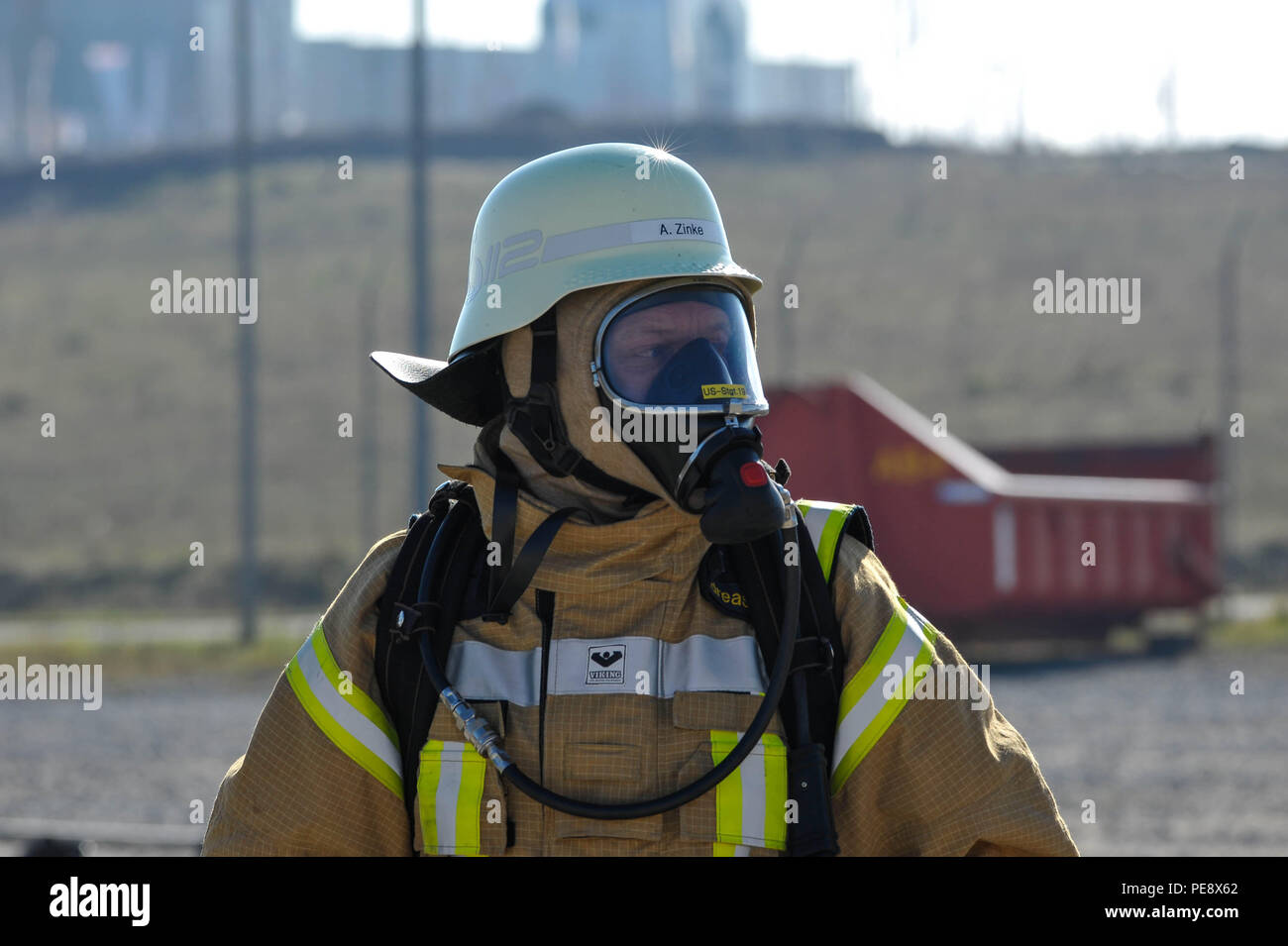
The investment in training programs for vegetation fires is part of a broader shift toward community-led disaster risk reduction. By providing volunteers with the same level of training as professional counterparts, local governments ensure that the quality of emergency care is consistent, regardless of the size of the department. This professionalization of volunteer firefighting is a trend that continues to gain momentum as global climate policies emphasize the need for decentralized, highly responsive local emergency networks.
Future Outlook and Community Engagement
As we look toward the future, the integration of new technologies—such as drones for fire mapping and improved weather monitoring systems—will likely become standard in training programs like those seen in Lower Saxony. These tools offer a way to mitigate risks to responders while improving the precision of firefighting efforts. For departments like the one in Bleckede, the challenge lies in balancing the adoption of these technologies with the fundamental, hands-on training that remains the backbone of their operation.
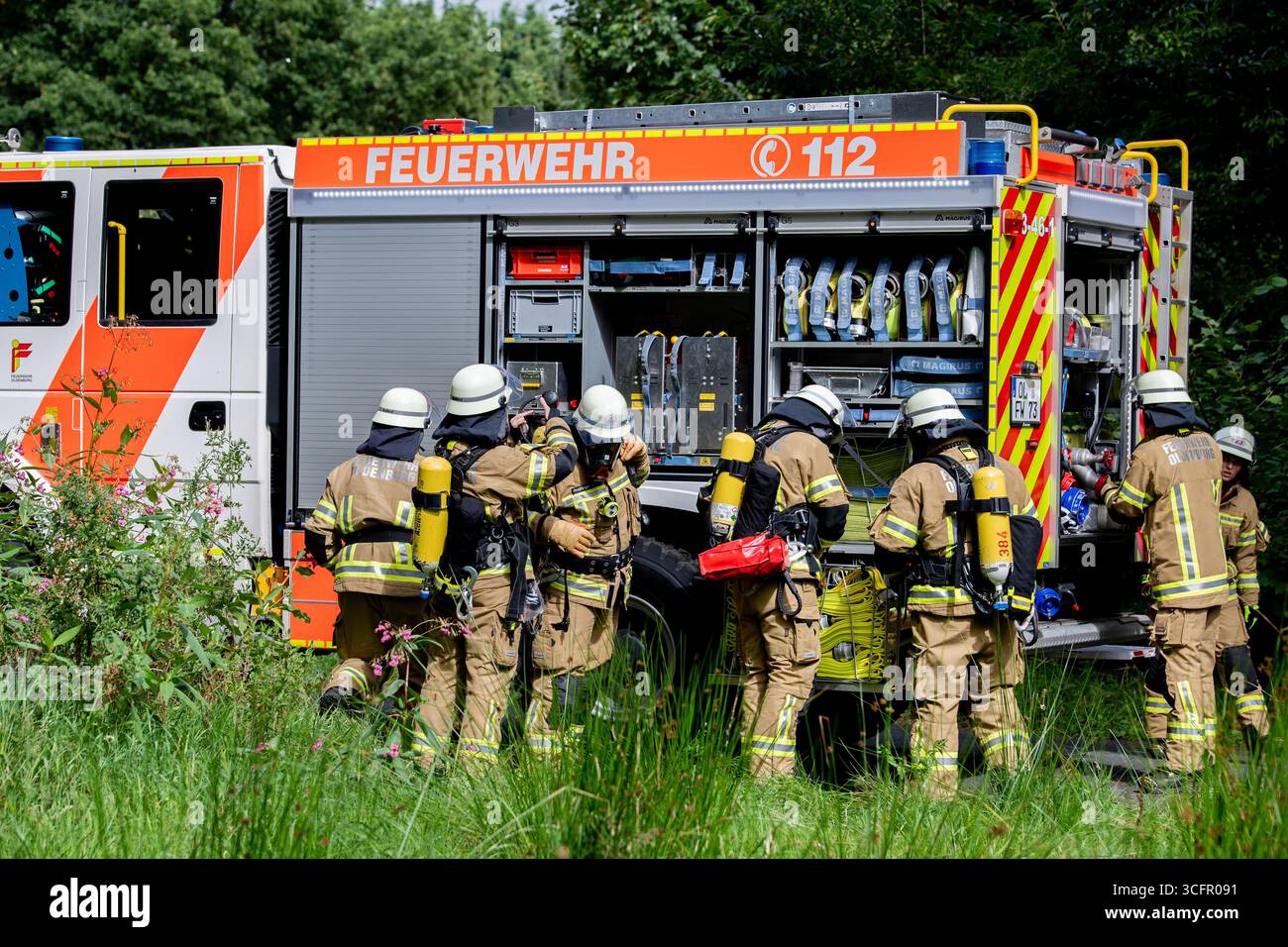
The commitment of these volunteers to continuous learning and their ability to handle the unpredictable nature of emergency response remains a testament to the dedication of local public service. As these departments continue to refine their training for vegetation fires, they contribute to a larger, global effort to build more resilient communities in an era of environmental uncertainty.
The Feuerwehr Bleckede continues to schedule regular training sessions throughout the year to maintain their operational readiness. Residents and interested parties are encouraged to monitor official municipal communications for updates on upcoming public demonstrations or recruitment drives. We invite our readers to share their thoughts on the role of volunteer emergency services in their own communities in the comments section below.
Keep reading