
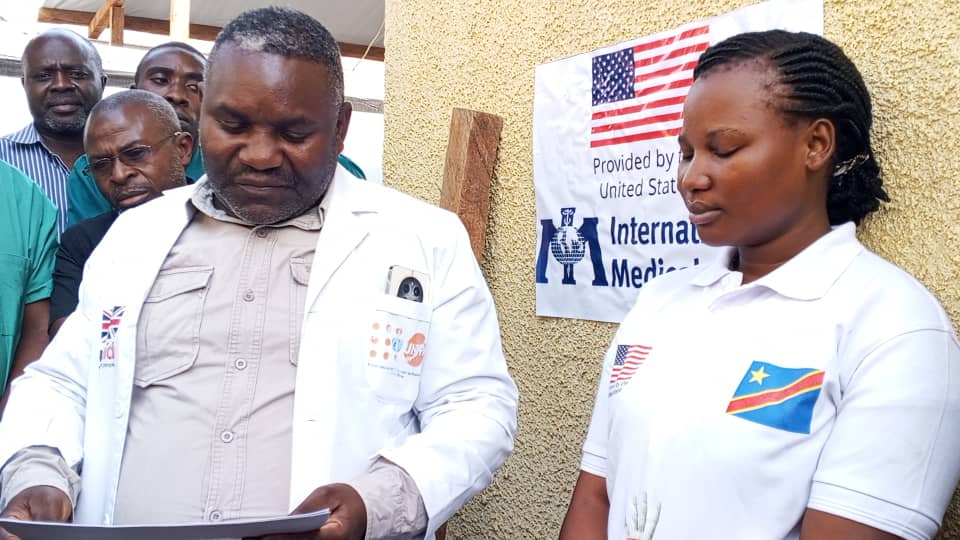
The first patient successfully treated for Ebola virus disease at the Ebola Treatment Center (ETC) in Beni, North Kivu, was discharged after testing negative for the virus, marking a significant milestone in regional containment efforts. Health authorities confirmed the recovery, providing a rare positive outcome in an area frequently challenged by the highly infectious hemorrhagic fever. This development highlights the effectiveness of early diagnostic intervention and specialized supportive care protocols currently deployed in the Democratic Republic of the Congo (DRC).
According to the World Health Organization (WHO), Ebola virus disease is a severe, often fatal illness in humans, characterized by high transmission rates and mortality that can reach 90% in untreated cases. The treatment center in Beni operates as part of a broader surveillance and response network managed by the DRC Ministry of Health and international partners. The discharge of this patient serves as evidence that timely access to medical facilities—where patients receive intravenous fluids, electrolyte balancing, and symptom management—can drastically improve survival rates.
Diagnostic and Treatment Protocols in North Kivu
The recovery process for patients in Beni relies on rigorous isolation and the administration of specialized medical care. Medical staff at the ETC follow strict Centers for Disease Control and Prevention (CDC) guidelines for viral hemorrhagic fevers, ensuring that patients are monitored in controlled environments to prevent community transmission. Once a patient is admitted with suspected symptoms, they undergo laboratory testing to confirm the presence of the virus. Treatment is then tailored to address the patient’s specific physiological needs, as there is no single cure for the virus itself, though therapeutic options have evolved significantly over the last decade.

The success of the treatment center in Beni is largely attributed to the integration of laboratory support and community engagement. By identifying suspected cases early, health teams can initiate care before the disease reaches advanced, more dangerous stages. This strategy is essential in North Kivu, a region where population mobility and security challenges often complicate traditional public health responses. The WHO Regional Office for Africa maintains that sustained investment in local healthcare infrastructure is the most effective defense against future outbreaks.
Challenges in Maintaining Healthcare Infrastructure
While the recovery of an Ebola patient is a positive indicator, health officials warn that the environment remains volatile. The Beni treatment center faces ongoing logistical hurdles, including the need for constant supplies of personal protective equipment (PPE), reliable cold-chain storage for vaccines, and trained medical personnel. Ensuring that these facilities remain operational requires consistent funding and cooperation between local health zones and international NGOs.
Public health experts emphasize that community trust is the cornerstone of these operations. In many instances, outbreaks are exacerbated when residents are hesitant to seek care at treatment centers due to fear or misinformation. The discharge of a recovered patient acts as a tangible demonstration of the center’s utility, potentially encouraging others to report symptoms early. According to the United Nations Office for the Coordination of Humanitarian Affairs (OCHA), community-based surveillance remains the most effective tool in identifying clusters of infection before they escalate into widespread outbreaks.
What Happens Next for Ebola Surveillance
Following the successful discharge, the focus for the Beni health district shifts to contact tracing and ongoing environmental surveillance. Health teams are tasked with monitoring individuals who may have been exposed to the virus to ensure that any secondary infections are identified and treated immediately. This cycle of monitoring, testing, and treatment is the standard operating procedure for maintaining regional health stability.

Residents are encouraged to remain vigilant and adhere to official health advisories. For the latest updates on the epidemiological situation in North Kivu, the public can monitor reports issued by the DRC Ministry of Public Health. As the region continues to navigate the threat of infectious diseases, the collaboration between local healthcare workers and international stakeholders remains the primary mechanism for preventing future fatalities. Readers are encouraged to share this update to help promote awareness regarding the importance of early medical intervention in the fight against Ebola.