Groundbreaking Combined Kidney-Islet Transplant Offers New Hope for Patients with Type 1 Diabetes and Renal Failure
Toulouse, France – In a medical first for France, a team of transplant specialists at the University Hospital of Toulouse (CHU de Toulouse) has successfully performed a simultaneous kidney and islet transplant using organs from a Maastricht 3 donor. This innovative procedure offers a potentially life-changing solution for patients battling both type 1 diabetes and end-stage renal disease, conditions that often require lifelong dialysis and insulin therapy. The complex operation, completed on March 9, 2026, represents a significant advancement in transplantation medicine and opens new avenues for improving the quality of life for a particularly vulnerable patient population.
The patient, who had been managing type 1 diabetes complicated by chronic kidney failure for several years and relying on dialysis, faced significant challenges due to major vascular constraints that made a traditional combined kidney-pancreas transplant unfeasible. The team, led by Dr. Laure Esposito, devised an alternative approach utilizing a kidney from a Maastricht 3 donor alongside pancreatic islets – clusters of insulin-producing cells – to address both conditions simultaneously. This innovative strategy aims to eliminate the need for dialysis and restore the patient’s ability to regulate blood sugar levels, reducing the risk of diabetes-related complications affecting the transplanted kidney.
Understanding the Maastricht 3 Donor
The success of this transplant hinges on the use of a Maastricht 3 donor, a relatively uncommon source of organs. As explained by the CHU de Toulouse in a press release, Maastricht 3 donors are individuals who have died after cardiac arrest following a decision to withdraw life support. This differs from the more common scenario of donation after brain death, where organs are perfused and preserved with blood circulation for a longer period. With Maastricht 3 donors, organs experience a period of warm ischemia – a lack of blood flow – after death, presenting unique logistical and medical challenges for transplantation. The CHU de Toulouse’s achievement marks the first time a Maastricht 3 donor has been successfully utilized for a simultaneous kidney and islet transplant.
The use of Maastricht 3 donors is expanding globally as a means of increasing the availability of organs for transplant. According to a 2019 study published in Transplant International, prolonged-release tacrolimus-based immunosuppression, in combination with sirolimus or mycophenolate mofetil, showed promising results in de novo kidney transplant recipients, with 5-year graft and patient survival rates of 84.0% and 90.8% respectively. The ADHERE study, conducted at the CHU Rangueil in Toulouse, demonstrated the efficacy of this immunosuppressive regimen in maintaining kidney function and minimizing acute rejection.
A Complex Procedure, Coordinated Across Institutions
The complexity of this transplant extended beyond the donor type. The pancreas, harvested from the Maastricht 3 donor, was initially transported to the CHU of Montpellier for specialized processing. There, experts isolated and prepared the crucial islets of Langerhans, the pancreatic cells responsible for insulin production. This meticulous preparation is essential for ensuring the viability and functionality of the transplanted cells. Once ready, the islets were transported to Toulouse, where the surgical team, led by Dr. Esposito, was prepared to proceed.
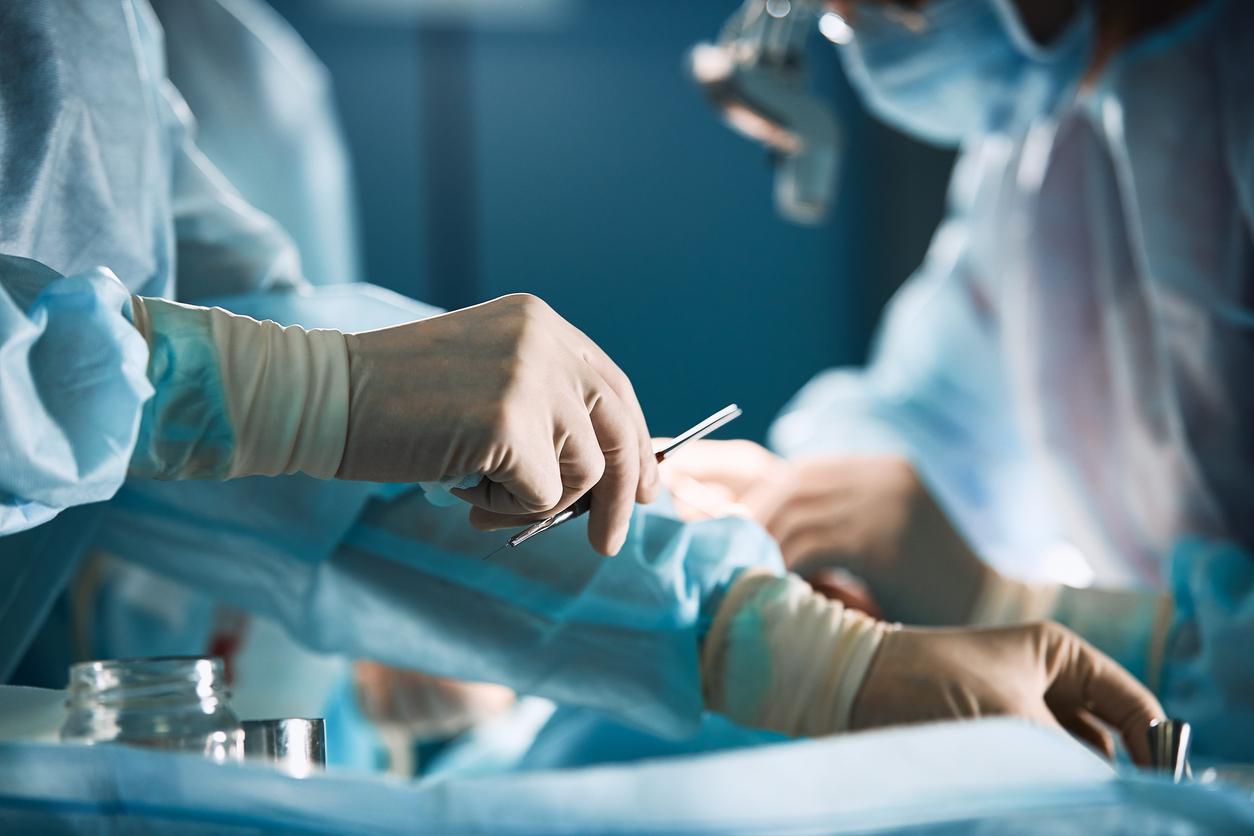
The operation itself involved two distinct procedures performed concurrently. One team focused on implanting the kidney, aiming to restore renal function and eliminate the patient’s dependence on dialysis. Simultaneously, another team carefully injected the isolated islets into the patient’s liver. The liver serves as an ideal site for islet transplantation, providing a natural environment for the cells to engraft and begin producing insulin. This targeted delivery method is designed to improve long-term glycemic control and protect the newly transplanted kidney from the damaging effects of diabetes.
Promising Early Results and Future Implications
Early indications suggest the transplant has been a resounding success. According to the medical team, the patient is no longer reliant on dialysis and is already demonstrating an improved ability to produce insulin, reducing the need for frequent injections and stabilizing blood sugar levels. Dr. Esposito emphasized the potential long-term benefits, stating that islet transplantation offers “perspectives of better patient survival, nephroprotection through glycemic balance and improved quality of life for these patients in the long term.” She added, “Allowing patients to no longer be dialyzed and no longer be diabetic is truly a marvel and a daily satisfaction.”
The successful implementation of this innovative procedure at the CHU de Toulouse marks a significant milestone in the field of transplantation. It demonstrates the feasibility of utilizing Maastricht 3 donors for complex multi-organ transplants and highlights the potential of islet transplantation as a therapeutic option for patients with type 1 diabetes and renal failure. This breakthrough could pave the way for wider adoption of similar procedures, offering hope to countless individuals awaiting life-saving organ transplants.
Key Takeaways
- A simultaneous kidney and islet transplant from a Maastricht 3 donor was successfully performed at the CHU de Toulouse.
- This is the first such transplant in France, offering a new treatment option for patients with type 1 diabetes and renal failure.
- The use of Maastricht 3 donors expands the pool of available organs for transplantation, but presents unique logistical challenges.
- Early results are promising, with the patient no longer requiring dialysis and showing improved insulin production.
The CHU de Toulouse continues to monitor the patient’s progress closely, and further research is planned to optimize the transplantation protocol and assess the long-term outcomes. The team is also exploring the potential of expanding this approach to other patient populations with similar conditions. The next step involves a comprehensive five-year follow-up to assess the durability of the transplant and the long-term impact on the patient’s health.
This groundbreaking achievement underscores the importance of continued investment in transplantation research and the dedication of medical professionals working to improve the lives of patients with chronic and life-threatening illnesses. Share your thoughts on this medical breakthrough in the comments below, and consider sharing this article to raise awareness about the possibilities of innovative transplantation techniques.